Bad Meets Evil

Hip Hop
Contemporary Hip Hop
Alternative Hip Hop
 Viberate Rank: 13711
 Viberate Rank: 13711
 Monthly ListenersFollowers
 Subscribers
 Followers
 Followers
 FansTop Spotify Songs
| Track | 7-Day Streams | |
|---|---|---|
1 | 1.37M | |
2 | 938.96K | |
3 | 188.52K | |
4 | 159.27K | |
5 | 140.94K |
Top YouTube VideosMonthly ListenersFeatured in Playlists| Playlist | Followers | |
|---|---|---|
1 |  This Is Bruno Mars Spotify | 4.35M |
2 |  BEST OF EMINEM Eminem | 2.02M |
3 |  Jock Jams Spotify | 389.77K |
4 |  I Love My Midwest Classics Spotify | 341.82K |
5 |  GYM MODO BESTIA 🔱 Just do it | 341.70K |
Audience| City | Monthly Listeners | |
|---|---|---|
1 |  | 97.42K |
2 |  | 57.75K |
3 | | 56.82K |
4 |  | 53.26K |
5 | | 46.18K |
See full performance history, audience data, playlist activity, rankings, comparisons, and more in Viberate music analytics. Start with a free trial, then continue with a paid plan.
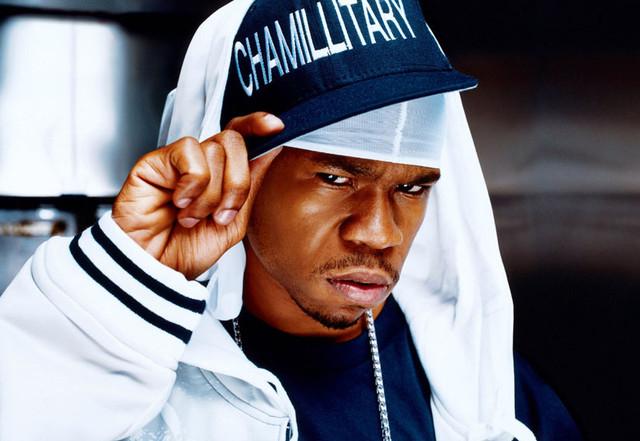
Bad Meets Evil’s Spotify BioA hip-hop duo featuring Marshall Mathers and Ryan Montgomery -- aka Eminem and Royce da 5'9" -- Bad Meets Evil came together in 1998 thanks to the duo’s mutual friend, rapper Proof. After recording a handful of tracks and performing some shows around their native Detroit, Eminem embarked on a solo career. Besides launching his own solo gig, Royce would land on Em’s 1999 effort The Slim Shady LP on a track called “Bad Meets Evil,” but after the album’s massive success, Eminem remained a solo artist and the group was put on hold. Things got worse when business deals between Royce and Eminem’s producer/mentor, Dr. Dre, went sour, and then the group broke up after Royce began feuding with Eminem’s new set of protégés, the group D12. After D12’s Proof was murdered in 2006, the two began talking again. Royce’s group Slaughterhouse would be signed to Em’s Shady label in 2010, and then Bad Meets Evil would reunite for their debut EP, Hell: The Sequel, which was released by Shady in 2011. ~… David Jeffries, Rovi
Viberate is a music analytics platform built for A&Rs, artist managers, labels, booking agents, marketers, and artists.
It helps music professionals track artist growth, analyze audience data, monitor playlist activity, compare artists, follow song performance, and identify opportunities across the music market.
Public artist pages provide a free preview of selected artist data. Paid plans provide access to deeper analytics, historical data, charts, comparisons, playlist tools, exports, alerts, reports, and additional professional features.
Yes. Public Viberate artist pages provide selected artist analytics and music data for free.
Viberate also offers a 7-day free trial of the full platform. A credit card is required to start the trial. The trial includes access to the complete product so users can test deeper artist analytics, historical views, playlist insights, comparisons, charts, exports, alerts, and reporting features before choosing a paid plan.
Viberate provides artist analytics across streaming, playlists, social media, video, radio airplay, songs, and audience markets.
Users can analyze Spotify performance, Spotify and Apple Music playlists, YouTube activity, TikTok and Instagram growth, radio spins, song performance, audience locations, demographics, rankings, and overall artist momentum.
Artist profiles also connect to music charts, similar artists, and comparison tools, helping users benchmark performance and evaluate artists in context.
Viberate updates key artist and track data daily.
For followed artists and tracks, selected data is refreshed multiple times per day. This helps teams monitor playlist changes, streaming movement, audience growth, releases, and campaign performance with more current data.
Update frequency can vary depending on the metric and data source.
Yes. Viberate lets users compare up to five artists side by side across streaming, social media, audience, and engagement metrics.
Users can compare fanbase growth, audience demographics, locations, Spotify performance, social metrics, and other artist data over selected time periods.
Artist comparison can be used for A&R scouting, benchmarking, booking decisions, campaign planning, and evaluating artists with similar audiences or market positions.