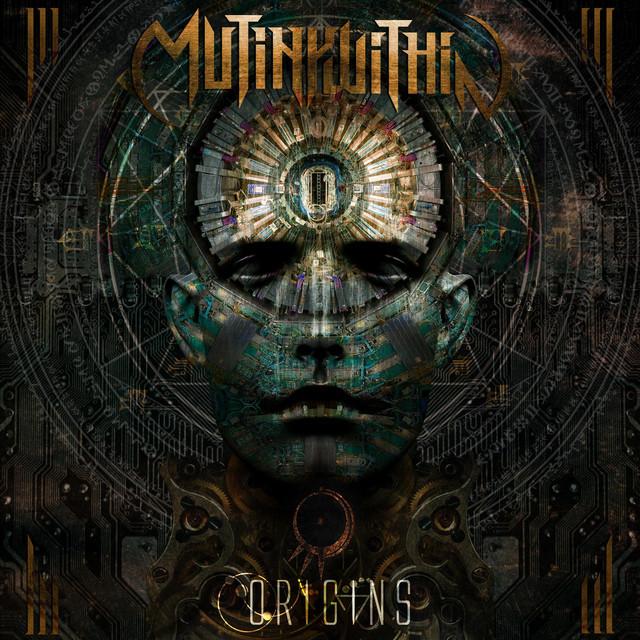
Mutiny Within

Metal
Progressive Metal
Death Metal
Metalcore/Deathcore
 Viberate Rank: 178337
 Viberate Rank: 178337
 Monthly ListenersFollowers
 Subscribers
 Followers
 Followers
 FansTop Spotify Songs
| Track | 7-Day Streams | |
|---|---|---|
1 | 5.09K | |
2 | 971 | |
3 | 945 | |
4 | 390 | |
5 | 362 |
Top YouTube VideosMonthly ListenersFeatured in Playlists| Playlist | Followers | |
|---|---|---|
1 |  WWE ENTRANCES Chester | 177.51K |
2 | WWE Entrances Jack Patterson | 61.60K |
3 |  METAL WORKOUT MUSIC Thomas Skotheim | 36.77K |
4 |  BEST WWE THEME SONGS🔥🔥 DeadliestElliot | 35.47K |
5 | Rockers workout Chris Dial | 21.55K |
Audience| City | Monthly Listeners | |
|---|---|---|
1 |  | 277 |
2 |  | 254 |
3 |  | 184 |
4 |  | 173 |
5 | | 172 |
See full performance history, audience data, playlist activity, rankings, comparisons, and more in Viberate music analytics. Start with a free trial, then continue with a paid plan.
Mutiny Within’s Spotify BioWith a passion for music and a burning desire to succeed, New Jersey’s Mutiny Within draws from all corners of the metal genre to create a dynamic sound built on a foundation of solid songwriting. Originally formed in 2002 as a Children of Bodom cover band by bassist Andrew “AJ” Jacobs, Mutiny Within would go through a number of lineup changes before finally solidifying into the band they would eventually become. Looking for people to match his drive, Jacobs recruited his younger brother, Brandon Jacobs, to play guitar, as well as local drummer Bill Fore and keyboardist Drew Stavola. While searching for a singer, the band had to look considerably further than their own backyard. Reaching across the Atlantic to England, they reached out to singer Chris Clancy based on a performance he posted on YouTube. Deciding to take a chance, Clancy moved to the United States and dedicated himself to the group. The final member, Dan Bage, also came over from England when Clancy invited him to join… the band in the studio to record some solos. A talented guitarist, Bage was a perfect fit and decided to join his schoolmate Clancy on his international adventure. In 2010, Mutiny Within's hard work came to fruition when they released their self-titled debut on Roadrunner Records. ~ Gregory Heaney, Rovi
Viberate is a music analytics platform built for A&Rs, artist managers, labels, booking agents, marketers, and artists.
It helps music professionals track artist growth, analyze audience data, monitor playlist activity, compare artists, follow song performance, and identify opportunities across the music market.
Public artist pages provide a free preview of selected artist data. Paid plans provide access to deeper analytics, historical data, charts, comparisons, playlist tools, exports, alerts, reports, and additional professional features.
Yes. Public Viberate artist pages provide selected artist analytics and music data for free.
Viberate also offers a 7-day free trial of the full platform. A credit card is required to start the trial. The trial includes access to the complete product so users can test deeper artist analytics, historical views, playlist insights, comparisons, charts, exports, alerts, and reporting features before choosing a paid plan.
Viberate provides artist analytics across streaming, playlists, social media, video, radio airplay, songs, and audience markets.
Users can analyze Spotify performance, Spotify and Apple Music playlists, YouTube activity, TikTok and Instagram growth, radio spins, song performance, audience locations, demographics, rankings, and overall artist momentum.
Artist profiles also connect to music charts, similar artists, and comparison tools, helping users benchmark performance and evaluate artists in context.
Viberate updates key artist and track data daily.
For followed artists and tracks, selected data is refreshed multiple times per day. This helps teams monitor playlist changes, streaming movement, audience growth, releases, and campaign performance with more current data.
Update frequency can vary depending on the metric and data source.
Yes. Viberate lets users compare up to five artists side by side across streaming, social media, audience, and engagement metrics.
Users can compare fanbase growth, audience demographics, locations, Spotify performance, social metrics, and other artist data over selected time periods.
Artist comparison can be used for A&R scouting, benchmarking, booking decisions, campaign planning, and evaluating artists with similar audiences or market positions.