Auguste Franchomme

Classical
Chamber Music
 Viberate Rank: 744247
 Viberate Rank: 744247
 Monthly ListenersFollowers
 Subscribers
 Followers
 Followers
 FansTop Spotify Songs
| Track | 7-Day Streams | |
|---|---|---|
1 | 252 | |
2 | 148 | |
3 | 67 | |
4 | 61 | |
5 | 50 |
Top YouTube VideosMonthly ListenersFeatured in Playlists| Playlist | Followers | |
|---|---|---|
1 |  Cello Melancholy Classics To Go | 48.89K |
2 |  Sad,very sad, classical music Peer Wijntjes | 12.85K |
3 |  Classical Strings KevinSicat503 | 6.82K |
4 | juli1141 | 6.23K |
5 |  Chamber Music for Self-Renewal synergy555 | 4.21K |
Audience| City | Monthly Listeners | |
|---|---|---|
1 | | 29 |
2 |  | 26 |
3 |  | 25 |
4 |  | 24 |
5 |  | 21 |
See full performance history, audience data, playlist activity, rankings, comparisons, and more in Viberate music analytics. Start with a free trial, then continue with a paid plan.
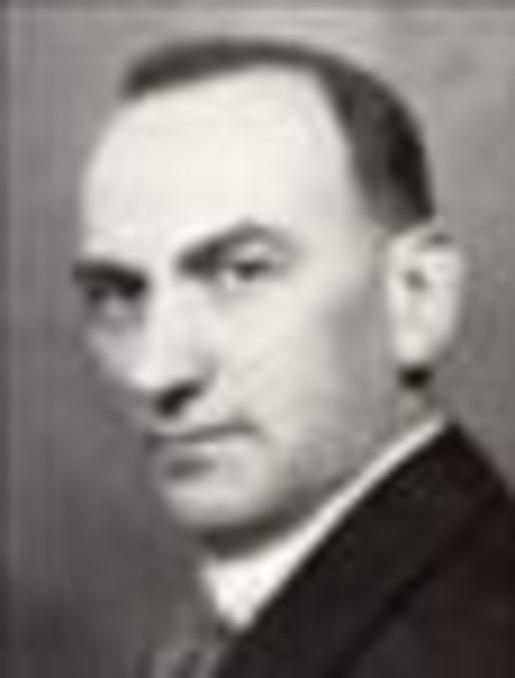
Auguste Franchomme’s Spotify BioAuguste Joseph Franchomme was born in Lille in 1808. He recounted that his early cello studies were with one Maes, a mediocre teacher at the Lille Conservatoire. Nevertheless, he won first prize there in 1821. This distinction allowed him to be promoted to the classes of Pierre Baumann, an excellent musician and teacher.
He considered Baumann to be his main teacher even though he continued his studies after 1825 at the Paris Conservatoire under the well-known cellists Levasseur and Norblin. After only one year at Paris, he won a first prize in cello.
He helped support himself during his student years by joining the orchestra at the Théâtre Ambique-Comique and after graduation was hired as solo cellist at the Opéra and the Théâtre Italien. But he sought more satisfying opportunities than orchestral playing and was soon able to leave orchestral work and devote himself to solo performances, chamber music, and teaching. He was a charter member of the Conservatoire Concerts when that… organization was founded in 1828 and a solo cellist of the Royal Band.
At about that time, Polish pianist and composer Frédéric Chopin established himself in Paris. He and Franchomme formed a close friendship that lasted until Chopin's death. Franchomme assisted Chopin in the composition of the chamber music works Grand Duo Concertante on Theme of Robert le Diable and the Cello Sonata, Op. 65, giving technical advice and editing assistance to the cello parts of these two of Chopin's total of four pieces of chamber music. Franchomme was particularly known for his expressive, rich tone, very fluid left-hand facility, and deeply musical, satisfying interpretations. His playing of singing, cantilena passages was considered very moving.
He became the second professor of cello at the Conservatoire Royale. In 1842, he was approached by the son of the great French cellist Jean-Louis Duport, who had died in 1819. The son proclaimed that "You are Duport's successor and you alone should have this instrument," referring to the famous Stradivari instrument that Duport had owned. This was, however, not an offer of a gift but a sales pitch, for the son offered to sell the cello for 22,000 francs, a very high price in the currency of the time. Franchomme bought the instrument, which is still famous as the Duport Stradivari. When his Conservatoire teacher Norblin died in 1846, Franchomme was appointed to succeed him as first teacher of cello. He founded, along with violinist Jean-Delphin Alard, one of the leading string quartets of the Romantic era.
He composed music for cello and while he was not a great composer, some of his works maintain a position to this day among the specialized literature for the instrument, including Twelve Caprices, Op. 7, which are pretty much standard pieces learned by better students, as well as a concerto and some solo works, in addition to transcriptions of violin sonatas by Beethoven and Mozart. Among his students were Jules Delsart, who succeeded him as first teacher at the Conservatoire after his death in Paris in 1884.
Viberate is a music analytics platform built for A&Rs, artist managers, labels, booking agents, marketers, and artists.
It helps music professionals track artist growth, analyze audience data, monitor playlist activity, compare artists, follow song performance, and identify opportunities across the music market.
Public artist pages provide a free preview of selected artist data. Paid plans provide access to deeper analytics, historical data, charts, comparisons, playlist tools, exports, alerts, reports, and additional professional features.
Yes. Public Viberate artist pages provide selected artist analytics and music data for free.
Viberate also offers a 7-day free trial of the full platform. A credit card is required to start the trial. The trial includes access to the complete product so users can test deeper artist analytics, historical views, playlist insights, comparisons, charts, exports, alerts, and reporting features before choosing a paid plan.
Viberate provides artist analytics across streaming, playlists, social media, video, radio airplay, songs, and audience markets.
Users can analyze Spotify performance, Spotify and Apple Music playlists, YouTube activity, TikTok and Instagram growth, radio spins, song performance, audience locations, demographics, rankings, and overall artist momentum.
Artist profiles also connect to music charts, similar artists, and comparison tools, helping users benchmark performance and evaluate artists in context.
Viberate updates key artist and track data daily.
For followed artists and tracks, selected data is refreshed multiple times per day. This helps teams monitor playlist changes, streaming movement, audience growth, releases, and campaign performance with more current data.
Update frequency can vary depending on the metric and data source.
Yes. Viberate lets users compare up to five artists side by side across streaming, social media, audience, and engagement metrics.
Users can compare fanbase growth, audience demographics, locations, Spotify performance, social metrics, and other artist data over selected time periods.
Artist comparison can be used for A&R scouting, benchmarking, booking decisions, campaign planning, and evaluating artists with similar audiences or market positions.