Audio Karate

Punk
Pop Punk
Skate Punk
Alternative Rock
 Viberate Rank: 245375
 Viberate Rank: 245375
 Monthly ListenersFollowers
 Subscribers
 Followers
 Followers
 FansTop Spotify Songs
| Track | 7-Day Streams | |
|---|---|---|
1 | 1.99K | |
2 | 535 | |
3 | 485 | |
4 | 428 | |
5 | 251 |
Top YouTube VideosMonthly ListenersFeatured in Playlists| Playlist | Followers | |
|---|---|---|
1 | POPPUNK Kevin McLaughlin | 8.53K |
2 |  College Rock Lukas Müller | 6.48K |
3 | Teenage Dirtbag Zsolt Hornyák | 5.51K |
4 | Sad Boii Hour linksgroupie | 5.08K |
5 |  Punk Rock Radio Nick Worthington | 4.83K |
Audience| City | Monthly Listeners | |
|---|---|---|
1 | | 209 |
2 | | 131 |
3 | | 92 |
4 |  | 84 |
5 | | 79 |
See full performance history, audience data, playlist activity, rankings, comparisons, and more in Viberate music analytics. Start with a free trial, then continue with a paid plan.
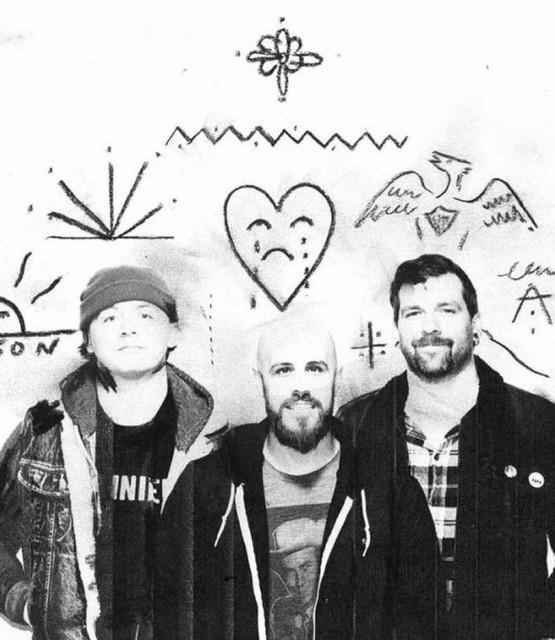
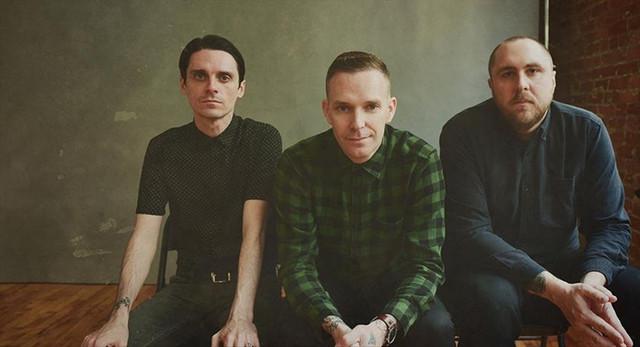
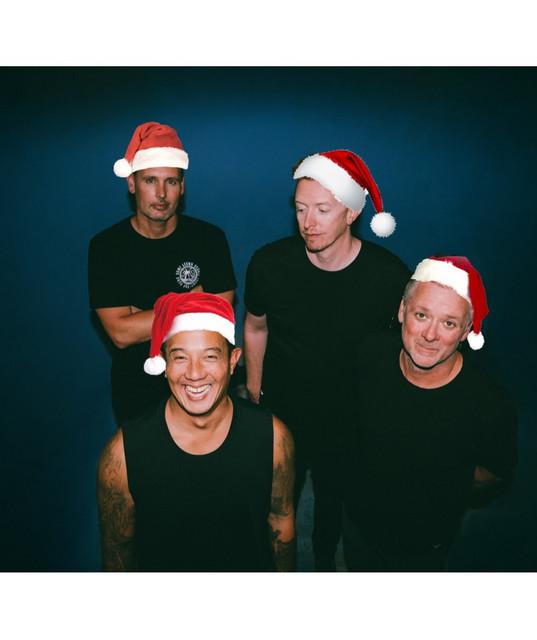
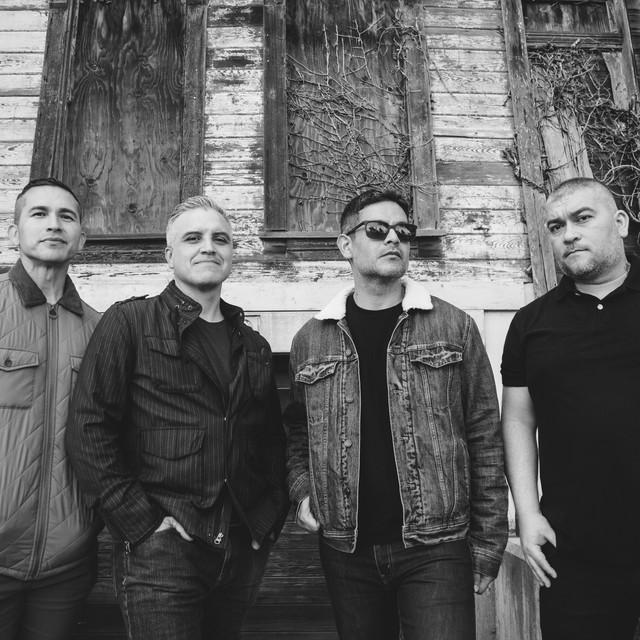
Audio Karate’s Spotify BioAudio Karate comprised childhood friends from Rosemead, CA: vocalist/guitarist Art Barrios, bassist/vocalist Justo Gonzalez, drummer Gabriel Camacho and guitarist Jason Camacho (those last two being cousins). They all bonded over a shared love of both '80s skatepunk and '70s metal, and in May 2002, released their debut of furiously catchy SoCal pop-punk via Kung Fu Records titled Space Camp. Tour dates with acts like the Ataris, Tsunami Bomb and the Vandals followed, as did a stretch on the 2004 Warped Tour. Audio Karate's Warped appearance was well timed, coinciding with the June release of their matured (and very well-received) follow-up, Lady Melody, which was produced by Bill Stevenson (Descendents, ALL, etc). More touring was completed before the guys announced at year's end that they would be taking a "vacation" for an undisclosed amount of time. Audio Karate resurfaced in the spring of 2006 with the notice that they were working on a new album, in addition to writing the score… and soundtrack -- music much different than their past efforts -- for the Spanish language independent film, Maquillaje. In the meantime, Jason Camacho had also opened his own studio Lady Melody, named after the band's 2004 album. ~ Corey Apar, Rovi
Viberate is a music analytics platform built for A&Rs, artist managers, labels, booking agents, marketers, and artists.
It helps music professionals track artist growth, analyze audience data, monitor playlist activity, compare artists, follow song performance, and identify opportunities across the music market.
Public artist pages provide a free preview of selected artist data. Paid plans provide access to deeper analytics, historical data, charts, comparisons, playlist tools, exports, alerts, reports, and additional professional features.
Yes. Public Viberate artist pages provide selected artist analytics and music data for free.
Viberate also offers a 7-day free trial of the full platform. A credit card is required to start the trial. The trial includes access to the complete product so users can test deeper artist analytics, historical views, playlist insights, comparisons, charts, exports, alerts, and reporting features before choosing a paid plan.
Viberate provides artist analytics across streaming, playlists, social media, video, radio airplay, songs, and audience markets.
Users can analyze Spotify performance, Spotify and Apple Music playlists, YouTube activity, TikTok and Instagram growth, radio spins, song performance, audience locations, demographics, rankings, and overall artist momentum.
Artist profiles also connect to music charts, similar artists, and comparison tools, helping users benchmark performance and evaluate artists in context.
Viberate updates key artist and track data daily.
For followed artists and tracks, selected data is refreshed multiple times per day. This helps teams monitor playlist changes, streaming movement, audience growth, releases, and campaign performance with more current data.
Update frequency can vary depending on the metric and data source.
Yes. Viberate lets users compare up to five artists side by side across streaming, social media, audience, and engagement metrics.
Users can compare fanbase growth, audience demographics, locations, Spotify performance, social metrics, and other artist data over selected time periods.
Artist comparison can be used for A&R scouting, benchmarking, booking decisions, campaign planning, and evaluating artists with similar audiences or market positions.