Attack in Black

Rock
Indie Rock
Folk Rock
 Viberate Rank: 308892
 Viberate Rank: 308892
 Monthly ListenersFollowers
 Subscribers
 Followers
 Followers
 FansTop Spotify Songs
| Track | 7-Day Streams | |
|---|---|---|
1 | 668 | |
2 | 297 | |
3 | 236 | |
4 | 210 | |
5 | 194 |
Top YouTube Videos| Video | 7-Day Views | |
|---|---|---|
1 | 23 | |
2 | 13 | |
3 | 9 |
Monthly ListenersFeatured in Playlists| Playlist | Followers | |
|---|---|---|
1 |  Alternative Attack Mega Hits | 13.62K |
2 | chessbae | 7.25K |
3 |  GMHikaru Stream Tunes dan_neil | 4.56K |
4 | Music Specifically kairieffel | 3.59K |
5 |  sidewaves radio Kyle McEvoy | 2.96K |
Audience| City | Monthly Listeners | |
|---|---|---|
1 | | 588 |
2 | | 149 |
3 | | 147 |
4 | | 128 |
5 | | 126 |
See full performance history, audience data, playlist activity, rankings, comparisons, and more in Viberate music analytics. Start with a free trial, then continue with a paid plan.
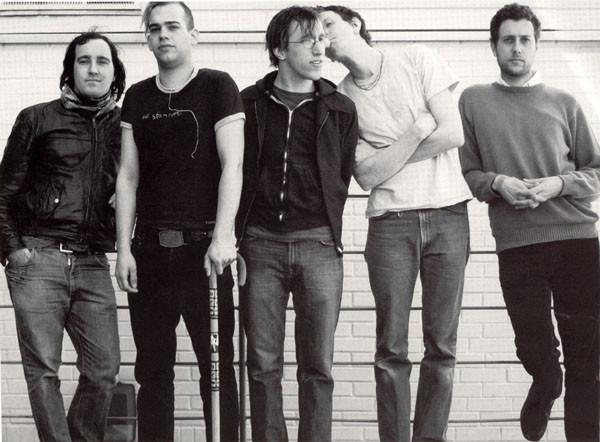
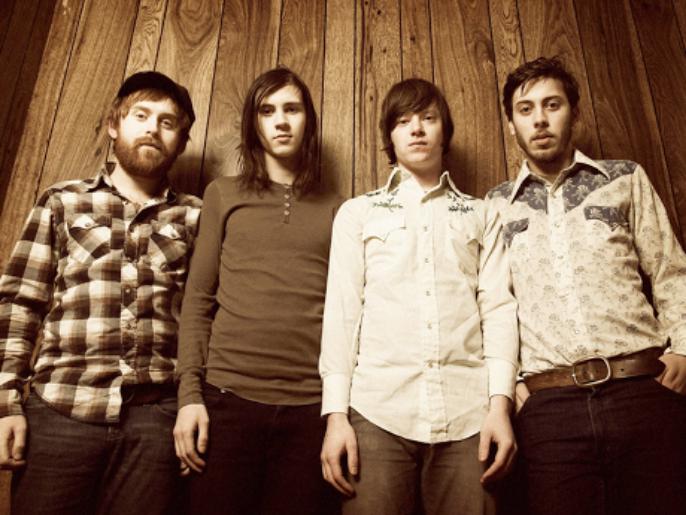
Attack in Black’s Spotify BioCanadian rock outfit Attack in Black was formed in the early 2000s in Welland, Ontario, Canada. Early comparisons of their music were made to aggressive post-hardcore bands like Gainesville, FL's Hot Water Music, but the quartet later integrated more of a folk edge to their punk musings and claimed as much influence from acts like Neil Young as they did Refused. Attack in Black consisted of vocalist/guitarist Daniel Romano, his drummer brother Ian Romano and vocalist/guitarist Spencer Burton; Ian Kehoe replaced original bass player Matt Ellis following the release of a self-titled EP. The band signed to Toronto-based label Dine Alone Records in the spring of 2006, joining a roster that included artists like Moneen, City and Colour, and Bedouin Soundclash. (In fact, some members of Attack in Black served as part of the backing band for Alexisonfire guitarist/singer Dallas Green's side project City and Colour.) The Widows EP and Northern Towns 7" both surfaced before Attack in Black… issued the full-length Marriage via Dine Alone in July 2007, which featured a healthy mix of rock, folk, and yes, some punk. The Curve of the Earth followed that fall solely as a digital release and limited-edition vinyl. ~ Corey Apar, Rovi
Viberate is a music analytics platform built for A&Rs, artist managers, labels, booking agents, marketers, and artists.
It helps music professionals track artist growth, analyze audience data, monitor playlist activity, compare artists, follow song performance, and identify opportunities across the music market.
Public artist pages provide a free preview of selected artist data. Paid plans provide access to deeper analytics, historical data, charts, comparisons, playlist tools, exports, alerts, reports, and additional professional features.
Yes. Public Viberate artist pages provide selected artist analytics and music data for free.
Viberate also offers a 7-day free trial of the full platform. A credit card is required to start the trial. The trial includes access to the complete product so users can test deeper artist analytics, historical views, playlist insights, comparisons, charts, exports, alerts, and reporting features before choosing a paid plan.
Viberate provides artist analytics across streaming, playlists, social media, video, radio airplay, songs, and audience markets.
Users can analyze Spotify performance, Spotify and Apple Music playlists, YouTube activity, TikTok and Instagram growth, radio spins, song performance, audience locations, demographics, rankings, and overall artist momentum.
Artist profiles also connect to music charts, similar artists, and comparison tools, helping users benchmark performance and evaluate artists in context.
Viberate updates key artist and track data daily.
For followed artists and tracks, selected data is refreshed multiple times per day. This helps teams monitor playlist changes, streaming movement, audience growth, releases, and campaign performance with more current data.
Update frequency can vary depending on the metric and data source.
Yes. Viberate lets users compare up to five artists side by side across streaming, social media, audience, and engagement metrics.
Users can compare fanbase growth, audience demographics, locations, Spotify performance, social metrics, and other artist data over selected time periods.
Artist comparison can be used for A&R scouting, benchmarking, booking decisions, campaign planning, and evaluating artists with similar audiences or market positions.