Athena

Punk
Ska Punk
Arabic Pop
 Viberate Rank: 18755
 Viberate Rank: 18755
 Monthly ListenersFollowers
 Subscribers
 Followers
 Followers
 FansTop Spotify Songs
| Track | 7-Day Streams | |
|---|---|---|
1 | 105.83K | |
2 | 84.26K | |
3 | 80.05K | |
4 | 75.00K | |
5 | 66.22K |
Top YouTube Videos| Video | 7-Day Views | |
|---|---|---|
1 | 27.62K | |
2 | 26.97K | |
3 | 20.05K | |
4 | 16.09K | |
5 | 9.36K |
Monthly ListenersFeatured in Playlists| Playlist | Followers | |
|---|---|---|
1 |  Türkçe 90'lar Spotify | 753.25K |
2 |  Mutlu Türkçe Şarkılar Spotify | 715.81K |
3 |  ICON Türkiye Spotify | 476.51K |
4 |  Duş Şarkıları Spotify | 375.83K |
5 |  Anadolu Rock Spotify | 328.63K |
Audience| City | Monthly Listeners | |
|---|---|---|
1 | | 336.55K |
2 | | 141.11K |
3 | | 91.65K |
4 | | 49.89K |
5 | | 29.96K |
See full performance history, audience data, playlist activity, rankings, comparisons, and more in Viberate music analytics. Start with a free trial, then continue with a paid plan.
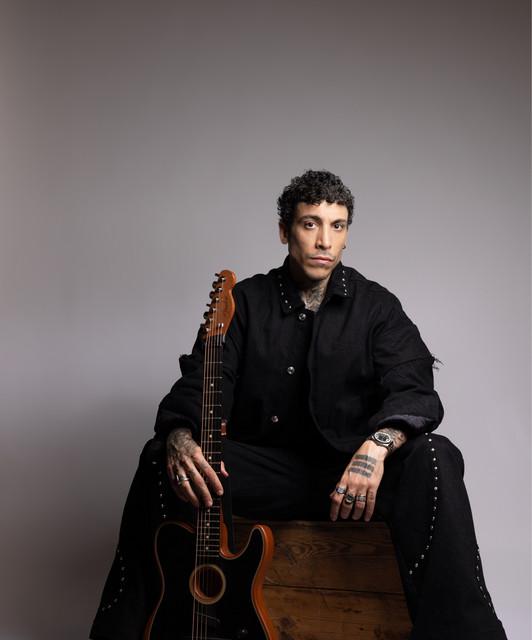
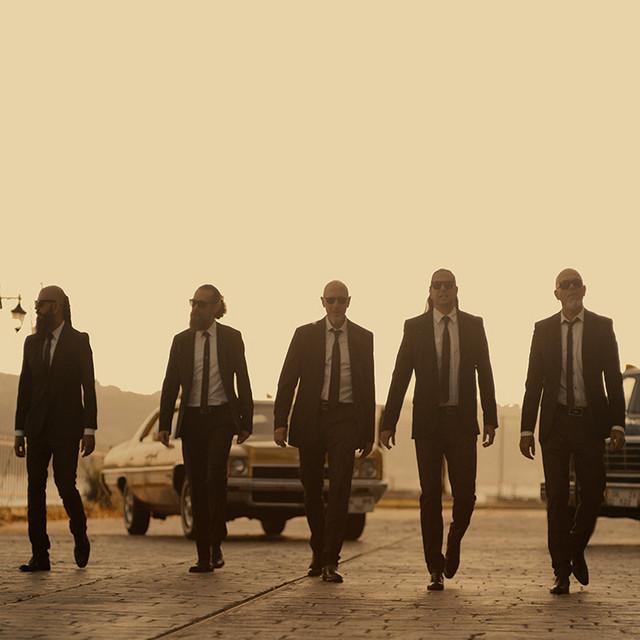
Athena’s Spotify BioInternationally acclaimed Turkish rock band Athena, quickly became one of the best-selling rock bands in the country. Strong adaptations of Turkish folk songs, good working knowledge of their instruments and their strong bond with sports games added up to great songs and their quick rise was inevitable. Athena's origins date back to 1987. Founding brothers Gokhan and Hakan Ozoguz were already blown away by the likes of Metallica, Slayer, D.R.I, S.O.D, Nuclear Assult and Megadeth. Recording demos and playing small local venues, they ended up releasing a thrash album in 1993. However, nobody including the band, consider ‘One Last Breath’ Athena's debut album. Starting in 1994, the group played weekly club performances which inreturn led them to tailor their musical style. As their debut ska album was very new for the Turkish audience, they had difficulty finding a label to release it. However, when “Holigan” hit the streets in 1998, the album was hot and the single of the same name was… an instant hit. Reaching the football stadiums, "Holigan" was sung by hundreds of thousands of people. The rest of the album included covers with original lyrics, rearrangements of some Turkish folk tunes, and original songs. Athena hit the road after the release of “Holigan”, playing various cities in Turkey, and they even opened for the Rolling Stones in Istanbul.
The next album “Tam Zamani Simdi” came in 2000. Following in the footsteps of their debut, the album contained a number of crowd-pleasers. "Her Sey Guzel Olacak," "Yasamak Var Ya," and "Ask Mesk Yok" were some of the high points of the album. With Tam Zamani Simdi, Athena were also brought to the attention of the infamous German festival Popkomm. After playing the festival alongside the Beastie Boys, they were called to Germany for a three-gig mini-tour, during which famous German ska band the Fritz opened for them. Also in 2001, Pork Pie Records included Athena on their World of Ska compilation album with "Devam...Bosver," from their debut.
Things were happening quite fast for Athena, and the Turkish National Basketball Team requested the group write a song for them. The song, "12 Dev Adam" (meaning "12 Giant Men"), was played a couple of times during every group game and also in the play-offs, and the Turkish team came in second that year; the European press mentioned the song quite a bit, praising it in helping to fire up the team and encourage them to play better. The song was included in a later release of “Tam Zamani Simdi”.
Athena released their third album, “Her Sey Yolunda”, in 2002. Although the band confessed that it was their most difficult album to write, the reviews were great. Lead single "Opucuk" was another hit for the band, and along with "Beyoglu," it found a place in the Asian Ska Compilation. They also took part in the 2003 artists' movement against the American war in Iraq, and continued to play local gigs and festivals like H2000 and Rock'n Coke.
In 2004, they were asked to represent Turkey in the Eurovision Song Contest. Accepting the offer, they wrote three songs which were then televoted by people: "For Real" was chosen to enter the contest. Athena came in fourth at Eurovision 2004. The maxi-single For Real was released in Turkey, Greece, and Germany.
Their fourth album, “Us”, was released in Turkey in 2004. Even the lead single, "Durmaz Insan Hayvan Olunca," had critical lyrics in which the band strayed away from their happy sound. The album also contained the three songs written for the Eurovision Song Contest. Athena toured Turkey and Germany that year. They also visited Holland and Russia for summer festivals. Even though the band was busy playing around the world, they recorded a new album.
The self-titled Athena was released in 2005 by Pasaj Music. As Turkish rock was becoming a bigger and bigger part of the mainstream media, and a lot of talented bands were emerging, Athena found a way to update their sound. Their self-titled album pleased die-hard fans and also attracted a new generation of young followers. A tour of Turkey followed the release of the album, and at the time their single, “Tam Zamani Simdi” was included in Electronic Arts Fifa 2006 video game.
In 2006, Athena released the ep “ IT ” featuring the cover of Nirvana's "Breed" retitled "Kopek”. The band released an album for football team Fenerbahce's 100th Anniversary Celebration in 2007. Also that same year, Pork Pie released a new three-CD ska compilation named United Colors of Ska and Athena were again included. After a gig with Exploited in Istanbul, Gokhan and Hakan decided to take a break and move to London. Athena played the Popkomm Festival (that year in Berlin rather than Cologne) once more in 2008 together with Mogollar and MFÖ.
In 2010 Athena had a huge comeback with a new album called “Pis”. “Serseri Mayin” and “Arsiz Gonul” became instant hits and they hit the road again right after releasing the album, with sponsorship of Vodafone. They played in 12 university festivals and 5 summer concerts with them during May - June and continued playing many gigs later that year.
In 2011 they became the campaign face of 3 different international brands Casio G Shock, Levi’s and Coca Cola. Athena covered Frank Sinatra’s “My Way” for Coca Cola’s new campaign. The song was titled “Ben Boyleyim” and it has a unique place in the band’s discography. They played at Rock’n Coke Festival that summer singing the song with the crowds.
Athena published the album "ALTUST", which was recorded with producer Mike Nielsen. It was released on 11.11.2014 and that summer they played at Fanta Youth Festival, which includes 16 cities. Their first single “Kafama Gore”, was selected as the song of the new youth campaign by Vodafone FreeZone. Afterwards, the 2nd single “Parcalaniyoruz” was released and in April - May 2015, Athena went to 7 universities with Koc Fest and completed the university and high school festivals season with 22 concerts.
In the first half of 2016, Athena has written a new song “Geblo” for the animation of Bülent Üstün's cult character “Bad Cat Serafettin”. Then came the most controversial video of Athena “Ses Etme”, daily life of a cross-dresser. A remix ep of “Ses Etme” was released afterwards which was mixed by some of Istanbul’s finest djs and producers.
In March 24th 2017; Athena released a new single “Geberiyorum”, a poem by Nazım Hikmet Ran titled “Günler”.
Viberate is a music analytics platform built for A&Rs, artist managers, labels, booking agents, marketers, and artists.
It helps music professionals track artist growth, analyze audience data, monitor playlist activity, compare artists, follow song performance, and identify opportunities across the music market.
Public artist pages provide a free preview of selected artist data. Paid plans provide access to deeper analytics, historical data, charts, comparisons, playlist tools, exports, alerts, reports, and additional professional features.
Yes. Public Viberate artist pages provide selected artist analytics and music data for free.
Viberate also offers a 7-day free trial of the full platform. A credit card is required to start the trial. The trial includes access to the complete product so users can test deeper artist analytics, historical views, playlist insights, comparisons, charts, exports, alerts, and reporting features before choosing a paid plan.
Viberate provides artist analytics across streaming, playlists, social media, video, radio airplay, songs, and audience markets.
Users can analyze Spotify performance, Spotify and Apple Music playlists, YouTube activity, TikTok and Instagram growth, radio spins, song performance, audience locations, demographics, rankings, and overall artist momentum.
Artist profiles also connect to music charts, similar artists, and comparison tools, helping users benchmark performance and evaluate artists in context.
Viberate updates key artist and track data daily.
For followed artists and tracks, selected data is refreshed multiple times per day. This helps teams monitor playlist changes, streaming movement, audience growth, releases, and campaign performance with more current data.
Update frequency can vary depending on the metric and data source.
Yes. Viberate lets users compare up to five artists side by side across streaming, social media, audience, and engagement metrics.
Users can compare fanbase growth, audience demographics, locations, Spotify performance, social metrics, and other artist data over selected time periods.
Artist comparison can be used for A&R scouting, benchmarking, booking decisions, campaign planning, and evaluating artists with similar audiences or market positions.