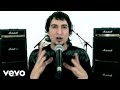
Ogün Sanlısoy

Rock
Alternative Rock
Psychedelic Rock
 Viberate Rank: 29904
 Viberate Rank: 29904
 Monthly ListenersFollowers
 Subscribers
 Followers
 Followers
 FansTop Spotify Songs
| Track | 7-Day Streams | |
|---|---|---|
1 | 246.30K | |
2 | 27.37K | |
3 | 12.51K | |
4 | 8.85K | |
5 | 8.81K |
Top YouTube Videos| Video | 7-Day Views | |
|---|---|---|
1 | 141.97K | |
2 | 9.39K | |
3 | 8.56K | |
4 | 4.35K | |
5 | 3.89K |
Monthly ListenersFeatured in Playlists| Playlist | Followers | |
|---|---|---|
1 |  Türkçe 2000'ler Spotify | 628.02K |
2 |  Yol Şarkıları Spotify | 263.91K |
3 |  Kült Rock Spotify | 103.55K |
4 |  gece gece gelen efkarla dinlemelik sarkilar rüveyda | 97.20K |
5 |  Türkçe Rock En İyi 100 Dip Müzik. | 83.22K |
Audience| City | Monthly Listeners | |
|---|---|---|
1 | | 209.81K |
2 | | 93.25K |
3 | | 52.65K |
4 | | 33.38K |
5 | | 19.23K |
See full performance history, audience data, playlist activity, rankings, comparisons, and more in Viberate music analytics. Start with a free trial, then continue with a paid plan.
Ogün Sanlısoy’s Spotify Bio12 Mart 1971 yılında Gölcük’te dünyaya geldi ve küçük yaşlarda müzik ile ilgilenmeye başladı. Mimar Sinan Üniversitesi’nde Endüstri Ürünleri Tasarımı okurken aynı zamanda müzik çalışmalarını yürüten Ogün Sanlısoy, ilk sahne deneyimlerine akustik gitarıyla gerçekleştirdiği performansı ile 89 yılında başladı.
92 yılında Pentagram grubuna katıldı ve aynı yıl çıkan “Trail Blazer” albümünde vokaliyle yer aldı.
95 yılında Pentagram grubundan ayrıldı ve 99 yılında ilk solo albümü “Korkma” , 2004 yılında ikinci solo albümü “O Gün" ve 2006 yılında üçüncü solo albümü “Üç” ü 2011 yılında ”Ben” isimli dördüncü albümünü paylaştı.
2012 yılında Özlem Tekin ile birlikte “Dayanamam” isimli düetin de bulunduğu "Akustik 2012" albümünü yayınladı. 2015 yılında Sen Uyurken" isimli albümünü yayınlandı ve “Sen” isimli parçaya çekilen klibi ile ilk yönetmenlik deneyimini gerçekleştirdi.
2017 yılında Pentagram grubu ile yeniden bir araya gelerek “Pentagram Akustik” albümünü yayınladılar
20. solo kariyer yılı olan… 2019’da "Aslında Gülmek Gerek", “Hep Aklımdasın” ve “Gel Dünyama” adlı şarkılarını yayınladı.
2021 yılında ikinci akustik çalışması olan “Yaşamaya Devam” adlı albümünü çıkaran Ogün Sanlısoy , bir yandan da Pentagram ile çalışmalarına devam ederek 2022 yılında çıkan “Makina Elektrika” adlı albümde yer aldı.
Son olarak 2023 yılının ilk yarısında yeni ekibi ile birlikte, bir süredir beklenen ve ilk EP’si olan “Gel” i yapay zeka ile hazırlanan klipleri ile birlikte paylaştı.
Viberate is a music analytics platform built for A&Rs, artist managers, labels, booking agents, marketers, and artists.
It helps music professionals track artist growth, analyze audience data, monitor playlist activity, compare artists, follow song performance, and identify opportunities across the music market.
Public artist pages provide a free preview of selected artist data. Paid plans provide access to deeper analytics, historical data, charts, comparisons, playlist tools, exports, alerts, reports, and additional professional features.
Yes. Public Viberate artist pages provide selected artist analytics and music data for free.
Viberate also offers a 7-day free trial of the full platform. A credit card is required to start the trial. The trial includes access to the complete product so users can test deeper artist analytics, historical views, playlist insights, comparisons, charts, exports, alerts, and reporting features before choosing a paid plan.
Viberate provides artist analytics across streaming, playlists, social media, video, radio airplay, songs, and audience markets.
Users can analyze Spotify performance, Spotify and Apple Music playlists, YouTube activity, TikTok and Instagram growth, radio spins, song performance, audience locations, demographics, rankings, and overall artist momentum.
Artist profiles also connect to music charts, similar artists, and comparison tools, helping users benchmark performance and evaluate artists in context.
Viberate updates key artist and track data daily.
For followed artists and tracks, selected data is refreshed multiple times per day. This helps teams monitor playlist changes, streaming movement, audience growth, releases, and campaign performance with more current data.
Update frequency can vary depending on the metric and data source.
Yes. Viberate lets users compare up to five artists side by side across streaming, social media, audience, and engagement metrics.
Users can compare fanbase growth, audience demographics, locations, Spotify performance, social metrics, and other artist data over selected time periods.
Artist comparison can be used for A&R scouting, benchmarking, booking decisions, campaign planning, and evaluating artists with similar audiences or market positions.