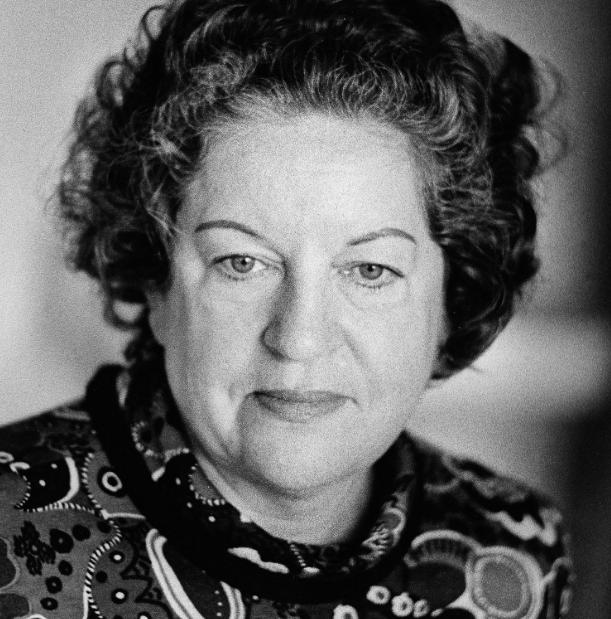
Astrid Varnay

Classical
Opera
 Viberate Rank: 444825
 Viberate Rank: 444825
 Monthly ListenersFollowers
 Subscribers
 Followers
 Followers
 FansTop Spotify Songs
| Track | 7-Day Streams | |
|---|---|---|
1 | 148 | |
2 | 134 | |
3 | 52 | |
4 | 52 | |
5 | 47 |
Top YouTube VideosMonthly ListenersFeatured in Playlists| Playlist | Followers | |
|---|---|---|
1 |  Les plus grands airs d'opéra Erato France | 12.66K |
2 | Nabucco - Gefangenenchor huegen42 | 3.78K |
3 |  Elementary - TV Series Sky Living | 3.55K |
4 |  Alex Ross's The Rest is Noise aidanosu | 2.70K |
5 |  The Best Opera Playlist Ever Emilio José Gómez Rodríguez | 2.10K |
Audience| City | Monthly Listeners | |
|---|---|---|
1 |  | 76 |
2 |  | 28 |
3 |  | 26 |
4 | | 26 |
5 | | 23 |
See full performance history, audience data, playlist activity, rankings, comparisons, and more in Viberate music analytics. Start with a free trial, then continue with a paid plan.
Astrid Varnay’s Spotify BioOne of the most respected Wagnerian sopranos of the mid-twentieth century, Astrid Varnay was born in Stockholm, Sweden, the child of two celebrated Hungarian singers. After spending her infancy in Norway where her father had been engaged as a stage director in Kristiania, she moved with her parents to Buenos Aires and the Teatro Colón; finally, the family traveled on to the United States. After her father died tragically shortly before his 35th birthday, Varnay's mother turned to teaching in order to make ends meet, and Violet (as she was known then) eventually became her most accomplished student.
Astrid Varnay made a surprise Metropolitan Opera debut as Sieglinde on December 6, 1941, when the great Lotte Lehmann took ill and no other substitute was available. Varnay was already under contract for performances in the lighter Wagnerian soprano repertory beginning the following month, but her success in Die Walküre, broadcast nationwide, served notice that hers was a voice destined for… larger roles. Just six days later, another indisposition put her on stage as Brünnhilde, an even greater challenge.
With careful supervision from Met general manager Edward Johnson, Varnay's appearances were rationed to prevent her from becoming a vocal casualty. The rigorous training she had received from her mother assured that a technique was in place to serve her well in the heaviest repertory. Beyond strong and confident singing was a histrionic aptitude that marked her as an exceptional actress. With a trim and agile figure, she moved with an ease and sense of purpose that set her apart from her contemporaries.
With the end of WWII, Varnay traveled to other venues. Her Isolde in London in 1948 prompted critic Ernest Newman to write that hers was one of the best sung and acted interpretations he had encountered in his long memory. When Kirsten Flagstad declined to sing at the Bayreuth Festival about to reopen in 1951, she suggested Varnay instead; the grandsons of Richard Wagner engaged her unseen and unheard. Her stunning performances in the minimalist productions of Wieland Wagner set new standards in opera performance, prompting the director to say, "Why do I need a tree on the stage when I have Astrid Varnay?"
Varnay was to be a mainstay at Bayreuth for 17 seasons. Although she made few studio recordings, live performances reveal a huge instrument of enormous depth (putting many a contralto to shame) with a top register of lacerating thrust and power. Her legendary Götterdämmerung Brünnhilde, recorded under conductor Hans Knappertsbusch in 1951 but not issued due to artist contract obstacles, was finally released to thunderous acclaim in 1999. Varnay's stature as sovereign singer and actress was confirmed in every measure of the exhausting role.
During the early 1950s, Varnay became increasingly aware of Met general manager Rudolf Bing's indifference to Wagner and turned her attention to other theatres in Europe: Maggio Musicale in Florence, Paris, La Scala, Salzburg (where she was an overwhelming Elektra) and Munich.
After three decades of singing the dramatic soprano repertory, Varnay gradually entered the realm of parts customarily sung by mezzo-sopranos. As she entered her mid-sixties, she then moved into cameo roles, brief appearances imbued with all the care and perception brought to her heroic repertory of earlier times.
Varnay's autobiography, written with Donald Arthur, was published in November 2000 under the title 55 Years in Five Acts: My Life in Opera. Her intelligence, perception, good humor, and generosity to fellow artists attest to why she was regarded as the best of colleagues.
Viberate is a music analytics platform built for A&Rs, artist managers, labels, booking agents, marketers, and artists.
It helps music professionals track artist growth, analyze audience data, monitor playlist activity, compare artists, follow song performance, and identify opportunities across the music market.
Public artist pages provide a free preview of selected artist data. Paid plans provide access to deeper analytics, historical data, charts, comparisons, playlist tools, exports, alerts, reports, and additional professional features.
Yes. Public Viberate artist pages provide selected artist analytics and music data for free.
Viberate also offers a 7-day free trial of the full platform. A credit card is required to start the trial. The trial includes access to the complete product so users can test deeper artist analytics, historical views, playlist insights, comparisons, charts, exports, alerts, and reporting features before choosing a paid plan.
Viberate provides artist analytics across streaming, playlists, social media, video, radio airplay, songs, and audience markets.
Users can analyze Spotify performance, Spotify and Apple Music playlists, YouTube activity, TikTok and Instagram growth, radio spins, song performance, audience locations, demographics, rankings, and overall artist momentum.
Artist profiles also connect to music charts, similar artists, and comparison tools, helping users benchmark performance and evaluate artists in context.
Viberate updates key artist and track data daily.
For followed artists and tracks, selected data is refreshed multiple times per day. This helps teams monitor playlist changes, streaming movement, audience growth, releases, and campaign performance with more current data.
Update frequency can vary depending on the metric and data source.
Yes. Viberate lets users compare up to five artists side by side across streaming, social media, audience, and engagement metrics.
Users can compare fanbase growth, audience demographics, locations, Spotify performance, social metrics, and other artist data over selected time periods.
Artist comparison can be used for A&R scouting, benchmarking, booking decisions, campaign planning, and evaluating artists with similar audiences or market positions.