Astral Doors

Metal
Heavy Metal
Power Metal
 Viberate Rank: 145073
 Viberate Rank: 145073
 Monthly ListenersFollowers
 Subscribers
 Followers
 Followers
 FansTop Spotify Songs
| Track | 7-Day Streams | |
|---|---|---|
1 | 3.97K | |
2 | 1.30K | |
3 | 1.18K | |
4 | 1.02K | |
5 | 968 |
Top YouTube VideosMonthly ListenersFeatured in Playlists| Playlist | Followers | |
|---|---|---|
1 |  Power Speed and Metal Chris Entonie | 38.53K |
2 |  Melodic Metal Movement tunesofmetal | 9.87K |
3 |  Hårdrock !! Markus Hårdis Andersson | 8.34K |
4 | Powermetal Espen Tennholm | 7.64K |
5 | Power Metal Clássicos Albino | 7.37K |
Audience| City | Monthly Listeners | |
|---|---|---|
1 |  | 562 |
2 | | 451 |
3 |  | 376 |
4 | | 368 |
5 |  | 342 |
See full performance history, audience data, playlist activity, rankings, comparisons, and more in Viberate music analytics. Start with a free trial, then continue with a paid plan.
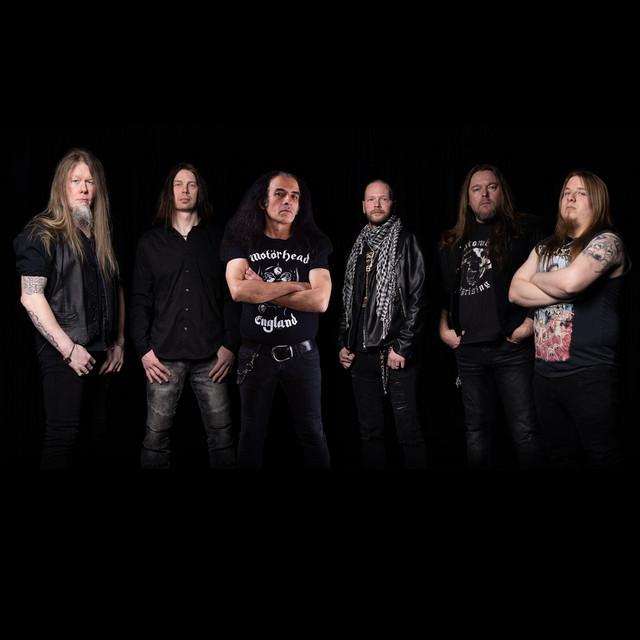
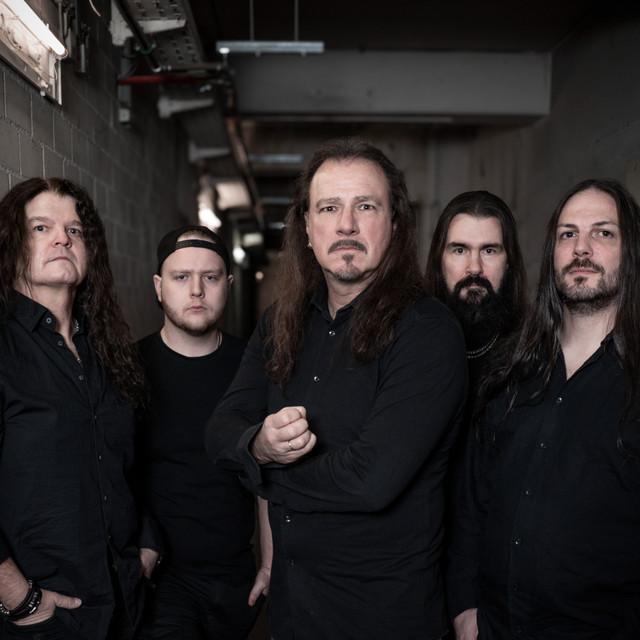
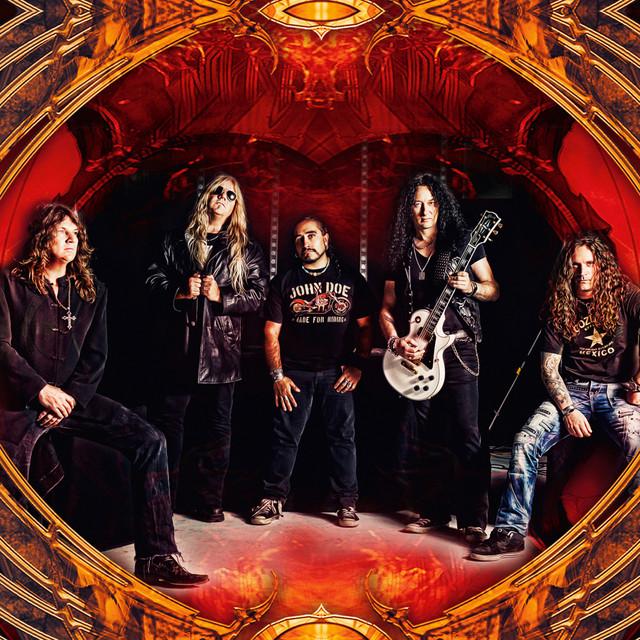
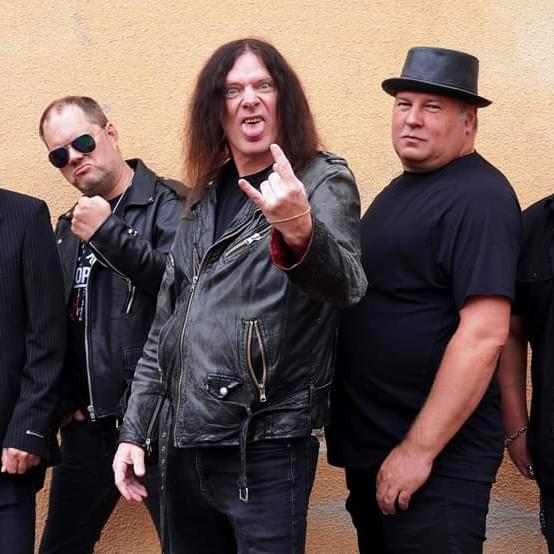
Astral Doors’ Spotify BioSweden's proto power metal sextet Astral Doors offer a sound whose production ideas are rooted in the present, while their crushingly heavy songs emerge from the tropes and schematics of heavy metal history: the pioneering riffs of Black Sabbath, the dark, melodic drama of Ronnie James Dio, the bluesy urgency of Rainbow, and the instrumental flash of Deep Purple. Beginning with 2003's Of the Son and the Father, the Swedes developed a rocking musical persona that offered a logical and exciting continuum in the genre's legacy while also becoming a touring juggernaut. 2010's Requiem of Time upped the power in a bombastic yet nuanced attack led by the arresting wail of frontman Nils Patrik Johansson. There have been lineup changes throughout their history, but two-thirds of the original band remain together.
Astral Doors were formed in 2002 in the Swedish town of Borlänge to honor and evoke the spirit of pioneering heavy metal and hard rock acts like Black Sabbath, Rainbow, and Deep Purple.… Founding members were drummer Johan Lindstedt, guitarist Joachim Nordlund, and singer Nils Patrik Johansson, whose flight-of-fantasy vocals often garnered comparisons to legendary metal frontman Ronnie James Dio. Joined by bassist Martin Haglund and organist Jocke Roberg, Astral Doors quickly rose to acclaim, with their new songs reminiscent of the best of '70s and early-'80s metal. Their debut album, Of the Son and the Father, was released in 2003 and the band toured often, faring well on the festival circuit. By this time, Haglund had moved to the role of second guitarist and Mika Itäranta came in to take over on bass.
The band honed their cosmic metal sound with constant touring and a string of inspired recordings, including second album Evil Is Forever in 2005, Astralism in 2006, New Revelation in 2007, and the increasingly power metal sound of Requiem of Time in 2010. Shortly after the release of Requiem of Time, both Haglund and Itäranta left the band to focus on family life. New bassist Ulf Lagerström joined the band, but no second guitarist took Haglund's place, leaving more room for Roberg's organ to fill the songs. The newly configured lineup offered up sixth album Jerusalem in 2011. In 2014, additional guitarist Mats Gesar joined the band, and amid their regular touring and festival appearances, Astral Doors set to work on material for a new album.
Their seventh album, Black Eyed Children, a riff-heavy return to their more melodic early metal sound, arrived in the spring of 2017. The band shifted their focus a bit for 2019's Worship or Die, their third outing for Metalville, adding the influence of NWOBHM bands such as Saxon and Iron Maiden, and more modern influences like Dream Evil, Firewind, and Hammerfall to their original material, and they somehow managed to come off sounding like no one but themselves. ~ Fred Thomas
Viberate is a music analytics platform built for A&Rs, artist managers, labels, booking agents, marketers, and artists.
It helps music professionals track artist growth, analyze audience data, monitor playlist activity, compare artists, follow song performance, and identify opportunities across the music market.
Public artist pages provide a free preview of selected artist data. Paid plans provide access to deeper analytics, historical data, charts, comparisons, playlist tools, exports, alerts, reports, and additional professional features.
Yes. Public Viberate artist pages provide selected artist analytics and music data for free.
Viberate also offers a 7-day free trial of the full platform. A credit card is required to start the trial. The trial includes access to the complete product so users can test deeper artist analytics, historical views, playlist insights, comparisons, charts, exports, alerts, and reporting features before choosing a paid plan.
Viberate provides artist analytics across streaming, playlists, social media, video, radio airplay, songs, and audience markets.
Users can analyze Spotify performance, Spotify and Apple Music playlists, YouTube activity, TikTok and Instagram growth, radio spins, song performance, audience locations, demographics, rankings, and overall artist momentum.
Artist profiles also connect to music charts, similar artists, and comparison tools, helping users benchmark performance and evaluate artists in context.
Viberate updates key artist and track data daily.
For followed artists and tracks, selected data is refreshed multiple times per day. This helps teams monitor playlist changes, streaming movement, audience growth, releases, and campaign performance with more current data.
Update frequency can vary depending on the metric and data source.
Yes. Viberate lets users compare up to five artists side by side across streaming, social media, audience, and engagement metrics.
Users can compare fanbase growth, audience demographics, locations, Spotify performance, social metrics, and other artist data over selected time periods.
Artist comparison can be used for A&R scouting, benchmarking, booking decisions, campaign planning, and evaluating artists with similar audiences or market positions.