Burning Point

Metal
Power Metal
 Viberate Rank: 209563
 Viberate Rank: 209563
 Monthly ListenersFollowers
 Subscribers
 Followers
 Followers
 FansTop Spotify Songs
| Track | 7-Day Streams | |
|---|---|---|
1 | 1.11K | |
2 | 733 | |
3 | 483 | |
4 | 423 | |
5 | 420 |
Top YouTube VideosMonthly ListenersFeatured in Playlists| Playlist | Followers | |
|---|---|---|
1 |  Power Metal / Speed Metal Subterranean Steel | 6.70K |
2 |  Power Metal/Fantasy Metal Jonathon Holm | 6.24K |
3 |  Classical Metal/Neo classical Metal Roberto Vargas Arriaga | 6.02K |
4 | Melodic Metal & Rock arctic4x | 5.59K |
5 |  Waves of Electric Fire - Metal Blossora | 4.83K |
Audience| City | Monthly Listeners | |
|---|---|---|
1 |  | 168 |
2 |  | 157 |
3 |  | 134 |
4 |  | 124 |
5 | | 116 |
See full performance history, audience data, playlist activity, rankings, comparisons, and more in Viberate music analytics. Start with a free trial, then continue with a paid plan.
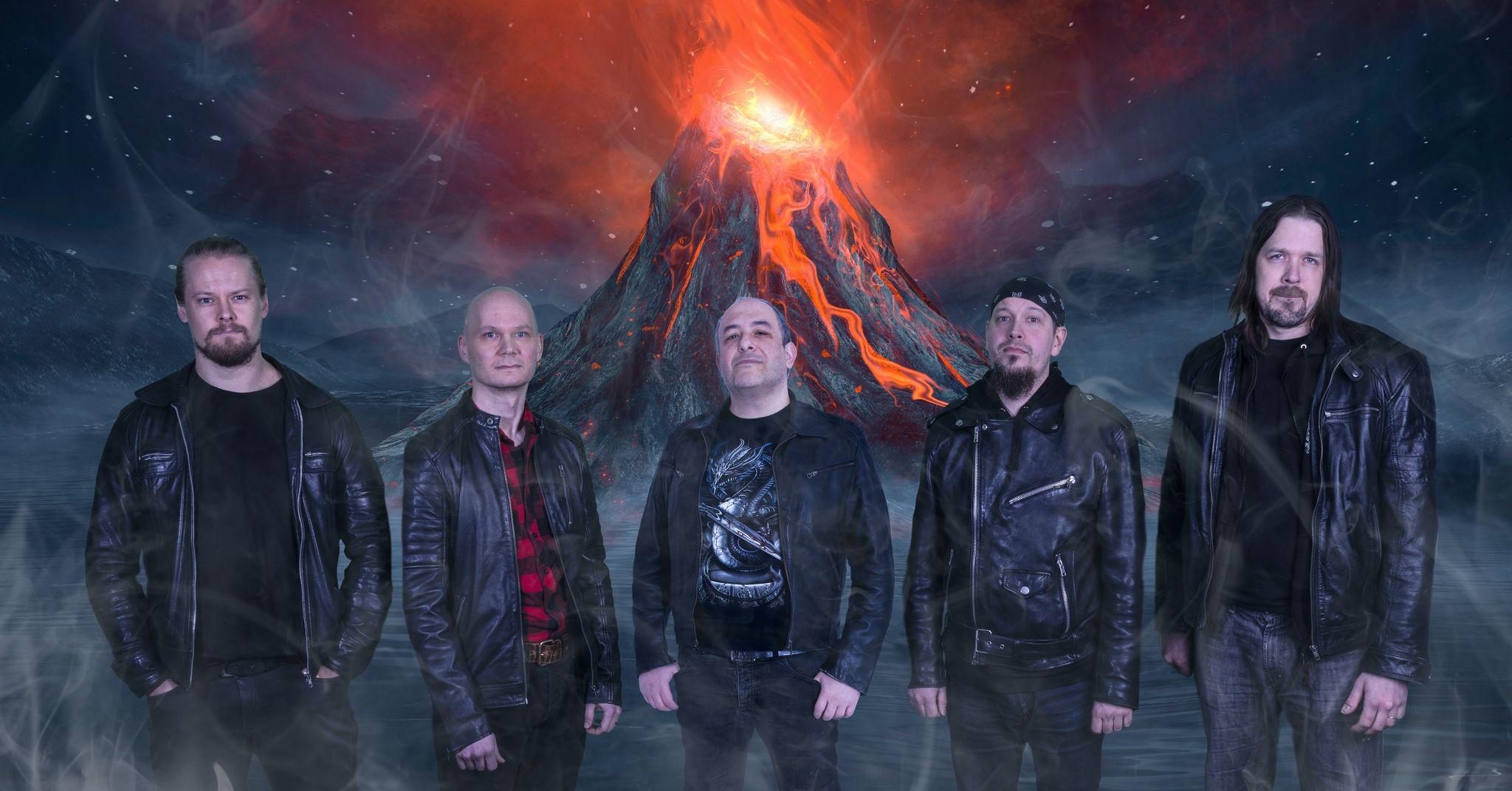
Burning Point’s Spotify BioA melodically charged Finnish power metal unit with some progressive tendencies, Burning Point were founded in 1999 in the city of Oulu. An early promotional recording quickly caught the attention of German label Limp Music, who signed Burning Point in 2000 and released their first two studio albums, Salvation by Fire (2001) and Feeding the Flames (2003). Dissatisfied with the label and awash in legal problems resulting from the contentiousness between the two parties, the band left Limp and released a new single, the aptly named "To Hell and Back," via Poison Arrow Records. The next few years saw some personnel changes and a move to Germany's Metal Heaven Records, with whom they would release their third studio long-player, 2006's Burned Down the Enemy. The LP helped to expand the group's national appeal, and before long Burning Point were making high-profile festival appearances. Arriving in 2009, the well-received Empyre was also issued via Metal Heaven, but disagreements about the… album's promotion resulted in the band ditching the label and moving over to Scarlet Records for 2012's The Ignitor. In 2014 Burning Point inked a deal with German metal powerhouse AFM and issued their eponymous sixth studio LP, followed in 2016 by The Blaze. ~ James Christopher Monger, Rovi
Viberate is a music analytics platform built for A&Rs, artist managers, labels, booking agents, marketers, and artists.
It helps music professionals track artist growth, analyze audience data, monitor playlist activity, compare artists, follow song performance, and identify opportunities across the music market.
Public artist pages provide a free preview of selected artist data. Paid plans provide access to deeper analytics, historical data, charts, comparisons, playlist tools, exports, alerts, reports, and additional professional features.
Yes. Public Viberate artist pages provide selected artist analytics and music data for free.
Viberate also offers a 7-day free trial of the full platform. A credit card is required to start the trial. The trial includes access to the complete product so users can test deeper artist analytics, historical views, playlist insights, comparisons, charts, exports, alerts, and reporting features before choosing a paid plan.
Viberate provides artist analytics across streaming, playlists, social media, video, radio airplay, songs, and audience markets.
Users can analyze Spotify performance, Spotify and Apple Music playlists, YouTube activity, TikTok and Instagram growth, radio spins, song performance, audience locations, demographics, rankings, and overall artist momentum.
Artist profiles also connect to music charts, similar artists, and comparison tools, helping users benchmark performance and evaluate artists in context.
Viberate updates key artist and track data daily.
For followed artists and tracks, selected data is refreshed multiple times per day. This helps teams monitor playlist changes, streaming movement, audience growth, releases, and campaign performance with more current data.
Update frequency can vary depending on the metric and data source.
Yes. Viberate lets users compare up to five artists side by side across streaming, social media, audience, and engagement metrics.
Users can compare fanbase growth, audience demographics, locations, Spotify performance, social metrics, and other artist data over selected time periods.
Artist comparison can be used for A&R scouting, benchmarking, booking decisions, campaign planning, and evaluating artists with similar audiences or market positions.