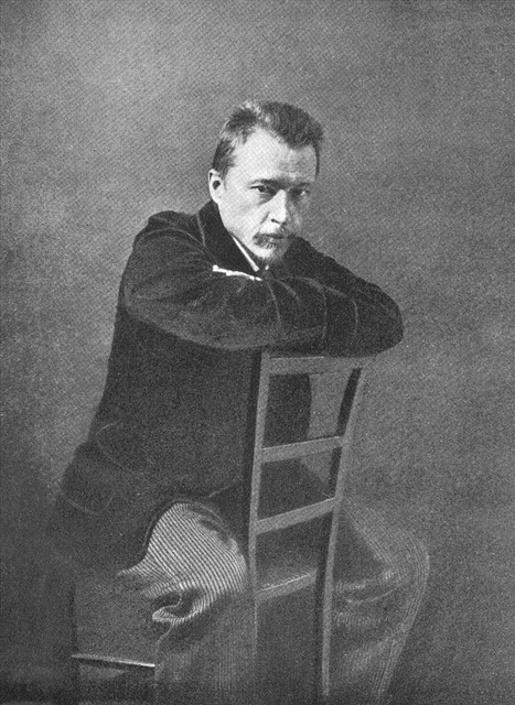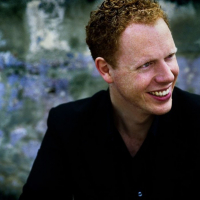
Aribert Reimann

Classical
Opera
 Viberate Rank: 637513
 Viberate Rank: 637513
 Monthly ListenersFollowers
 Subscribers
 Followers
 Followers
 FansTop Spotify SongsTop YouTube VideosMonthly ListenersFeatured in Playlists
| Playlist | Followers | |
|---|---|---|
1 |  NPR Classical NPR Music | 14.43K |
2 |  Classical New Releases Deutsche Grammophon (DG) | 2.68K |
3 |  The Classical Archive Warner Classics | 1.98K |
Audience| City | Monthly Listeners | |
|---|---|---|
1 | | 52 |
2 |  | 38 |
3 |  | 38 |
4 | | 35 |
5 |  | 23 |
See full performance history, audience data, playlist activity, rankings, comparisons, and more in Viberate music analytics. Start with a free trial, then continue with a paid plan.
Aribert Reimann’s Spotify BioAribert Reimann was known equally as a composer and as a vocal accompanist; in the latter sphere, he was especially closely associated with the baritone Dietrich Fischer-Dieskau. The composer of operas and vocal music based on major literary works, not only German ones, he was also an important educator.
Reimann was born in Berlin on March 4, 1936. He grew up amid the desperate circumstances that prevailed toward the end of World War II, and a bleak atmosphere in much of his music has been attributed to his experiences at that time. After the war, at age ten, he performed in a production of Kurt Weill's opera Der Jasager at school. He attended the Musikhochschule Berlin, studying composition with Boris Blacher and Ernst Pepping and piano with Otto Rausch. Reimann financed his education by working as a rehearsal pianist at the Städische Opera (now the Deutsche Oper Berlin). Working with such singers as Fischer-Dieskau and mezzo-soprano Brigitte Fassbaender oriented him toward vocal music… as both a performer and composer. He wrote a ballet, Stoffreste, with a libretto by novelist Günter Grass in 1959.
Reimann turned to opera in the 1960s with Ein Traumspiel (1965), based on August Strindberg's play A Dream Play. His fourth opera, Lear (1978), was based on Shakespeare's play King Lear and starred Fischer-Dieskau in the lead role at its premiere. Reimann often accompanied Fischer-Dieskau in live performances and on recordings. Among his early recordings was one on the Orfeo label, from 1984, on which he and Fischer-Dieskau performed lieder by Carl Friedrich Zelter. In 1990, Reimann and others recorded an album of his own works for the Wergo label. For much of the first part of his career, Reimann was an adherent of serialism, but later, he treated serialist procedures in a more relaxed manner. More than 50 of his works had been recorded as of the mid-2020s, ranging from solo pieces for cello, oboe, and clarinet to orchestral music, opera, and other works in large forms. Reimann joined the faculty at the Akademie der Künste in Berlin in the early '70s and taught there for many years, also serving as a professor of contemporary song at the Musikhochschule Hamburg from 1974 to 1983. He was frequently honored with national German awards in later life, including the Ernst von Siemens Music Prize in 2011. Reimann died in Berlin on March 13, 2024. ~ James Manheim, Rovi
Viberate is a music analytics platform built for A&Rs, artist managers, labels, booking agents, marketers, and artists.
It helps music professionals track artist growth, analyze audience data, monitor playlist activity, compare artists, follow song performance, and identify opportunities across the music market.
Public artist pages provide a free preview of selected artist data. Paid plans provide access to deeper analytics, historical data, charts, comparisons, playlist tools, exports, alerts, reports, and additional professional features.
Yes. Public Viberate artist pages provide selected artist analytics and music data for free.
Viberate also offers a 7-day free trial of the full platform. A credit card is required to start the trial. The trial includes access to the complete product so users can test deeper artist analytics, historical views, playlist insights, comparisons, charts, exports, alerts, and reporting features before choosing a paid plan.
Viberate provides artist analytics across streaming, playlists, social media, video, radio airplay, songs, and audience markets.
Users can analyze Spotify performance, Spotify and Apple Music playlists, YouTube activity, TikTok and Instagram growth, radio spins, song performance, audience locations, demographics, rankings, and overall artist momentum.
Artist profiles also connect to music charts, similar artists, and comparison tools, helping users benchmark performance and evaluate artists in context.
Viberate updates key artist and track data daily.
For followed artists and tracks, selected data is refreshed multiple times per day. This helps teams monitor playlist changes, streaming movement, audience growth, releases, and campaign performance with more current data.
Update frequency can vary depending on the metric and data source.
Yes. Viberate lets users compare up to five artists side by side across streaming, social media, audience, and engagement metrics.
Users can compare fanbase growth, audience demographics, locations, Spotify performance, social metrics, and other artist data over selected time periods.
Artist comparison can be used for A&R scouting, benchmarking, booking decisions, campaign planning, and evaluating artists with similar audiences or market positions.