A.R.E. Weapons

Rock
Alternative Rock
Other Electronic Music
 Viberate Rank: 412727
 Viberate Rank: 412727
 Monthly ListenersFollowers
 Subscribers
 Followers
 Followers
 FansTop Spotify Songs
| Track | 7-Day Streams | |
|---|---|---|
1 | 218 | |
2 | 184 | |
3 | 78 | |
4 | 76 | |
5 | 64 |
Top YouTube Videos| Video | 7-Day Views | |
|---|---|---|
1 | 24 | |
2 | 20 |
Monthly ListenersFeatured in Playlists| Playlist | Followers | |
|---|---|---|
1 |  Motorheads: Official Playlist Prime Video | 7.55K |
2 |  Party Monster (2003) | Soundtrack Isla | 6.92K |
3 |  The Sound of Electroclash The Sounds of Spotify | 6.78K |
4 | HBO's How To Make It In America Soundtrack Chris Espiritu | 5.88K |
5 | Eastbound and Down Soundtrack dansydes | 4.27K |
Audience| City | Monthly Listeners | |
|---|---|---|
1 | | 60 |
2 | | 44 |
3 | | 36 |
4 | | 26 |
5 |  | 26 |
See full performance history, audience data, playlist activity, rankings, comparisons, and more in Viberate music analytics. Start with a free trial, then continue with a paid plan.
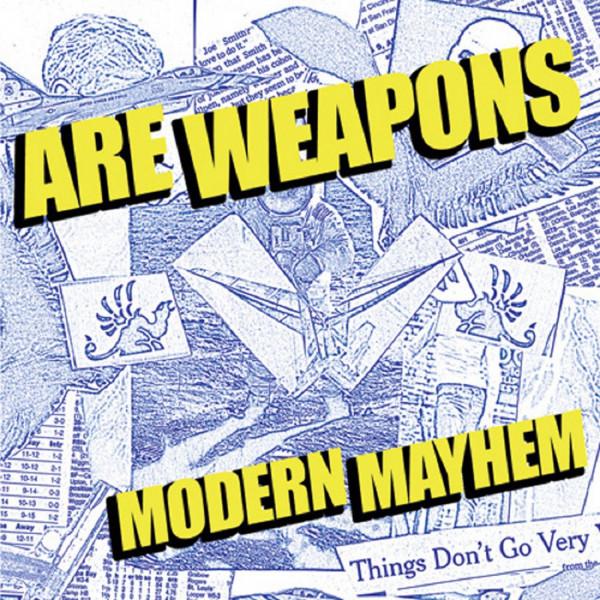
A.R.E. Weapons’ Spotify BioBassist Matthew McAuley, synthesizer player Thomas Bullock, guitarist Ryan Noel and vocalist Brain F. McPeck formed A.R.E. Weapons, a New York City-based group that began to generate a stir within underground circles in 2001 for their aggressive, confrontational shows and their buzzing and willfully ramshackle electro-rock. During a visit to New York, Pulp's Jarvis Cocker heard the band and encouraged Rough Trade's Geoff Travis to sign them. He obliged, and the band's debut single, Street Gang, was out by the end of July 2001. A second single, New York Muscle, was released in November, and the group was also featured on Electro Mogul's Electroclash compilation, which was out by the end of that year. Bullock left and was replaced by manager and third musician Paul Sevigny (brother of actress Chloe Sevigny), and the band's self-titled debut album finally arrived in April of 2003 but suffered a tremendous setback when Noel died of a heroin overdose the following year. The remaining… members continued to record; they released 2005's Free in the Streets on the Defend Music label, followed by Modern Mayhem in 2007. ~ Andy Kellman, Rovi
Viberate is a music analytics platform built for A&Rs, artist managers, labels, booking agents, marketers, and artists.
It helps music professionals track artist growth, analyze audience data, monitor playlist activity, compare artists, follow song performance, and identify opportunities across the music market.
Public artist pages provide a free preview of selected artist data. Paid plans provide access to deeper analytics, historical data, charts, comparisons, playlist tools, exports, alerts, reports, and additional professional features.
Yes. Public Viberate artist pages provide selected artist analytics and music data for free.
Viberate also offers a 7-day free trial of the full platform. A credit card is required to start the trial. The trial includes access to the complete product so users can test deeper artist analytics, historical views, playlist insights, comparisons, charts, exports, alerts, and reporting features before choosing a paid plan.
Viberate provides artist analytics across streaming, playlists, social media, video, radio airplay, songs, and audience markets.
Users can analyze Spotify performance, Spotify and Apple Music playlists, YouTube activity, TikTok and Instagram growth, radio spins, song performance, audience locations, demographics, rankings, and overall artist momentum.
Artist profiles also connect to music charts, similar artists, and comparison tools, helping users benchmark performance and evaluate artists in context.
Viberate updates key artist and track data daily.
For followed artists and tracks, selected data is refreshed multiple times per day. This helps teams monitor playlist changes, streaming movement, audience growth, releases, and campaign performance with more current data.
Update frequency can vary depending on the metric and data source.
Yes. Viberate lets users compare up to five artists side by side across streaming, social media, audience, and engagement metrics.
Users can compare fanbase growth, audience demographics, locations, Spotify performance, social metrics, and other artist data over selected time periods.
Artist comparison can be used for A&R scouting, benchmarking, booking decisions, campaign planning, and evaluating artists with similar audiences or market positions.