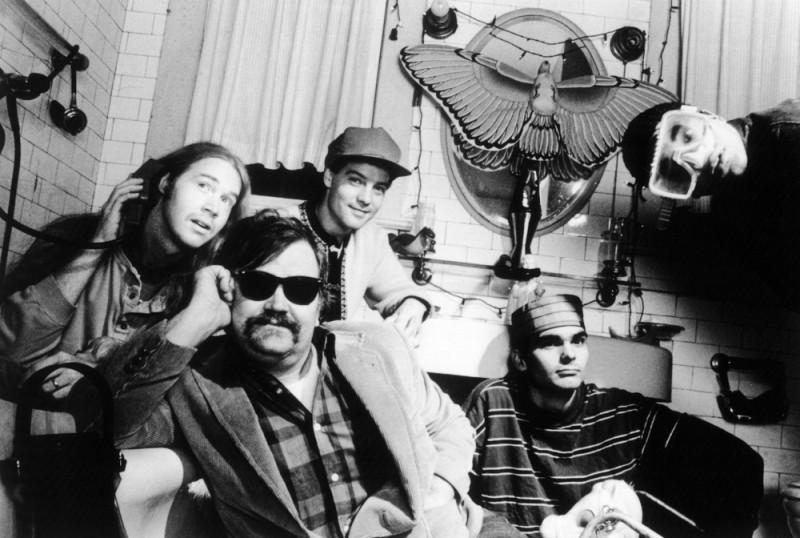
Aquarium Rescue Unit

Rock
Pop Rock
Funk Rock
 Viberate Rank: 306380
 Viberate Rank: 306380
 Monthly ListenersFollowers
 Subscribers
 Followers
 Followers
 FansTop Spotify Songs
| Track | 7-Day Streams | |
|---|---|---|
1 | 429 | |
2 | 260 | |
3 | 178 | |
4 | 138 | |
5 | 132 |
Top YouTube VideosMonthly ListenersFeatured in Playlists| Playlist | Followers | |
|---|---|---|
1 | Jazz Fusion, Progressive Rock, & Jam Bands Curator Seedpicker | 7.16K |
2 |  Clegg's Choice Nuggs John Taylor | 3.69K |
3 | Phish, Umphreys, jam, bluegrass Ryan Burner | 1.54K |
4 |  The Sound of Jam Band The Sounds of Spotify | 1.41K |
5 |  Searching For The Sound @DeadHead | 1.25K |
Audience| City | Monthly Listeners | |
|---|---|---|
1 | | 51 |
2 | | 37 |
3 | | 35 |
4 | | 32 |
5 | | 31 |
See full performance history, audience data, playlist activity, rankings, comparisons, and more in Viberate music analytics. Start with a free trial, then continue with a paid plan.
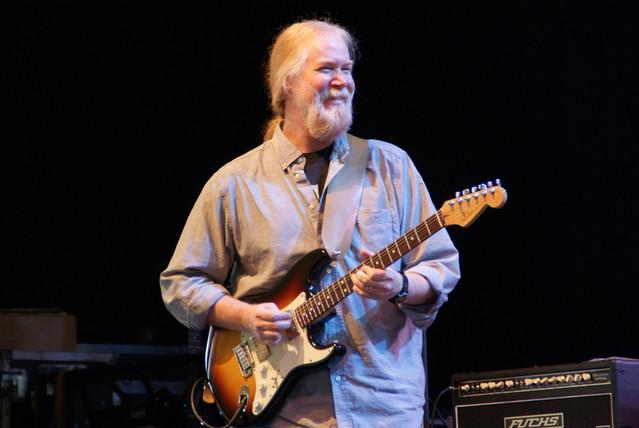
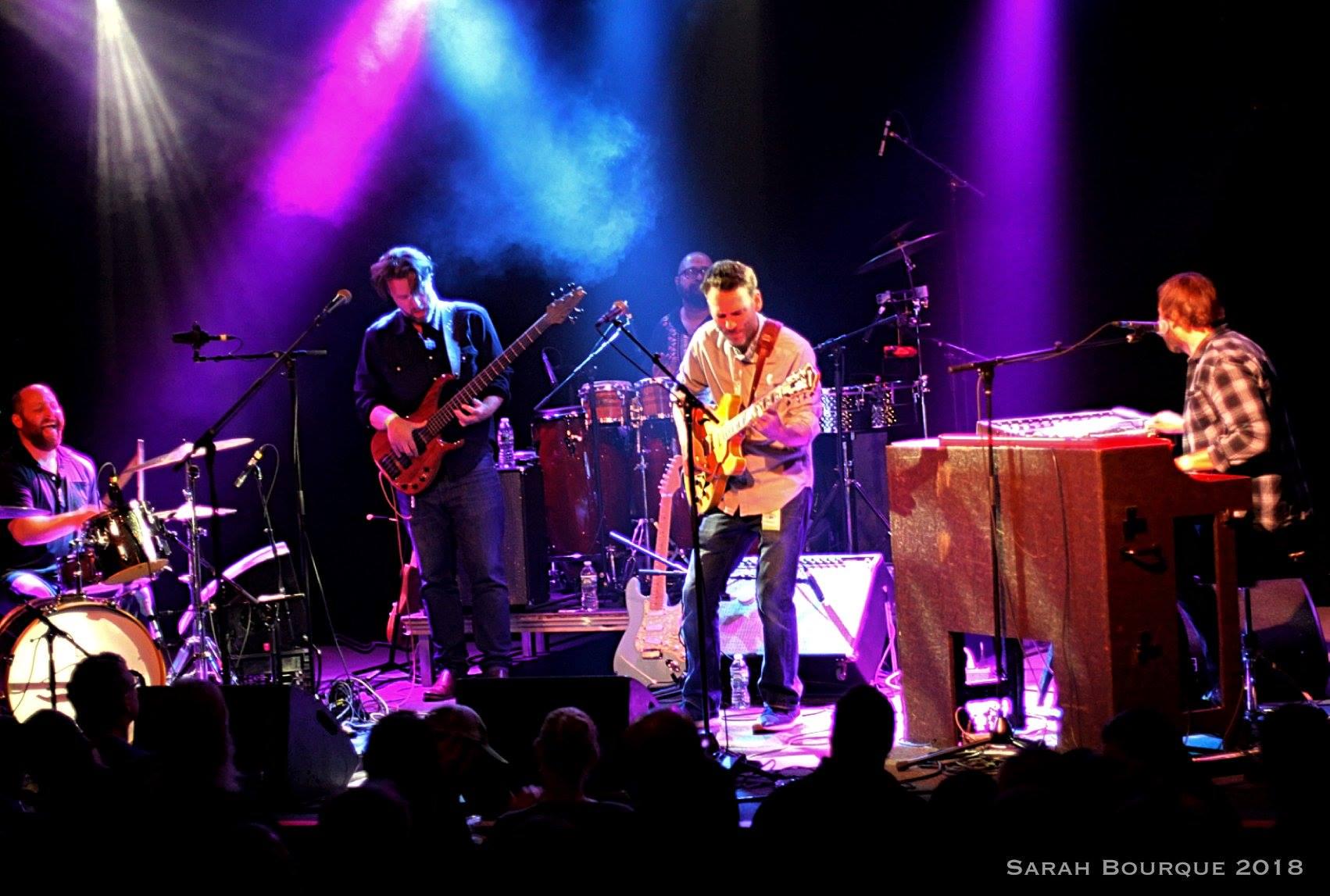
Aquarium Rescue Unit’s Spotify BioFounded as an outlet for the "out" musical philosophy of Col. Bruce Hampton, the Aquarium Rescue Unit's ever-rotating lineup became a fixture on the early jam band scene, eventually spawning members of the Allman Brothers Band, Phil Lesh & Friends, Leftover Salmon, and Frogwings. While never commercially successful, the band's hilariously fun fusion of bluegrass, rock, Latin, jazz, and impeccable chops became a template for much future work in the genre.
Growing out of a weekly Atlanta jam session hosted by the legendary Col. Bruce Hampton -- a founding member of the infamous Hampton Grease Band, among other underground Atlanta-based outfits -- the Aquarium Rescue Unit performed around their native Southeast with a rotating lineup (including future Blueground Undergrass founder Jeff Mosier and keyboardist Charles Williams) before settling on the group that would be heard on their two Capricorn Records releases in 1991 and 1993, respectively.
After recording their self-titled live debut… in 1991, the band embarked on the first two H.O.R.D.E. (Horizons of Rock Developing Everywhere) tours during the summers of 1992 and 1993, where they found musical compatriots with bands like Phish, Blues Traveler, the Spin Doctors, and fellow Georgians Widespread Panic. Cross-pollination was frequent, with members of the Unit and other bands frequently guesting on-stage or in the studio with their tourmates (such as Blues Traveler frontman John Popper's multiple appearances on the Unit's studio debut, Mirrors of Embarrassment).
In 1993, mandolinist Matt Mundy retired from music and returned home to Georgia. Within a year, Hampton himself retired from the road, citing health reasons (though he would later return with both the Fiji Mariners and the Code Talkers). Following a stint featuring virtuoso bassist Oteil Burbridge on lead vocals, the band recruited Paul Henson to be their new frontman.
Without Hampton's absurdist wisdom, the band fell to the sum of its parts, putting out two unsuccessful discs of tightly wound but ultimately soulless funk-fusion. As touring began to taper off in 1996, drummer Jeff Sipe left the group to pursue avant-garde interests with Jonas Hellborg and later joined Cajun-bluegrass outfit Leftover Salmon. Though the band never officially broke up, they became essentially deceased, reuniting occasionally in Georgia for one-off gigs.
Both the band as a whole and its individual members found far more success in the late '90s, with the band's work acknowledged as an important forebear of the modern-day jam band scene. In 1997, Burbridge replaced the late Allen Woody as bassist in the Allman Brothers Band (Unit guitarist Jimmy Herring also briefly replaced founding ABB guitarist Dickey Betts in the summer of 2000). Herring found nearly full-time work touring with both Jazz Is Dead (a fusion act occasionally featuring Mahavishnu Orchestra drummer Billy Cobham) as well as former Grateful Dead bassist Phil Lesh. Col. Bruce Hampton himself continued to tour and record sporadically into the 21st century, and on May 1, 2017 -- the day after his 70th birthday -- he was recognized for his importance to the jam band scene with an all-star tribute at Atlanta's Fox Theatre. The Colonel collapsed on-stage during the show's encore of "Turn on Your Love Light" and died shortly thereafter at a local hospital. ~ Jesse Jarnow, Rovi
Viberate is a music analytics platform built for A&Rs, artist managers, labels, booking agents, marketers, and artists.
It helps music professionals track artist growth, analyze audience data, monitor playlist activity, compare artists, follow song performance, and identify opportunities across the music market.
Public artist pages provide a free preview of selected artist data. Paid plans provide access to deeper analytics, historical data, charts, comparisons, playlist tools, exports, alerts, reports, and additional professional features.
Yes. Public Viberate artist pages provide selected artist analytics and music data for free.
Viberate also offers a 7-day free trial of the full platform. A credit card is required to start the trial. The trial includes access to the complete product so users can test deeper artist analytics, historical views, playlist insights, comparisons, charts, exports, alerts, and reporting features before choosing a paid plan.
Viberate provides artist analytics across streaming, playlists, social media, video, radio airplay, songs, and audience markets.
Users can analyze Spotify performance, Spotify and Apple Music playlists, YouTube activity, TikTok and Instagram growth, radio spins, song performance, audience locations, demographics, rankings, and overall artist momentum.
Artist profiles also connect to music charts, similar artists, and comparison tools, helping users benchmark performance and evaluate artists in context.
Viberate updates key artist and track data daily.
For followed artists and tracks, selected data is refreshed multiple times per day. This helps teams monitor playlist changes, streaming movement, audience growth, releases, and campaign performance with more current data.
Update frequency can vary depending on the metric and data source.
Yes. Viberate lets users compare up to five artists side by side across streaming, social media, audience, and engagement metrics.
Users can compare fanbase growth, audience demographics, locations, Spotify performance, social metrics, and other artist data over selected time periods.
Artist comparison can be used for A&R scouting, benchmarking, booking decisions, campaign planning, and evaluating artists with similar audiences or market positions.