ORGAN FAIRCHILD

R&B
Funk
 Viberate Rank: 244542
 Viberate Rank: 244542
 Monthly ListenersFollowers
 Subscribers
 Followers
 Followers
 FansTop Spotify Songs
| Track | 7-Day Streams | |
|---|---|---|
1 | 464 | |
2 | 394 | |
3 | 346 | |
4 | 278 | |
5 | 235 |
Top YouTube Videos| Video | 7-Day Views | |
|---|---|---|
1 | 131 | |
2 | 60 | |
3 | 34 | |
4 | 28 | |
5 | 26 |
Monthly ListenersFeatured in Playlists| Playlist | Followers | |
|---|---|---|
1 |  Instrumental Funk Spotify | 394.16K |
2 |  Low Volume Funk Ari Herstand | 54.93K |
3 |  Discovered Weekly eddershaw | 6.05K |
4 | Groovy Instrumentals leah / @lettucehemleah | 2.63K |
5 | 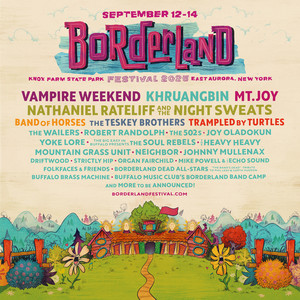 Borderland Festival 2025 - Official Playlist Borderland Festival | 1.62K |
Audience| City | Monthly Listeners | |
|---|---|---|
1 | | 66 |
2 | | 63 |
3 | | 58 |
4 | | 56 |
5 | | 52 |
See full performance history, audience data, playlist activity, rankings, comparisons, and more in Viberate music analytics. Start with a free trial, then continue with a paid plan.
ORGAN FAIRCHILD’s Spotify BioIt only took 37 years!
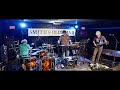
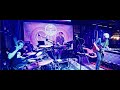
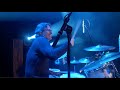
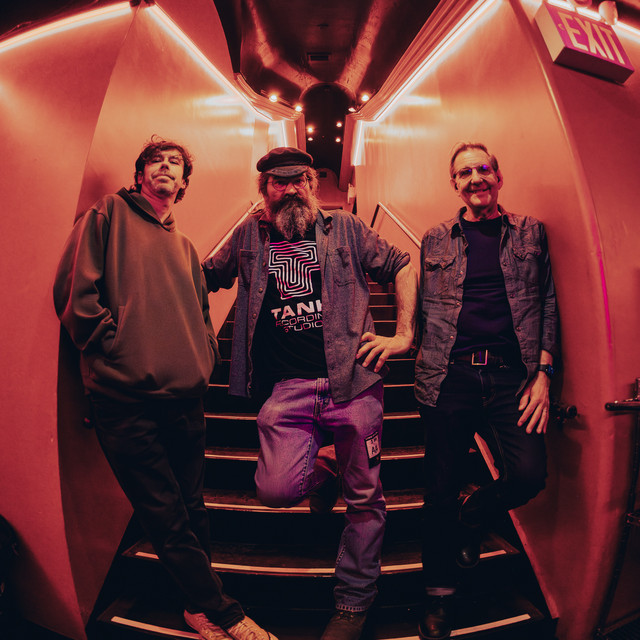
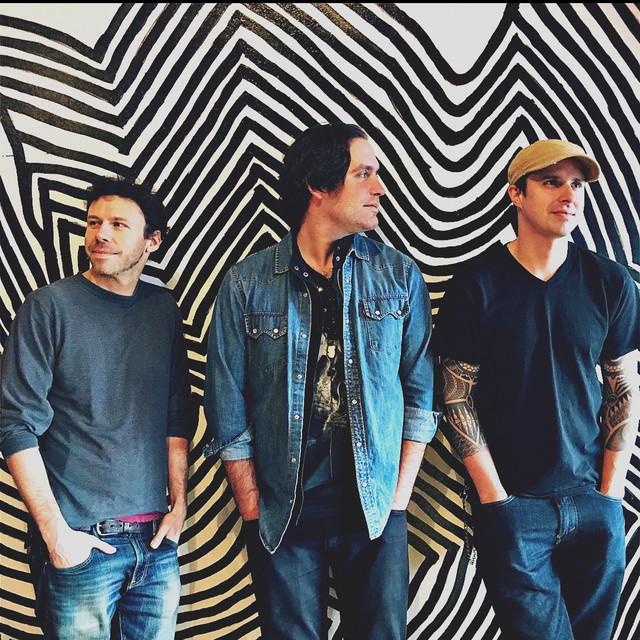
Jam scene mainstays Joe Bellanti, Corey Kertzie and Dave Ruch met in 1983 as members of Buffalo NY Grateful Dead cover band “Wild Knights,” a group that still plays reunion shows to this day.
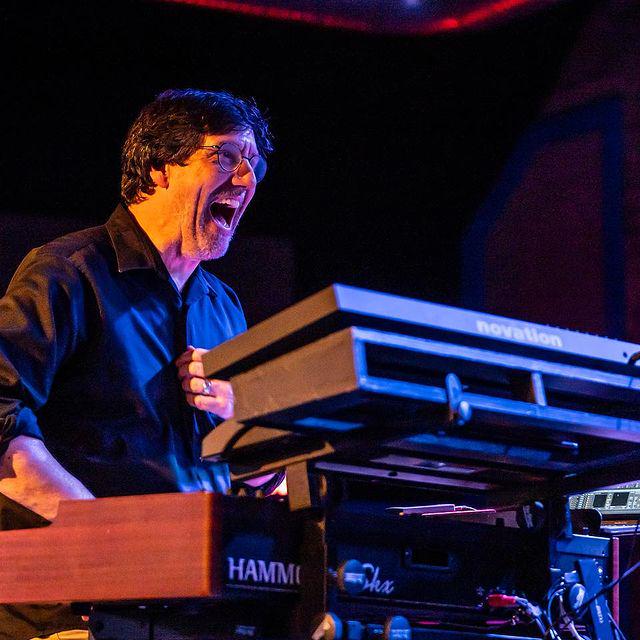
But it wasn’t until early 2020 that they wrote their first original music together, this time as three-piece instrumental organ trio/funky jam band Organ Fairchild.
The debut gig was just a month before COVID shutdowns, but the horse was out of the barn and the response was immediate!
Highlights of the band’s short life to date include:
* Included on Spotify's coveted "Instrumental Funk" playlist
* Four-set booking at 2023 Summer Camp Music Festival, IL (15,000+ attendance)
* Main stage appearance at Borderland Festival, East Aurora NY (7,000 attendance)
* Festivals and shows with Goose, Trey Anastasio Band, Umphrey’s McGee, moe., Melvin Seals and JGB, Anders Osborne and Jackie Greene, Andy Frasco & the U.N., Joe Marcinek, Tim Palmieri, Magic Beans, Sophistafunk, Dirty Dozen Brass… Band, Sam Grisman Project, Dogs in a Pile and many more
* Full band called out of the audience to sit in at sold out Andy Frasco & U.N. show 12/31/22 Town Ballroom (1,000 cap)
* Two sold out shows at Babeville’s Ninth Ward - Buffalo NY
* Tedeschi Trucks Band members sit-in - Washington DC
* Voted NY’s top emerging band (out of 64 groups) in 2021
* #1 on Relix Magazine/Jambands.com National Radio Charts Top 30 List
“Fast-rising NY band” – Live For Live Music
Viberate is a music analytics platform built for A&Rs, artist managers, labels, booking agents, marketers, and artists.
It helps music professionals track artist growth, analyze audience data, monitor playlist activity, compare artists, follow song performance, and identify opportunities across the music market.
Public artist pages provide a free preview of selected artist data. Paid plans provide access to deeper analytics, historical data, charts, comparisons, playlist tools, exports, alerts, reports, and additional professional features.
Yes. Public Viberate artist pages provide selected artist analytics and music data for free.
Viberate also offers a 7-day free trial of the full platform. A credit card is required to start the trial. The trial includes access to the complete product so users can test deeper artist analytics, historical views, playlist insights, comparisons, charts, exports, alerts, and reporting features before choosing a paid plan.
Viberate provides artist analytics across streaming, playlists, social media, video, radio airplay, songs, and audience markets.
Users can analyze Spotify performance, Spotify and Apple Music playlists, YouTube activity, TikTok and Instagram growth, radio spins, song performance, audience locations, demographics, rankings, and overall artist momentum.
Artist profiles also connect to music charts, similar artists, and comparison tools, helping users benchmark performance and evaluate artists in context.
Viberate updates key artist and track data daily.
For followed artists and tracks, selected data is refreshed multiple times per day. This helps teams monitor playlist changes, streaming movement, audience growth, releases, and campaign performance with more current data.
Update frequency can vary depending on the metric and data source.
Yes. Viberate lets users compare up to five artists side by side across streaming, social media, audience, and engagement metrics.
Users can compare fanbase growth, audience demographics, locations, Spotify performance, social metrics, and other artist data over selected time periods.
Artist comparison can be used for A&R scouting, benchmarking, booking decisions, campaign planning, and evaluating artists with similar audiences or market positions.