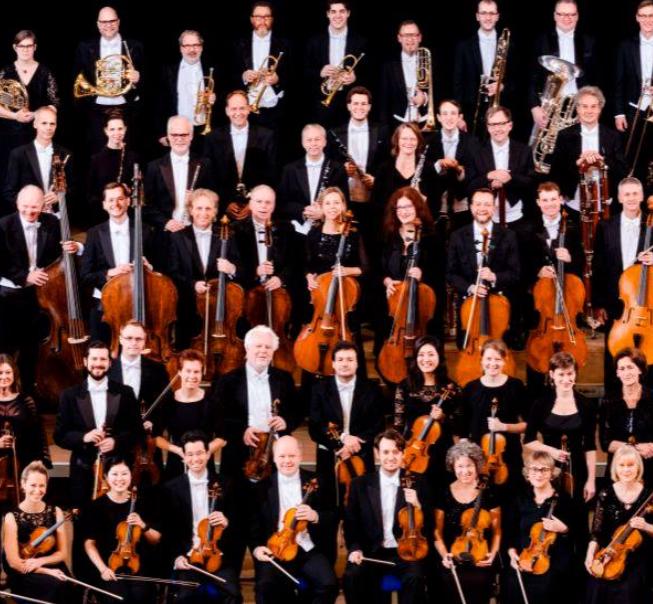
Anna Larsson

Classical
Opera
Chamber Music
 Viberate Rank: 528433
 Viberate Rank: 528433
 Monthly ListenersFollowers
 Subscribers
 Followers
 Followers
 FansTop Spotify Songs
| Track | 7-Day Streams | |
|---|---|---|
1 | 606 | |
2 | 432 | |
3 | 413 | |
4 | 405 | |
5 | 344 |
Top YouTube VideosMonthly ListenersFeatured in Playlists| Playlist | Followers | |
|---|---|---|
1 |  This Is Mahler Spotify | 62.22K |
2 |  Mahler Symphony 1-10 vanessa_lwy | 12.31K |
3 |  Evil Classical Music sambartos70 | 6.72K |
4 |  Choral: The 50 Greatest Tracks Udiscovermusic classical | 6.15K |
5 |  Best Symphonies 🎻 Sebastian | 5.08K |
Audience| City | Monthly Listeners | |
|---|---|---|
1 |  | 150 |
2 | | 98 |
3 |  | 91 |
4 |  | 72 |
5 |  | 68 |
See full performance history, audience data, playlist activity, rankings, comparisons, and more in Viberate music analytics. Start with a free trial, then continue with a paid plan.
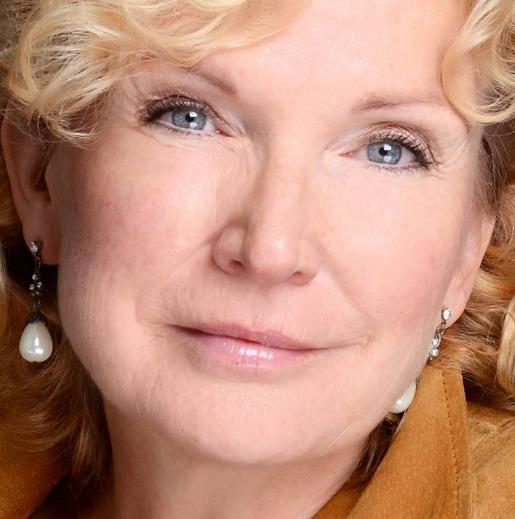
Anna Larsson’s Spotify BioBest known for her roles in Wagner's music dramas and concert performances of Mahler, Swedish mezzo-soprano Anna Larsson rose to prominence in the 1990s. She studied at the Adolf Fredrik's Music School and the University College of Opera in Stockholm. On-stage, she made her operatic debut in 1997, singing the role of Erda in Das Rheingold, with Daniel Barenboim conducting at the Staatsoper Unter den Linden, Berlin. Subsequently, she added the parts of Waltraute, Kundry, and Brangäne to her list of Wagnerian heroines. As an interpreter of Mahler, she made her concert debut in the Symphony No. 2 in C minor, "Resurrection," with the Berlin Philharmonic under Claudio Abbado, and in the Symphony No. 3 in D minor with the Dusseldorf Symphony conducted by Adam Fischer. She has also sung Brahms' Alto Rhapsody with the Oslo Philharmonic Orchestra, conducted by Paavo Berglund, and recorded it with Thomas Dausgaard and the Swedish Chamber Orchestra. Her recording of Richard Strauss' Daphne with… the WDR Symphony Orchestra Cologne led by Semyon Bychkov, brought her a Grammy nomination in 2005. In 2014, the King of Sweden awarded her the Royal Medal "Litteris et Artibus." Larsson and her husband Göran Eliasson are major promoters of the Dalhalla opera, and they built and inaugurated the Vattnäs Concert Barn near Orsa Lake in the Swedish province of Dalarna, and became involved with the summer opera festival held in a limestone quarry (Dalhalla Open Air Theater) in Darlecarlia. Larsson produced Wagner's Das Rheingold in 2013 and Puccini's Turandot in 2015, casting Nina Stemme as Turandot, and appeared in her own right as Carmen in 2016.
Viberate is a music analytics platform built for A&Rs, artist managers, labels, booking agents, marketers, and artists.
It helps music professionals track artist growth, analyze audience data, monitor playlist activity, compare artists, follow song performance, and identify opportunities across the music market.
Public artist pages provide a free preview of selected artist data. Paid plans provide access to deeper analytics, historical data, charts, comparisons, playlist tools, exports, alerts, reports, and additional professional features.
Yes. Public Viberate artist pages provide selected artist analytics and music data for free.
Viberate also offers a 7-day free trial of the full platform. A credit card is required to start the trial. The trial includes access to the complete product so users can test deeper artist analytics, historical views, playlist insights, comparisons, charts, exports, alerts, and reporting features before choosing a paid plan.
Viberate provides artist analytics across streaming, playlists, social media, video, radio airplay, songs, and audience markets.
Users can analyze Spotify performance, Spotify and Apple Music playlists, YouTube activity, TikTok and Instagram growth, radio spins, song performance, audience locations, demographics, rankings, and overall artist momentum.
Artist profiles also connect to music charts, similar artists, and comparison tools, helping users benchmark performance and evaluate artists in context.
Viberate updates key artist and track data daily.
For followed artists and tracks, selected data is refreshed multiple times per day. This helps teams monitor playlist changes, streaming movement, audience growth, releases, and campaign performance with more current data.
Update frequency can vary depending on the metric and data source.
Yes. Viberate lets users compare up to five artists side by side across streaming, social media, audience, and engagement metrics.
Users can compare fanbase growth, audience demographics, locations, Spotify performance, social metrics, and other artist data over selected time periods.
Artist comparison can be used for A&R scouting, benchmarking, booking decisions, campaign planning, and evaluating artists with similar audiences or market positions.