Angela Bofill

R&B
Contemporary R&B
Soul
 Viberate Rank: 52998
 Viberate Rank: 52998
 Monthly ListenersFollowers
 Subscribers
 Followers
 Followers
 FansTop Spotify Songs
| Track | 7-Day Streams | |
|---|---|---|
1 | 66.58K | |
2 | 50.94K | |
3 | 42.77K | |
4 | 40.93K | |
5 | 11.42K |
Top YouTube VideosMonthly ListenersFeatured in Playlists| Playlist | Followers | |
|---|---|---|
1 |  Soulful Disco Spotify | 552.90K |
2 | 90's Medley Love Songs 12147336536 | 195.83K |
3 |  real good shit Tom Misch | 165.62K |
4 | Oldies (ABBA, The Carpenters, Air Supply,..) 22l7fij43itb7njp7lbr6xgpq | 155.74K |
5 | 80s and 90s Best Lovesongs of All Time Dahlia | 94.90K |
Audience| City | Monthly Listeners | |
|---|---|---|
1 |  | 24.39K |
2 | | 13.80K |
3 | | 10.80K |
4 | | 10.55K |
5 | | 10.32K |
See full performance history, audience data, playlist activity, rankings, comparisons, and more in Viberate music analytics. Start with a free trial, then continue with a paid plan.
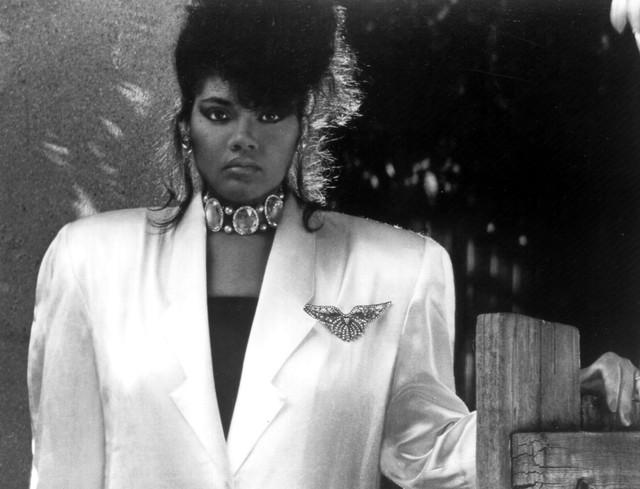
Angela Bofill’s Spotify BioBrooklyn native Angela Bofill sang with Ricardo Morrero & the Group and the Dance Theater of Harlem chorus before her 1978 debut. With her strong, distinctive alto, she carved a niche as an outstanding interpreter of soul ballads. Between 1978 and 1984, Bofill had consistent success on the R&B charts, with six albums making the Top 40 (five of which made the Top 100 on the pop charts as well), including two, Angel of the Night (1979) and Too Tough (1983), that made the Top Ten. During this period, she also placed seven singles in the R&B Top 40, with "Too Tough" making the Top Ten. Bofill's career cooled off after 1984, but she returned to the R&B charts with Intuition (1988), I Wanna Love Somebody (1993), and Love in Slow Motion (1996). She took to the stage in the mid-2000s for The Angela Bofill Experience before being temporarily sidelined by a pair of strokes, and was later inducted into the Women Songwriters Hall of Fame in 2023. Bofill died on June 13, 2024 at her daughter's home… in Vallejo, California at the age of 70. ~ Bil Carpenter, Rovi
Viberate is a music analytics platform built for A&Rs, artist managers, labels, booking agents, marketers, and artists.
It helps music professionals track artist growth, analyze audience data, monitor playlist activity, compare artists, follow song performance, and identify opportunities across the music market.
Public artist pages provide a free preview of selected artist data. Paid plans provide access to deeper analytics, historical data, charts, comparisons, playlist tools, exports, alerts, reports, and additional professional features.
Yes. Public Viberate artist pages provide selected artist analytics and music data for free.
Viberate also offers a 7-day free trial of the full platform. A credit card is required to start the trial. The trial includes access to the complete product so users can test deeper artist analytics, historical views, playlist insights, comparisons, charts, exports, alerts, and reporting features before choosing a paid plan.
Viberate provides artist analytics across streaming, playlists, social media, video, radio airplay, songs, and audience markets.
Users can analyze Spotify performance, Spotify and Apple Music playlists, YouTube activity, TikTok and Instagram growth, radio spins, song performance, audience locations, demographics, rankings, and overall artist momentum.
Artist profiles also connect to music charts, similar artists, and comparison tools, helping users benchmark performance and evaluate artists in context.
Viberate updates key artist and track data daily.
For followed artists and tracks, selected data is refreshed multiple times per day. This helps teams monitor playlist changes, streaming movement, audience growth, releases, and campaign performance with more current data.
Update frequency can vary depending on the metric and data source.
Yes. Viberate lets users compare up to five artists side by side across streaming, social media, audience, and engagement metrics.
Users can compare fanbase growth, audience demographics, locations, Spotify performance, social metrics, and other artist data over selected time periods.
Artist comparison can be used for A&R scouting, benchmarking, booking decisions, campaign planning, and evaluating artists with similar audiences or market positions.