Patti Austin

Pop
Mainstream Pop
Contemporary R&B
Soul
 Viberate Rank: 23096
 Viberate Rank: 23096
 Monthly ListenersFollowers
 Subscribers
 Followers
 Followers
 FansTop Spotify Songs
| Track | 7-Day Streams | |
|---|---|---|
1 | 280.55K | |
2 | 48.96K | |
3 | 36.49K | |
4 | 36.02K | |
5 | 25.13K |
Top YouTube VideosMonthly ListenersFeatured in Playlists| Playlist | Followers | |
|---|---|---|
1 |  Yacht Rock Spotify | 1.85M |
2 |  Soulful Disco Spotify | 552.90K |
3 |  FLASHBACK - DISCOTECA 80s & 90s Maicon NIGHTS DJ | 164.43K |
4 | **80s R&B Hits** Chrismix | 119.20K |
5 | 80's Hit Sensation Dilan | 111.58K |
Audience| City | Monthly Listeners | |
|---|---|---|
1 |  | 28.74K |
2 | | 12.24K |
3 | | 11.85K |
4 |  | 10.51K |
5 | | 10.40K |
See full performance history, audience data, playlist activity, rankings, comparisons, and more in Viberate music analytics. Start with a free trial, then continue with a paid plan.
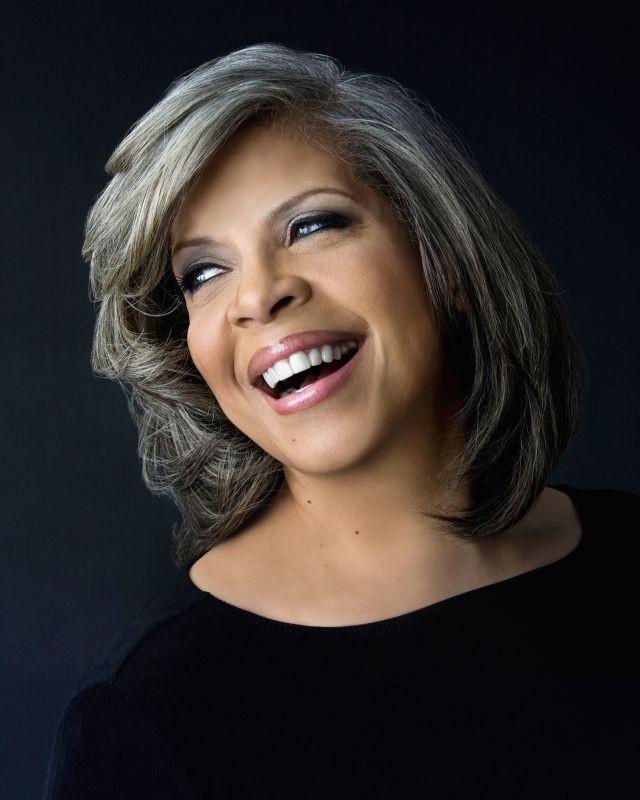
Patti Austin’s Spotify BioA Grammy-winning vocalist, Patti Austin is known for her ebullient jazz and R&B recordings. A performer since she was a child, Austin released several soul-jazz albums in the '70s before gaining widespread fame with her chart-topping 1982 hit duet with Roger Ingram "Baby, Come to Me," off the Quincy Jones-produced Every Home Should Have One. Along with her pop success, she has released a string of Top 20 Billboard 200 Jazz Albums, including 1988's The Real Me, 1990's Love Is Gonna Getcha, and 1994's The Secret Place. Austin also paid tribute to one of her idols, Ella Fitzgerald on 2003's For Ella and took home Grammy Awards for her 2007 big-band album Avant Gershwin and 2015's Home Suite Home with the Patrick Williams big band. She again paid homage to Fitzgerald with both 2017's Ella & Louis and 2023's Grammy-nominated For Ella 2.
Born in 1950 in Harlem, New York, Austin grew up in a musical family the daughter of a jazz trombonist. A professional singer since the age of five, Austin… was a protégé of Dinah Washington and Sammy Davis, Jr. A 1969 single for United Artists titled "Family Tree" cracked the R&B Top 50. Austin cut her debut LP, End of a Rainbow, for Creed Taylor's CTI label in 1976, followed by Havana Candy in 1977 and Body Language in 1980. She sang lead vocals for Japanese koto player Yutaka Yokokura on "Love Light" in 1978, did a duet with Michael Jackson on "It's the Falling in Love" for Off the Wall, and sang "The Closer I Get to You" on Tom Browne's album in 1979. Austin dueted with George Benson on "Moody's Mood for Love" in 1980. She sang backgrounds for sessions by Houston Person, Noel Pointer, Ralph McDonald, Angela Bofill, and Roberta Flack.
Austin did vocals on Quincy Jones' The Dude LP in 1981, and was featured on the hit "Razzamatazz." She inked a solo deal on Jones' Qwest label, and her 1982 LP Every Home Should Have One included the number one pop hit (number nine R&B) "Baby, Come to Me," which got widespread exposure via the ABC soap opera General Hospital. The follow-up single, "How Do You Keep the Music Playing," was the theme for the film Best Friends. Both songs paired Austin with James Ingram. She continued recording for Jones' Qwest label throughout the decade, releasing 1980's eponymously titled Patti Austin, 1985's Gettin' Away with Murder, and 1988's The Real Me, the latter of which hit number seven on Billboard's Jazz chart.
Austin switched to GRP in 1990 and recorded Love Is Gonna Getcha, with the singles "Through the Test of Time" and "Good in Love." It peaked at number four on Billboard's Jazz Albums chart. More Top 20 Jazz-charting albums followed, including 1991's Carry On, 1991's Live, and 1994's Lee Ritenour-produced That Secret Place. She then moved to Concord for 1998's In & Out of Love and followed with Street of Dreams in 1999.
In 2001, she again hit Top 30 of the Jazz Albums chart with On the Way to Love, which found her returning to Quincy Jones' Warner Bros.-distributed Qwest label and reuniting for a duet with James Ingram. Her lovely tribute to Ella Fitzgerald, For Ella, appeared in spring 2002 and reached number seven on the Billboard Jazz Albums chart. In 2007, she delivered Avant Gershwin, a big-band album of George Gershwin compositions that hit number five on the Jazz Albums chart and won the Grammy Award for Best Jazz Vocal Album.
After a decade on the jazz side of the fence, Austin turned more toward the pop side with 2011's Sound Advice, produced by Greg Phillinganes. It featured a mix of covers, including interpretations of songs by Des'ree, the Rolling Stones, Depeche Mode, and others.
In 2015, Austin was featured on Patrick Williams' big-band album Home Suite Home. Included was her performance of "52nd & Broadway," which took home the Grammy for Best Arrangement, Instruments and Vocals. In 2016, she collaborated with author Tara Meyer on the children's book and accompanying soundtrack Mighty Musical Fairy Tales. A year later, she revisited her Ella Fitzgerald influence with Ella & Louis, a collaboration with trumpeter, trombonist, pianist, and bandleader James Morrison, his quintet, and the Melbourne Symphony Orchestra conducted by Benjamin Northey. A third Fitzgerald-themed album, For Ella 2, arrived in 2023 and featured Austin with Gordon Goodwin's Big Phat Band. It picked up a Grammy nomination for Best Jazz Album. ~ Matt Collar & Ron Wynn, Rovi
Viberate is a music analytics platform built for A&Rs, artist managers, labels, booking agents, marketers, and artists.
It helps music professionals track artist growth, analyze audience data, monitor playlist activity, compare artists, follow song performance, and identify opportunities across the music market.
Public artist pages provide a free preview of selected artist data. Paid plans provide access to deeper analytics, historical data, charts, comparisons, playlist tools, exports, alerts, reports, and additional professional features.
Yes. Public Viberate artist pages provide selected artist analytics and music data for free.
Viberate also offers a 7-day free trial of the full platform. A credit card is required to start the trial. The trial includes access to the complete product so users can test deeper artist analytics, historical views, playlist insights, comparisons, charts, exports, alerts, and reporting features before choosing a paid plan.
Viberate provides artist analytics across streaming, playlists, social media, video, radio airplay, songs, and audience markets.
Users can analyze Spotify performance, Spotify and Apple Music playlists, YouTube activity, TikTok and Instagram growth, radio spins, song performance, audience locations, demographics, rankings, and overall artist momentum.
Artist profiles also connect to music charts, similar artists, and comparison tools, helping users benchmark performance and evaluate artists in context.
Viberate updates key artist and track data daily.
For followed artists and tracks, selected data is refreshed multiple times per day. This helps teams monitor playlist changes, streaming movement, audience growth, releases, and campaign performance with more current data.
Update frequency can vary depending on the metric and data source.
Yes. Viberate lets users compare up to five artists side by side across streaming, social media, audience, and engagement metrics.
Users can compare fanbase growth, audience demographics, locations, Spotify performance, social metrics, and other artist data over selected time periods.
Artist comparison can be used for A&R scouting, benchmarking, booking decisions, campaign planning, and evaluating artists with similar audiences or market positions.