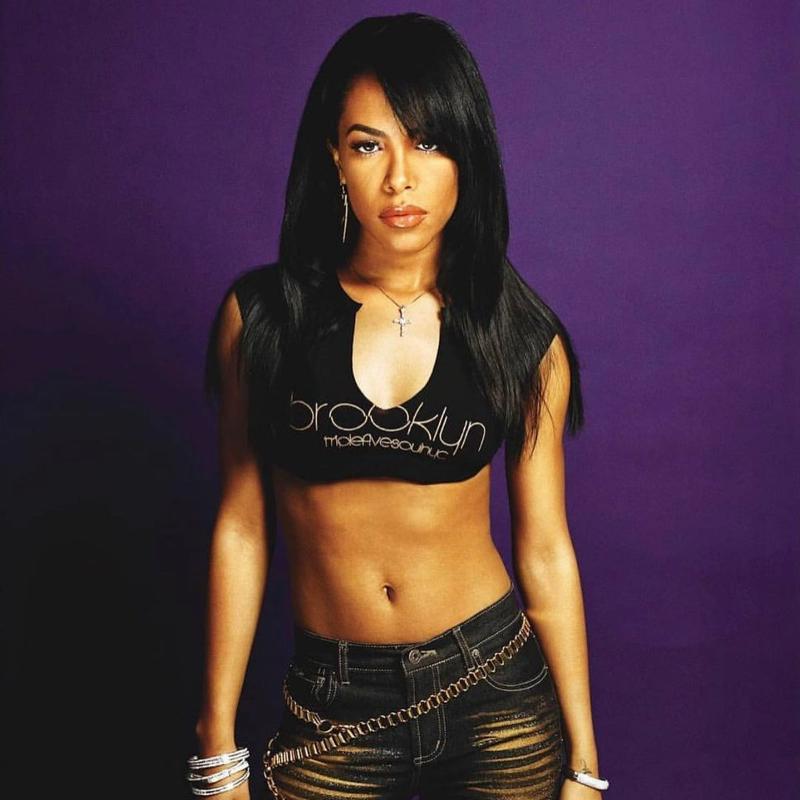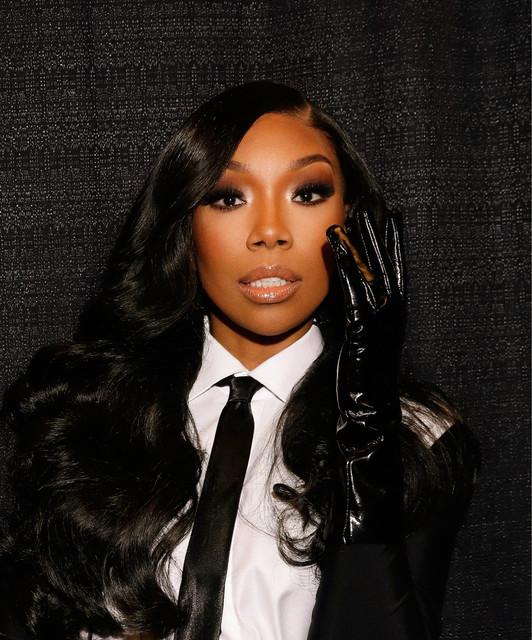
Amerie

R&B
Contemporary R&B
Soul
 Viberate Rank: 6752
 Viberate Rank: 6752
 Monthly ListenersFollowers
 Subscribers
 Followers
 Followers
 FansTop Spotify Songs
| Track | 7-Day Streams | |
|---|---|---|
1 | 1.39M | |
2 | 317.91K | |
3 | 246.45K | |
4 | 194.50K | |
5 | 49.81K |
Top YouTube Videos| Video | 7-Day Views | |
|---|---|---|
1 | 104.75K | |
2 | 44.89K | |
3 | 38.79K | |
4 | 31.25K | |
5 | 15.25K |
Monthly ListenersFeatured in Playlists| Playlist | Followers | |
|---|---|---|
1 |  I Love My '00s R&B Spotify | 4.81M |
2 |  Most Necessary Spotify | 2.69M |
3 |  Silk Sheets Spotify | 2.30M |
4 |  Signed XOXO Spotify | 2.03M |
5 |  2000s HITS Y2K THROWBACKS Filtr US | 1.57M |
Audience| City | Monthly Listeners | |
|---|---|---|
1 |  | 90.70K |
2 |  | 60.00K |
3 | | 50.61K |
4 | | 48.70K |
5 | | 47.61K |
See full performance history, audience data, playlist activity, rankings, comparisons, and more in Viberate music analytics. Start with a free trial, then continue with a paid plan.
Amerie’s Spotify BioPop-oriented R&B singer and songwriter Amerie -- born Amerie Mi Marie Rogers in Fitchburg, Massachusetts to a Korean mother and an African-American father who was a career military man -- grew up on bases from Alaska to Germany. As a youth, she gained an appreciation of the classical arts (from her mother) and of music (from her father), and she also studied dance from an early age and performed in talent contests. After her high school graduation, her family settled down in Virginia while she began to attend Georgetown University, from which she later graduated with a degree in English and Fine Arts. While living in Washington, D.C., she met producer Rich Harrison, who worked with such performers as Mary J. Blige, and began developing demos with him. This led to a deal with Rise Entertainment and, in turn, major-label Columbia.
In the spring of 2002, Rise/Columbia released Amerie's debut single, "Why Don't We Fall in Love." By the time her first album, All I Have, appeared that July,… the single had reached the Top 20 of the R&B/hip-hop chart and the Billboard Hot 100. Her follow-up, Touch, was released in April 2005. It peaked at number five on the Billboard album chart while yielding the number one single "1 Thing." The album was a significant improvement over her debut, due, in large part, to her songwriting input on almost every song. Because I Love It, her third album, followed in May 2007. Though it was her strongest and most colorful work yet, and reached the Top 20 in the U.K., plans for a U.S. release fell through. The following year, she signed to Def Jam after splitting with Columbia. She recorded her fourth album, In Love & War, and released it in November 2009. It made a number three R&B-chart debut but made a quick slide backward due to a lack of significant radio play. After she changed the spelling of her performing name to Ameriie, she released the singles "What I Want" (2014) and "Mustang" (2015), as well as the EP Drive, through her Feenix Rising label. ~ William Ruhlmann & Andy Kellman, Rovi
Viberate is a music analytics platform built for A&Rs, artist managers, labels, booking agents, marketers, and artists.
It helps music professionals track artist growth, analyze audience data, monitor playlist activity, compare artists, follow song performance, and identify opportunities across the music market.
Public artist pages provide a free preview of selected artist data. Paid plans provide access to deeper analytics, historical data, charts, comparisons, playlist tools, exports, alerts, reports, and additional professional features.
Yes. Public Viberate artist pages provide selected artist analytics and music data for free.
Viberate also offers a 7-day free trial of the full platform. A credit card is required to start the trial. The trial includes access to the complete product so users can test deeper artist analytics, historical views, playlist insights, comparisons, charts, exports, alerts, and reporting features before choosing a paid plan.
Viberate provides artist analytics across streaming, playlists, social media, video, radio airplay, songs, and audience markets.
Users can analyze Spotify performance, Spotify and Apple Music playlists, YouTube activity, TikTok and Instagram growth, radio spins, song performance, audience locations, demographics, rankings, and overall artist momentum.
Artist profiles also connect to music charts, similar artists, and comparison tools, helping users benchmark performance and evaluate artists in context.
Viberate updates key artist and track data daily.
For followed artists and tracks, selected data is refreshed multiple times per day. This helps teams monitor playlist changes, streaming movement, audience growth, releases, and campaign performance with more current data.
Update frequency can vary depending on the metric and data source.
Yes. Viberate lets users compare up to five artists side by side across streaming, social media, audience, and engagement metrics.
Users can compare fanbase growth, audience demographics, locations, Spotify performance, social metrics, and other artist data over selected time periods.
Artist comparison can be used for A&R scouting, benchmarking, booking decisions, campaign planning, and evaluating artists with similar audiences or market positions.