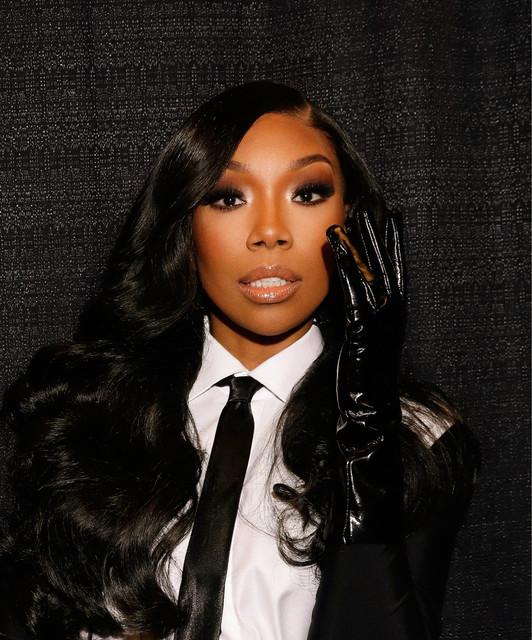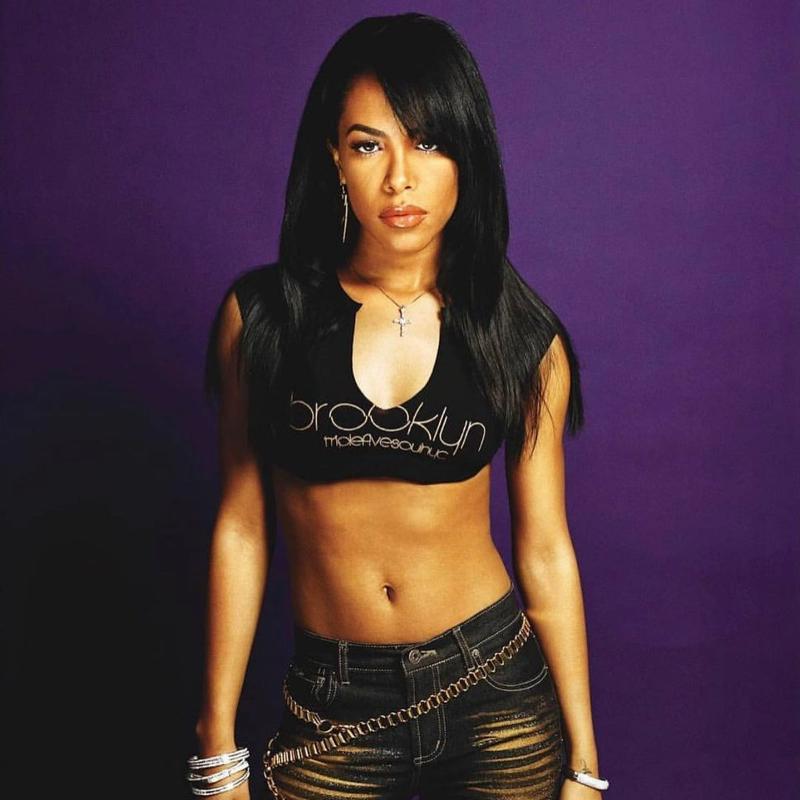
Aaliyah

R&B
Contemporary R&B
Alternative Hip Hop
Neo Soul
 Viberate Rank: 2573
 Viberate Rank: 2573
 Monthly ListenersFollowers
 Subscribers
 Followers
 Followers
 FansTop Spotify Songs
| Track | 7-Day Streams | |
|---|---|---|
1 | 905.05K | |
2 | 889.88K | |
3 | 498.16K | |
4 | 475.43K | |
5 | 473.32K |
Top YouTube Videos| Video | 7-Day Views | |
|---|---|---|
1 | 112.03K | |
2 | 82.35K | |
3 | 29.27K | |
4 | 28.45K | |
5 | 15.18K |
Monthly ListenersFeatured in Playlists| Playlist | Followers | |
|---|---|---|
1 |  I Love My '90s R&B Spotify | 3.89M |
2 |  90s HITS | TOP 100 SONGS Filtr US | 2.58M |
3 |  Love Deluxe Spotify | 2.53M |
4 |  R&B Classics 90s & 2000s - Best Old School RnB Hits Playlist - Usher, Chris Brown, Ne-Yo, Mario Esydia | 1.79M |
5 |  mid:nite storm Spotify | 1.00M |
Audience| City | Monthly Listeners | |
|---|---|---|
1 |  | 116.02K |
2 | | 108.74K |
3 |  | 107.87K |
4 | | 89.34K |
5 | | 86.71K |
See full performance history, audience data, playlist activity, rankings, comparisons, and more in Viberate music analytics. Start with a free trial, then continue with a paid plan.
Aaliyah’s Spotify BioAaliyah was born January 16, 1979 in Brooklyn, New York. Later she moved to Detroit where she developed and honed her angelic falsetto and smooth vocal timbre that would become the hallmark of her legendary style. At the age of 10, she appeared on the TV show Star Search and performed in concert alongside Gladys Knight. At the age of 12, she signed with Jive Records. Her uncle and manager at the time, Barry Hankerson, introduced her to R. Kelly, who became lead songwriter and producer of her debut album, Age Ain't Nothing but a Number. The album went on to sell three million copies and was certified double platinum by the RIAA. After allegations of an illegal marriage with Kelly, Aaliyah's parents took over her management, and ended her contract with Jive and signed with Atlantic Records.
Aaliyah worked with record producers Timbaland and Missy Elliott for her second album, One in a Million. It sold three million copies in the U.S. and more than eight million worldwide. In 2000,… Aaliyah made her film debut in Romeo Must Die. She contributed to the film's soundtrack, which spawned the single "Try Again". The song topped the Billboard Hot 100 solely on airplay, making Aaliyah the first artist in Billboard history to achieve this goal. In 2001, Aaliyah filmed the titular role of "Akasha" in Queen of the Damned, and released her chart topping, self-titled, third and final studio album the same year.
On August 25, 2001, Aaliyah passed away at the age of 22.
Viberate is a music analytics platform built for A&Rs, artist managers, labels, booking agents, marketers, and artists.
It helps music professionals track artist growth, analyze audience data, monitor playlist activity, compare artists, follow song performance, and identify opportunities across the music market.
Public artist pages provide a free preview of selected artist data. Paid plans provide access to deeper analytics, historical data, charts, comparisons, playlist tools, exports, alerts, reports, and additional professional features.
Yes. Public Viberate artist pages provide selected artist analytics and music data for free.
Viberate also offers a 7-day free trial of the full platform. A credit card is required to start the trial. The trial includes access to the complete product so users can test deeper artist analytics, historical views, playlist insights, comparisons, charts, exports, alerts, and reporting features before choosing a paid plan.
Viberate provides artist analytics across streaming, playlists, social media, video, radio airplay, songs, and audience markets.
Users can analyze Spotify performance, Spotify and Apple Music playlists, YouTube activity, TikTok and Instagram growth, radio spins, song performance, audience locations, demographics, rankings, and overall artist momentum.
Artist profiles also connect to music charts, similar artists, and comparison tools, helping users benchmark performance and evaluate artists in context.
Viberate updates key artist and track data daily.
For followed artists and tracks, selected data is refreshed multiple times per day. This helps teams monitor playlist changes, streaming movement, audience growth, releases, and campaign performance with more current data.
Update frequency can vary depending on the metric and data source.
Yes. Viberate lets users compare up to five artists side by side across streaming, social media, audience, and engagement metrics.
Users can compare fanbase growth, audience demographics, locations, Spotify performance, social metrics, and other artist data over selected time periods.
Artist comparison can be used for A&R scouting, benchmarking, booking decisions, campaign planning, and evaluating artists with similar audiences or market positions.