Alter Ego

Electronic
House
Other Electronic Music
Techno
 Viberate Rank: 177229
 Viberate Rank: 177229
 Monthly ListenersFollowers
 Subscribers
 Followers
 Followers
 FansTop Spotify Songs
| Track | 7-Day Streams | |
|---|---|---|
1 | 7.03K | |
2 | 6.75K | |
3 | 1.09K | |
4 | 574 | |
5 | 488 |
Top YouTube VideosMonthly ListenersFeatured in Playlists| Playlist | Followers | |
|---|---|---|
1 |  Dance Classics Spotify | 1.82M |
2 |  IBIZA CLASSICS 🍹1990-2026 Lounge & Restaurant | 220.31K |
3 |  Tomorrowland Top 1000 Official Playlist Tomorrowland | 125.40K |
4 |  Dance Anos 90 • Eurodance & Italodance 🎧💽 Jack Tk | SÓasTOPS! 🎧Playlists® | 52.50K |
5 | Berghain Music Roman Wäger | 39.72K |
Audience| City | Monthly Listeners | |
|---|---|---|
1 |  | 1.62K |
2 |  | 1.45K |
3 | | 853 |
4 |  | 767 |
5 |  | 674 |
See full performance history, audience data, playlist activity, rankings, comparisons, and more in Viberate music analytics. Start with a free trial, then continue with a paid plan.
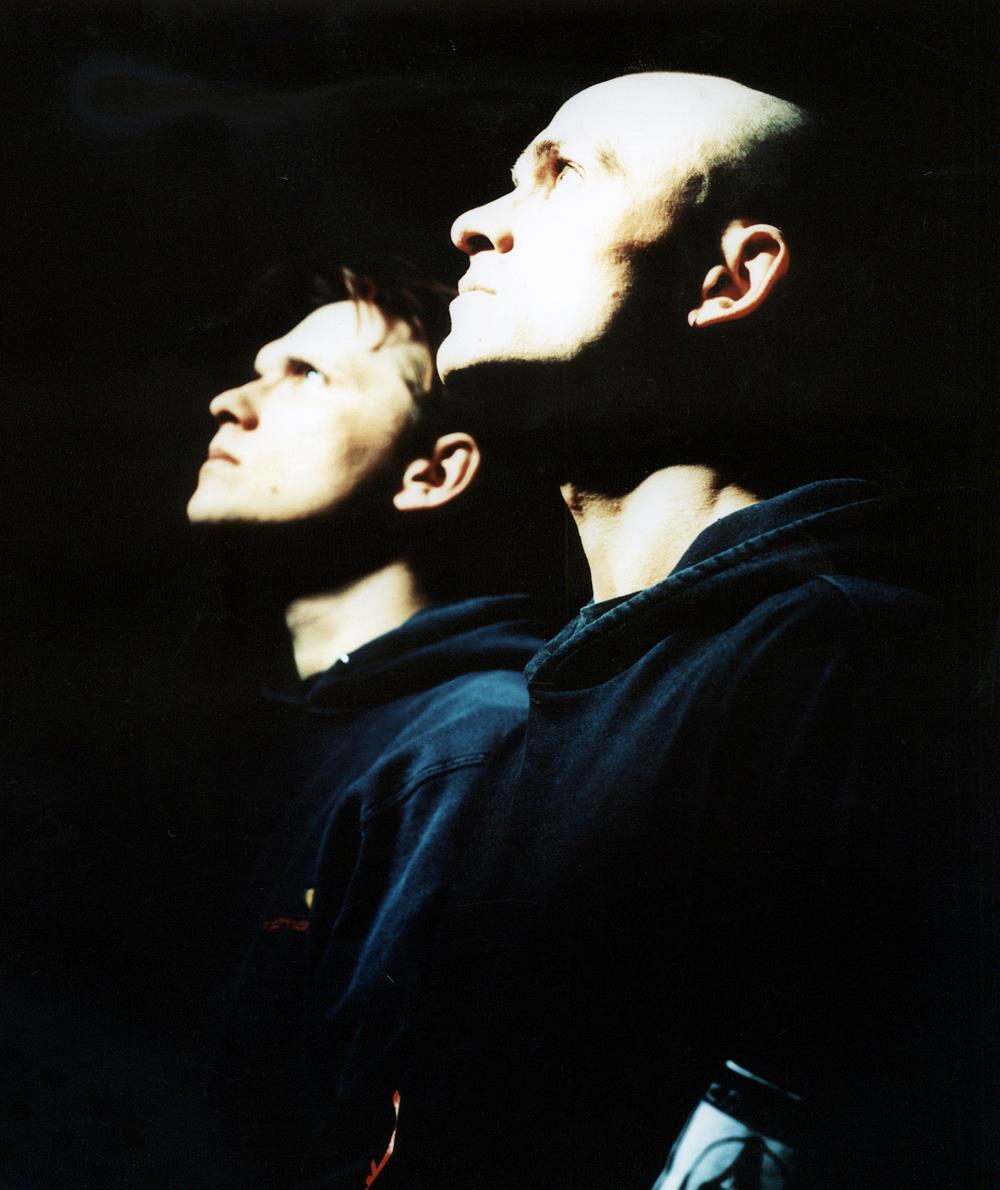
Alter Ego’s Spotify BioReleasing arguably the first album of "listening techno" in Germany (their 1994 self-titled debut) and building on the style with subsequent releases, Roman Flügel and Jörn Elling-Wuttke are the exception that proves the rule in boom-boom dominated Deutschland. Better known and revered in England, where dance-based electronic music of a home-listening stripe has been the norm for nearly a decade, Alter Ego have also managed to influenced countrymen and labelmates such as Hardfloor and Yokota to move away from Germany's increasingly commercial trance/techno scene and into headier, more experimental climes. The pair signed to Sven Väth's trance-dominated Harthouse label in 1993, after releasing a self-titled full-length on their own Klang Elektronik (under the name Acid Jesus) which caught Väth's attention. Flügel was a jazz drummer prior to his work with Wuttke, and the pair met in the late '80s as a result of the snowballing German trance scene. They began producing tracks in the… studio Wuttke was piecing together, and had an immediate hit as Acid Jesus with their first single, "Move My Body."
By the time they'd signed with Harthouse, however, Flügel and Wuttke were no longer interested in pursuing the club side of dance-based electronic music. Turned off by the German trance and techno scenes' steady commercialization, Flügel and Wuttke sought to innovate German techno out of redundancy by diversifying. Originally slated for release on Harthouse ambient sublabel Recycle or Die, Alter Ego got a main label release instead, and together with the subsequent Decoding the Hacker Myth, succeeded in slowing the pace of German techno and adding a cachet of new influences (U.K. ambient techno outfits such as B12 and the Black Dog, hip-hop and electro, jazz and soul). Decoding the Hacker Myth was reissued in 1996, coupled with a bonus disc of remixes by the likes of Luke Slater, Two Lone Swordsmen, and Matt "Dr. Rockit" Herbert's Wishmountain project. Flügel has also released an EP and full-length as Ro70 on David Moufang's Source label, and both Flügel and Wuttke continue to release tracks under such side-project pseudonyms as Sensorama, Primitive Painter, and Eight Miles High for Ladomat, R&S, and Klang. They also worked on production for Väth's Contact LP. ~ Sean Cooper, Rovi
Viberate is a music analytics platform built for A&Rs, artist managers, labels, booking agents, marketers, and artists.
It helps music professionals track artist growth, analyze audience data, monitor playlist activity, compare artists, follow song performance, and identify opportunities across the music market.
Public artist pages provide a free preview of selected artist data. Paid plans provide access to deeper analytics, historical data, charts, comparisons, playlist tools, exports, alerts, reports, and additional professional features.
Yes. Public Viberate artist pages provide selected artist analytics and music data for free.
Viberate also offers a 7-day free trial of the full platform. A credit card is required to start the trial. The trial includes access to the complete product so users can test deeper artist analytics, historical views, playlist insights, comparisons, charts, exports, alerts, and reporting features before choosing a paid plan.
Viberate provides artist analytics across streaming, playlists, social media, video, radio airplay, songs, and audience markets.
Users can analyze Spotify performance, Spotify and Apple Music playlists, YouTube activity, TikTok and Instagram growth, radio spins, song performance, audience locations, demographics, rankings, and overall artist momentum.
Artist profiles also connect to music charts, similar artists, and comparison tools, helping users benchmark performance and evaluate artists in context.
Viberate updates key artist and track data daily.
For followed artists and tracks, selected data is refreshed multiple times per day. This helps teams monitor playlist changes, streaming movement, audience growth, releases, and campaign performance with more current data.
Update frequency can vary depending on the metric and data source.
Yes. Viberate lets users compare up to five artists side by side across streaming, social media, audience, and engagement metrics.
Users can compare fanbase growth, audience demographics, locations, Spotify performance, social metrics, and other artist data over selected time periods.
Artist comparison can be used for A&R scouting, benchmarking, booking decisions, campaign planning, and evaluating artists with similar audiences or market positions.