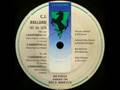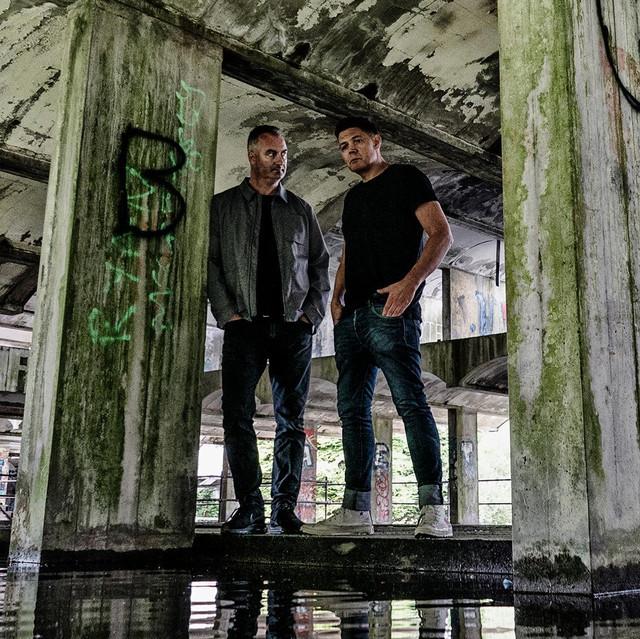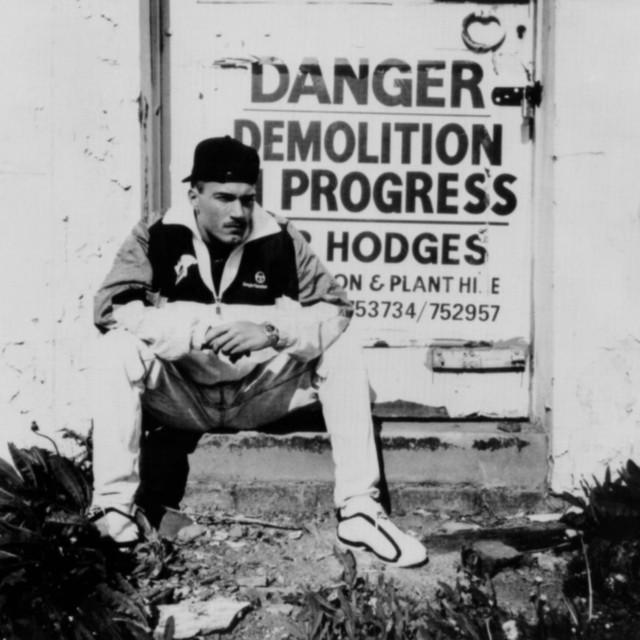
CJ Bolland

Electronic
Techno
Other Electronic Music
 Viberate Rank: 84404
 Viberate Rank: 84404
 Monthly ListenersFollowers
 Subscribers
 Followers
 Followers
 FansTop Spotify Songs
| Track | 7-Day Streams | |
|---|---|---|
1 | 26.03K | |
2 | 17.95K | |
3 | 15.73K | |
4 | 9.49K | |
5 | 8.18K |
Top YouTube Videos| Video | 7-Day Views | |
|---|---|---|
1 | 2.75K | |
2 | 1.50K | |
3 | 534 | |
4 | 418 | |
5 | 360 |
Monthly ListenersFeatured in Playlists| Playlist | Followers | |
|---|---|---|
1 |  Trance Top 1000 | Armada Music Armada Music | 468.54K |
2 |  Love Regenerator Playlist Calvin Harris | 130.34K |
3 |  Big Beat Spotify | 120.17K |
4 |  Best House & Club Tracks | Defected Defected Records | 109.22K |
5 |  Techno House Trips Monroychis (playlist) | 88.08K |
Audience| City | Monthly Listeners | |
|---|---|---|
1 |  | 9.54K |
2 | | 3.79K |
3 |  | 3.56K |
4 | | 3.24K |
5 |  | 2.31K |
See full performance history, audience data, playlist activity, rankings, comparisons, and more in Viberate music analytics. Start with a free trial, then continue with a paid plan.
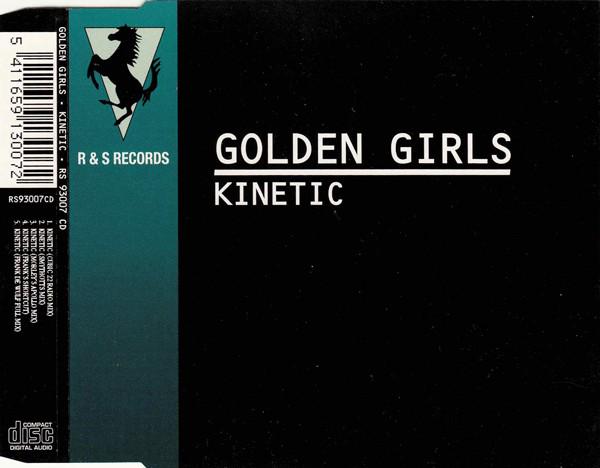
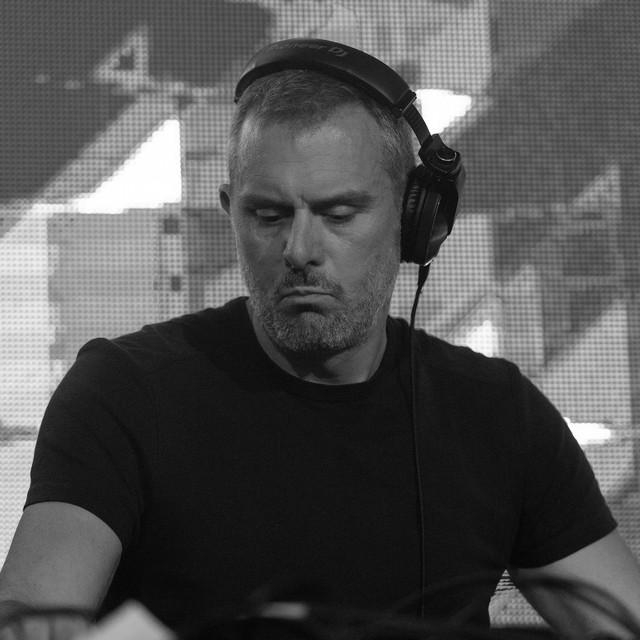
CJ Bolland’s Spotify BioBorn in Yorkshire in 1971 but transplanted to Belgium when he was only three, CJ Bolland received an early education in dance music; his parents ran a club in Antwerp, and his mother DJed there. He grew up listening to the synthesizer music of several eras -- from Jean-Michel Jarre to Front 242 and the Neon Judgement -- but began devoting most of his time to house and techno by the late '80s. Bolland began producing in 1988, when a drummer friend gave him access to the right gear, and his tracks were soon heard on several Belgian pirate radio stations. He then sent demos to several labels, and finally heard back from R&S Records.
CJ Bolland's first production for R&S, the Project's "Do That Dance," jump-started his career, and he soon saw releases from his projects Pulse, Space Opera (with the Advent's Cisco Ferreira), Cee-Jay, Ravesignal and Sonic Solution. His 1992 Ravesignal 3 EP (specifically, the track "Horsepower") made Bolland one of the hottest names in the new global dance… community.
Bolland made his album debut soon after, with The 4th Sign. His 1993-94 schedule also included production work for Mundo Muzique, Dave Angel and Joey Beltram as well as remixing for Orbital, the Prodigy, Sven Väth, Westbam, Tori Amos and Baby Ford, among others. His second album Electronic Highway was released in 1995, after which Bolland signed a mammoth five-album deal with Internal Records. The first fruits of the contract, The Analogue Theatre, were released in late 1996 to critical praise and dance-chart success, thanks to the excitable single "Sugar Is Sweeter." ~ John Bush
Viberate is a music analytics platform built for A&Rs, artist managers, labels, booking agents, marketers, and artists.
It helps music professionals track artist growth, analyze audience data, monitor playlist activity, compare artists, follow song performance, and identify opportunities across the music market.
Public artist pages provide a free preview of selected artist data. Paid plans provide access to deeper analytics, historical data, charts, comparisons, playlist tools, exports, alerts, reports, and additional professional features.
Yes. Public Viberate artist pages provide selected artist analytics and music data for free.
Viberate also offers a 7-day free trial of the full platform. A credit card is required to start the trial. The trial includes access to the complete product so users can test deeper artist analytics, historical views, playlist insights, comparisons, charts, exports, alerts, and reporting features before choosing a paid plan.
Viberate provides artist analytics across streaming, playlists, social media, video, radio airplay, songs, and audience markets.
Users can analyze Spotify performance, Spotify and Apple Music playlists, YouTube activity, TikTok and Instagram growth, radio spins, song performance, audience locations, demographics, rankings, and overall artist momentum.
Artist profiles also connect to music charts, similar artists, and comparison tools, helping users benchmark performance and evaluate artists in context.
Viberate updates key artist and track data daily.
For followed artists and tracks, selected data is refreshed multiple times per day. This helps teams monitor playlist changes, streaming movement, audience growth, releases, and campaign performance with more current data.
Update frequency can vary depending on the metric and data source.
Yes. Viberate lets users compare up to five artists side by side across streaming, social media, audience, and engagement metrics.
Users can compare fanbase growth, audience demographics, locations, Spotify performance, social metrics, and other artist data over selected time periods.
Artist comparison can be used for A&R scouting, benchmarking, booking decisions, campaign planning, and evaluating artists with similar audiences or market positions.