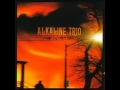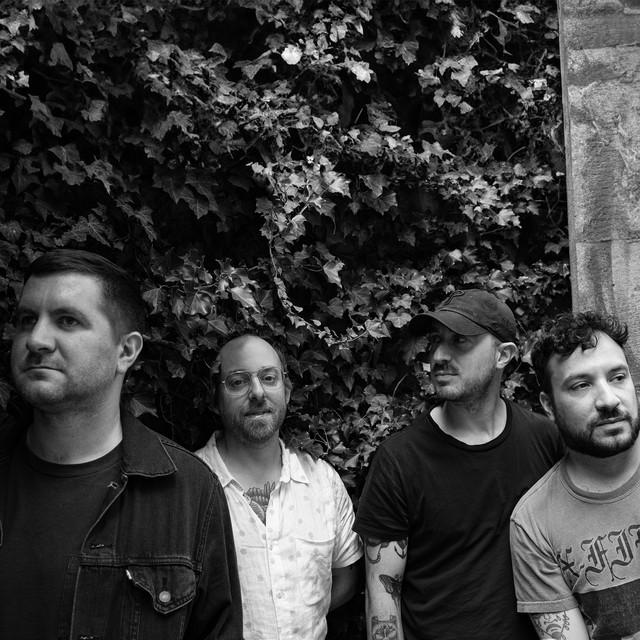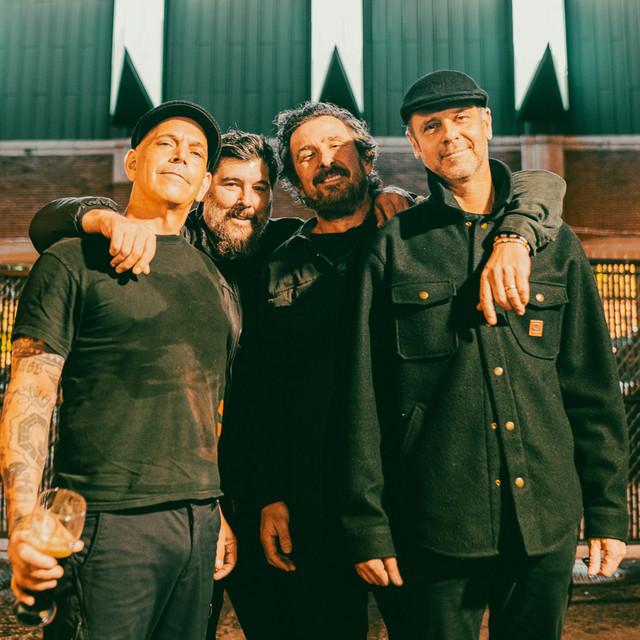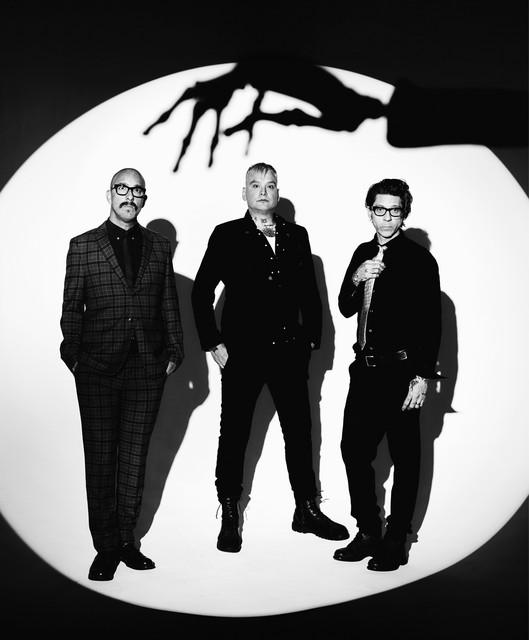
Alkaline Trio

Punk
Punk Rock
Pop Punk
 Viberate Rank: 15447
 Viberate Rank: 15447
 Monthly ListenersFollowers
 Subscribers
 Followers
 Followers
 FansTop Spotify Songs
| Track | 7-Day Streams | |
|---|---|---|
1 | 131.77K | |
2 | 75.82K | |
3 | 66.28K | |
4 | 55.84K | |
5 | 53.19K |
Top YouTube Videos| Video | 7-Day Views | |
|---|---|---|
1 | 10.91K | |
2 | 6.42K | |
3 | 5.34K | |
4 | 4.88K | |
5 | 2.38K |
Monthly ListenersFeatured in Playlists| Playlist | Followers | |
|---|---|---|
1 |  Punk Rock Workout Spotify | 542.10K |
2 | Divorced Dad Rock Gage Lippold | 480.01K |
3 |  Fidi & Bumsi Spotify | 353.24K |
4 |  The Ultimate Divorced Dad Rock Playlist Skoopa76 | 141.41K |
5 |  Still Into You Spotify | 138.25K |
Audience| City | Monthly Listeners | |
|---|---|---|
1 | | 18.41K |
2 |  | 13.59K |
3 | | 12.89K |
4 | | 11.46K |
5 | | 10.77K |
See full performance history, audience data, playlist activity, rankings, comparisons, and more in Viberate music analytics. Start with a free trial, then continue with a paid plan.
Alkaline Trio’s Spotify BioSince the mid-'90s, the punk Alkaline Trio have delivered urgent punk blasts with a dark, driving edge that helped them remain commercially viable without sacrificing their raucous spirit. Slowly ascending through the Warped Tour ranks into the early 2000s, they reached the Billboard Top 20 with 2003's mainstream breakthrough Good Mourning. They hit a peak with their seventh set This Addiction, which topped the rock, alternative, and indie charts in 2010. Later that decade, after frontman Matt Skiba took a break to join blink-182, Alkaline Trio issued their ninth LP, 2018's Is This Thing Cursed?, with Blood, Hair, and Eyeballs appearing in 2024.
Formed by ex-Jerkwater and Traitors drummer Matt Skiba (vocals/guitar), former 88 Fingers Louie percussionist Glenn Porter, and Rob Doran (bass/vocals), Alkaline Trio were brought together in late 1996 by heartbreak, angst, and the companionship of drinking. The original lineup issued a short EP, For Your Lungs Only, just prior to Doran's… departure in late 1997, and Sundials followed one year later on Johann's Face Records. Slapstick's Dan Andriano climbed aboard to handle bass duties, adding a complementary voice and songwriting style to Skiba's that would soon become the group's signature dynamic. The three then started making a name for themselves in the Midwest with their emotion-fueled, angst-ridden, dark pop-punk. With this lineup firmly in place -- and with Skiba and Porter working as bike messengers to make ends meet -- Alkaline Trio made their full-length debut in 1998 with Goddamnit!, an album whose tales of heartbreak and anti-cop rants earned a modest following.
Both Maybe I'll Catch Fire and a self-titled singles collection followed in early 1999. Glenn Porter left the band early the following year and ex-Smoking Popes drummer Mike Felumlee joined in his absence, making Alkaline Trio a three-piece again. Third album From Here to Infirmary arrived on the Vagrant label in spring 2001 and was their first to chart, barely entering the Billboard 200 at number 199. Home to tracks "Private Eye" and "Bloodied Up," Infirmary was followed by a split EP with Hot Water Music, wherein both bands contributed original tracks and covers of each other's songs.
Mainstream breakthrough Good Mourning was released two years later, marking the band's first album with drummer Derek Grant (ex-Suicide Machines, Thoughts of Ionesco). Good Mourning fared well, peaking on the Billboard 200 at number 20 and topping the Independent Albums list. Featuring their first charting single, "We've Had Enough," Good Mourning also scored Alkaline Trio several spots on late-night TV and summer tours. Crimson followed in 2005 and prompted the band to return to the road that summer, both as a headliner and as an opening act for My Chemical Romance.
As their ten-year anniversary approached, Alkaline Trio hit the road in 2006 with a set that emphasized material from their earliest releases, including an entire run-through of the fan favorite Goddamnit! By that fall, they'd also found a new home at V2 Records and began work on their next album, although label restructuring problems in January 2007 led to the band's dismissal from V2 before any material was released. That same month, Vagrant issued a CD/DVD compilation titled Remains, which rounded up B-sides and rarities, and the Trio used their downtime to secure a new home with Epic Records. They also worked on a new album, Agony & Irony, which was released that summer and debuted at number 13, marking Alkaline Trio's highest chart placement to date. Lead single "Help Me" also became their highest-charting song to date, landing at number 14 on the alternative chart. Despite such success, the Trio left Epic's roster one year later and launched their own label, Heart & Skull, which they used for the release of This Addiction in 2010. This Addiction peaked just outside the Top Ten and was notable for reuniting the band with early producer Matt Allison. The following year they released their eighth album, Damnesia, which featured acoustic renditions of some of the band's most beloved songs, as well as a pair of new tracks. In 2013, Alkaline Trio issued their eighth album, My Shame Is True, featuring production from the Descendents' Bill Stevenson.
In 2015, Skiba took a break from the band and joined blink-182 for the recording and promotion of their seventh album, California. He returned to Alkaline Trio at the end of 2017, opening a pair of pre-New Year's gigs with the Misfits. A concert video and LP box set, Past Live, arrived in early 2018, just a month before Skiba had throat surgery that kept him sidelined until the summer. Despite the setback, they recorded another album and embarked on a tour in August. Their ninth effort, Is This Thing Cursed?, arrived that same month and charted in the U.S. and the U.K. Early 2023 saw the departure of Derek Grant, the band's third and longest-serving drummer. Atom Willard stepped up as his replacement ahead of the Rise Records-issued Blood, Hair, and Eyeballs, which was released in January 2024. The band's tenth studio album (and Grant's last studio appearance), it was produced by Cameron Webb and just cracked the Billboard 200 at 188.~ Mike DaRonco & Neil Z. Yeung
Viberate is a music analytics platform built for A&Rs, artist managers, labels, booking agents, marketers, and artists.
It helps music professionals track artist growth, analyze audience data, monitor playlist activity, compare artists, follow song performance, and identify opportunities across the music market.
Public artist pages provide a free preview of selected artist data. Paid plans provide access to deeper analytics, historical data, charts, comparisons, playlist tools, exports, alerts, reports, and additional professional features.
Yes. Public Viberate artist pages provide selected artist analytics and music data for free.
Viberate also offers a 7-day free trial of the full platform. A credit card is required to start the trial. The trial includes access to the complete product so users can test deeper artist analytics, historical views, playlist insights, comparisons, charts, exports, alerts, and reporting features before choosing a paid plan.
Viberate provides artist analytics across streaming, playlists, social media, video, radio airplay, songs, and audience markets.
Users can analyze Spotify performance, Spotify and Apple Music playlists, YouTube activity, TikTok and Instagram growth, radio spins, song performance, audience locations, demographics, rankings, and overall artist momentum.
Artist profiles also connect to music charts, similar artists, and comparison tools, helping users benchmark performance and evaluate artists in context.
Viberate updates key artist and track data daily.
For followed artists and tracks, selected data is refreshed multiple times per day. This helps teams monitor playlist changes, streaming movement, audience growth, releases, and campaign performance with more current data.
Update frequency can vary depending on the metric and data source.
Yes. Viberate lets users compare up to five artists side by side across streaming, social media, audience, and engagement metrics.
Users can compare fanbase growth, audience demographics, locations, Spotify performance, social metrics, and other artist data over selected time periods.
Artist comparison can be used for A&R scouting, benchmarking, booking decisions, campaign planning, and evaluating artists with similar audiences or market positions.