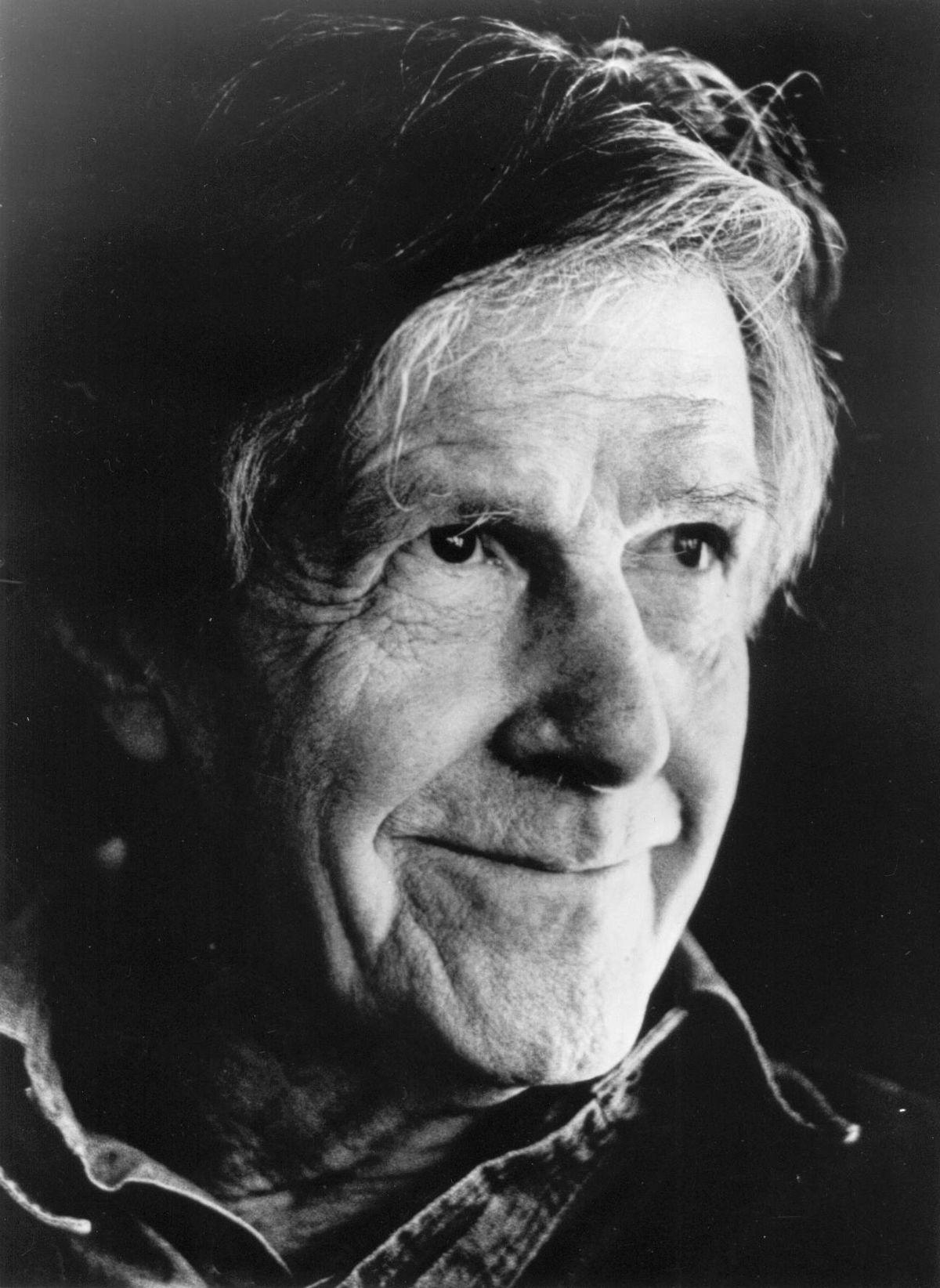
Alexei Lubimov

Classical
Classical Crossover
 Viberate Rank: 231343
 Viberate Rank: 231343
 Monthly ListenersFollowers
 Subscribers
 Followers
 Followers
 FansTop Spotify SongsTop YouTube VideosMonthly ListenersFeatured in Playlists
| Playlist | Followers | |
|---|---|---|
1 |  Chilled Classical Spotify | 888.58K |
2 |  Classical Study Music for Focus 🎻🎶 Prime Feelings | 191.88K |
3 |  This Is Satie Spotify | 163.02K |
4 |  funeral Ryuichi Sakamoto | 110.89K |
5 |  The Sound of Everything The Sounds of Spotify | 53.83K |
Audience| City | Monthly Listeners | |
|---|---|---|
1 |  | 874 |
2 |  | 645 |
3 |  | 605 |
4 |  | 498 |
5 |  | 477 |
See full performance history, audience data, playlist activity, rankings, comparisons, and more in Viberate music analytics. Start with a free trial, then continue with a paid plan.
Alexei Lubimov’s Spotify BioAlexei Lubimov is one of Russia's most prolific and versatile pianists, with a repertory ranging from early music to the 20th century avant-garde. He also plays the harpsichord and fortepiano.
Lubimov was born in Moscow in 1944. He studied at the Moscow Central Music School and entered the Moscow Conservatory in 1963; his teachers there were Heinrich Neuhaus and Lev Naumov. His interests there included both Baroque music and 20th century music as well as conventional repertory. In spite of disapproval from Soviet authorities, Lubimov gave the Soviet premieres of works by Charles Ives, Arnold Schoenberg, Karlheinz Stockhausen, and other members of the 20th century Western avant-garde. As a result, he was banned from traveling outside the Soviet Union for some years. Instead, he developed his abilities in playing period instruments and in historical performance practice, both rare in the Soviet Union at the time. He founded the Moscow Baroque Quartet and co-founded the Moscow Chamber… Academy, and he organized an avant-garde music festival called Alternativa. In 1990, playing fortepiano, Lubimov began releasing a complete cycle of Mozart's keyboard sonatas on the Erato label.
Lubimov went on to record for a great variety of other labels, including BIS, Zig Zag Territoires, and Alpha. He has issued recordings of music by John Cage and other 20th century composers on the ECM label. Lubimov has been in demand as a concerto soloist, appearing with such groups as the Orchestra of the Age of Enlightenment, the London Philharmonic, and the Finnish Radio Symphony Orchestra, with which he toured Europe, performing Rachmaninov's four piano concertos. He is active as a chamber music player, performing with such notable partners as violinist Christian Tetzlaff, viola da gamba player Wieland Kuijken, and tenor Peter Schreier. Lubimov has continued to record prolifically, and by the early 2020s, his catalog comprised well over 50 albums. In 2022, he issued an album of music by Valentin Silvestrov on Erato and the album John Cage: Four Walls on the Fuga Libera label. That year, he was arrested as he finished an antiwar concert in Moscow. ~ James Manheim, Rovi
Viberate is a music analytics platform built for A&Rs, artist managers, labels, booking agents, marketers, and artists.
It helps music professionals track artist growth, analyze audience data, monitor playlist activity, compare artists, follow song performance, and identify opportunities across the music market.
Public artist pages provide a free preview of selected artist data. Paid plans provide access to deeper analytics, historical data, charts, comparisons, playlist tools, exports, alerts, reports, and additional professional features.
Yes. Public Viberate artist pages provide selected artist analytics and music data for free.
Viberate also offers a 7-day free trial of the full platform. A credit card is required to start the trial. The trial includes access to the complete product so users can test deeper artist analytics, historical views, playlist insights, comparisons, charts, exports, alerts, and reporting features before choosing a paid plan.
Viberate provides artist analytics across streaming, playlists, social media, video, radio airplay, songs, and audience markets.
Users can analyze Spotify performance, Spotify and Apple Music playlists, YouTube activity, TikTok and Instagram growth, radio spins, song performance, audience locations, demographics, rankings, and overall artist momentum.
Artist profiles also connect to music charts, similar artists, and comparison tools, helping users benchmark performance and evaluate artists in context.
Viberate updates key artist and track data daily.
For followed artists and tracks, selected data is refreshed multiple times per day. This helps teams monitor playlist changes, streaming movement, audience growth, releases, and campaign performance with more current data.
Update frequency can vary depending on the metric and data source.
Yes. Viberate lets users compare up to five artists side by side across streaming, social media, audience, and engagement metrics.
Users can compare fanbase growth, audience demographics, locations, Spotify performance, social metrics, and other artist data over selected time periods.
Artist comparison can be used for A&R scouting, benchmarking, booking decisions, campaign planning, and evaluating artists with similar audiences or market positions.