Alexander Vedernikov

Classical
Orchestral
Chamber Music
 Viberate Rank: 219829
 Viberate Rank: 219829
 Monthly ListenersFollowers
 Subscribers
 Followers
 Followers
 FansTop Spotify Songs
| Track | 7-Day Streams | |
|---|---|---|
1 | 1.68K | |
2 | 318 | |
3 | 250 | |
4 | 146 | |
5 | 143 |
Top YouTube VideosMonthly ListenersFeatured in Playlists| Playlist | Followers | |
|---|---|---|
1 |  This Is Alexander Glazunov Spotify | 9.04K |
2 |  Martha Argerich - Best of Deutsche Grammophon (DG) | 5.07K |
3 | The Blacklist 1-9 ( + 10) Simone | 2.55K |
4 |  The Best Opera Playlist Ever Emilio José Gómez Rodríguez | 2.10K |
5 |  Barbie Ballet Songs Giovana Varotti | 2.10K |
Audience| City | Monthly Listeners | |
|---|---|---|
1 |  | 487 |
2 | | 168 |
3 | | 126 |
4 |  | 121 |
5 |  | 115 |
See full performance history, audience data, playlist activity, rankings, comparisons, and more in Viberate music analytics. Start with a free trial, then continue with a paid plan.
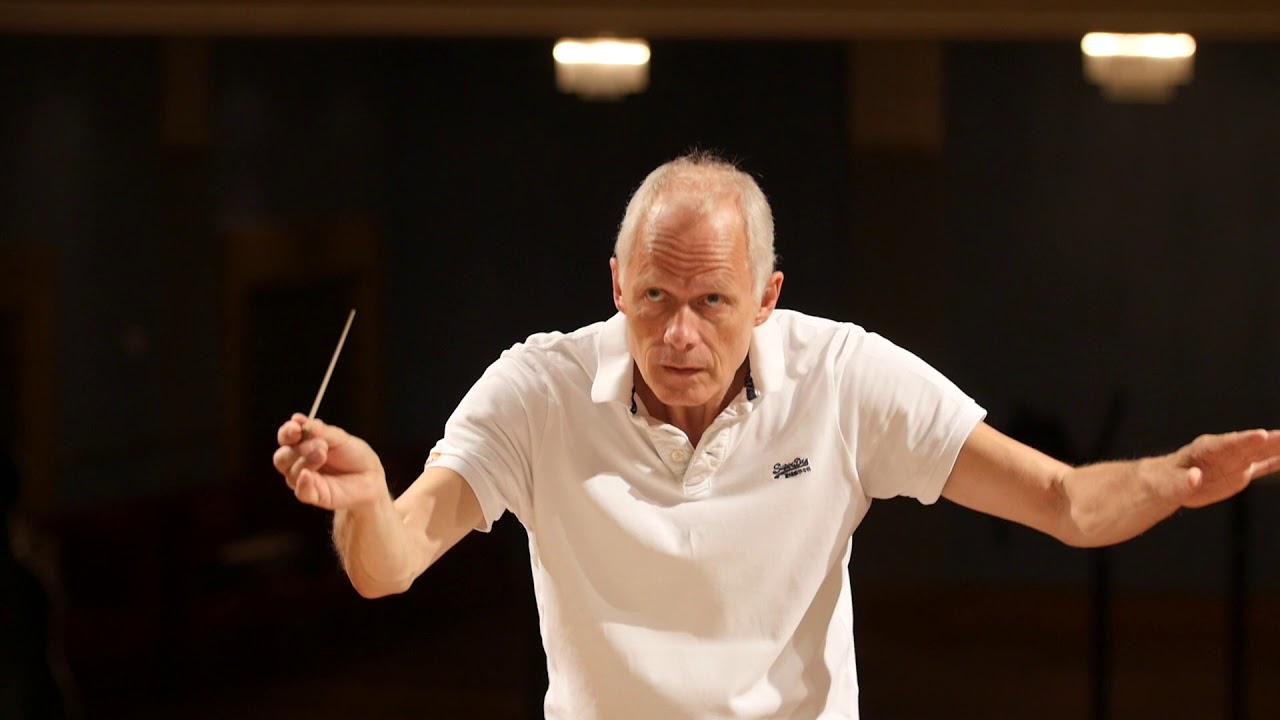
Alexander Vedernikov’s Spotify BioConductor Alexander Vedernikov was equally prominent in the fields of opera and orchestral music, in both his home country of Russia and in the West. As music director of the Bolshoi Theatre in the 2000s decade, he led that venue's famed orchestra in new directions.
Vedernikov was born in Moscow on January 11, 1964. His parents were both musicians at the highest level: his father, Alexander Filipovich Vedernikov, was a major bass singer of the Soviet era, and his mother taught organ at the Moscow Conservatory. Vedernikov attended the conservatory himself, graduating in 1988. His first conducting posts were at the Stanislavski and Nemirovich-Danchencko Moscow Academic Music Theatre (1988-1991) and the Tchaikovsky Symphony Orchestra of Moscow Radio (1988-1995). At that point, Vedernikov established his own Russian Philharmonia Symphony Orchestra, leading it until 2004.
The beginnings of Vedernikov's Western career also date to the 1990s: he made guest appearances with orchestras in Rome,… Turin, and Milan, leading Russian ballets. He specialized in Russian music, both mainstream and contemporary. In 2001, he was named music director of the Bolshoi Theatre in Moscow. There, he raised the orchestra's quality and inaugurated performances of orchestral as well as theatrical music. His tenure at the Bolshoi came to an end in 2009 when he resigned, citing disagreements with the institution's management, but by then, he had other irons in the fire. Vedernikov became the chief conductor of Denmark's Odense Symphony Orchestra in 2009. In 2017, he became the chief conductor at the Royal Danish Opera. Vedernikov also amassed a long list of guest conducting appearances, both in the West (the London Philharmonic, and the BBC Symphony, among many others) and in Russia (including the Russian National Orchestra, which he led in concerts at Carnegie Hall in New York and Kennedy Center in Washington). He recorded for PentaTone, Naxos, Melodiya, and other labels. In 2019, Vedernikov was heard with Martha Argerich, a frequent collaborator, in a new recording of Rachmaninov's Piano Concerto No. 2 in C minor, Op. 18, on the Warner Classics label. Vedernikov died on October 29, 2020, a victim of the COVID-19 pandemic.
Viberate is a music analytics platform built for A&Rs, artist managers, labels, booking agents, marketers, and artists.
It helps music professionals track artist growth, analyze audience data, monitor playlist activity, compare artists, follow song performance, and identify opportunities across the music market.
Public artist pages provide a free preview of selected artist data. Paid plans provide access to deeper analytics, historical data, charts, comparisons, playlist tools, exports, alerts, reports, and additional professional features.
Yes. Public Viberate artist pages provide selected artist analytics and music data for free.
Viberate also offers a 7-day free trial of the full platform. A credit card is required to start the trial. The trial includes access to the complete product so users can test deeper artist analytics, historical views, playlist insights, comparisons, charts, exports, alerts, and reporting features before choosing a paid plan.
Viberate provides artist analytics across streaming, playlists, social media, video, radio airplay, songs, and audience markets.
Users can analyze Spotify performance, Spotify and Apple Music playlists, YouTube activity, TikTok and Instagram growth, radio spins, song performance, audience locations, demographics, rankings, and overall artist momentum.
Artist profiles also connect to music charts, similar artists, and comparison tools, helping users benchmark performance and evaluate artists in context.
Viberate updates key artist and track data daily.
For followed artists and tracks, selected data is refreshed multiple times per day. This helps teams monitor playlist changes, streaming movement, audience growth, releases, and campaign performance with more current data.
Update frequency can vary depending on the metric and data source.
Yes. Viberate lets users compare up to five artists side by side across streaming, social media, audience, and engagement metrics.
Users can compare fanbase growth, audience demographics, locations, Spotify performance, social metrics, and other artist data over selected time periods.
Artist comparison can be used for A&R scouting, benchmarking, booking decisions, campaign planning, and evaluating artists with similar audiences or market positions.