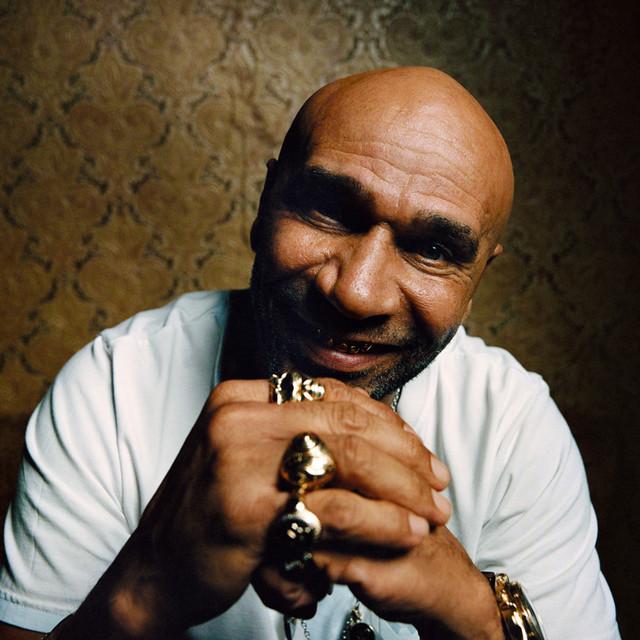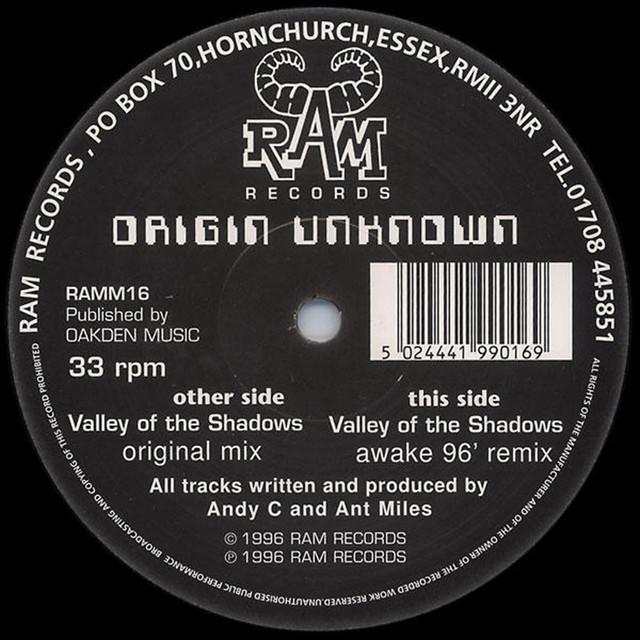
Alex Reece

Electronic
Downtempo
Drum & Bass
 Viberate Rank: 128870
 Viberate Rank: 128870
 Monthly ListenersFollowers
 Subscribers
 Followers
 Followers
 FansTop Spotify Songs
| Track | 7-Day Streams | |
|---|---|---|
1 | 35.18K | |
2 | 5.79K | |
3 | 4.54K | |
4 | 3.78K | |
5 | 2.52K |
Top YouTube VideosMonthly ListenersFeatured in Playlists| Playlist | Followers | |
|---|---|---|
1 |  audífonos con cable Spotify | 414.99K |
2 |  Rave Classics Spotify | 374.22K |
3 |  Jungle Classics Spotify | 102.40K |
4 | 90s JUNGLE CLASSICS Kurt | 92.63K |
5 |  Drum & Bass Classics 90s (1995-2006) - Jungle Classics 90s oppositemarco | 79.15K |
Audience| City | Monthly Listeners | |
|---|---|---|
1 | | 10.77K |
2 | | 3.23K |
3 | | 2.32K |
4 | | 1.88K |
5 |  | 1.79K |
See full performance history, audience data, playlist activity, rankings, comparisons, and more in Viberate music analytics. Start with a free trial, then continue with a paid plan.
Alex Reece’s Spotify BioReece began DJing in the late 1980s. In 1992, Jack Smooth offered Reece a studio job, and Reece went on to engineer for Smooth on many of the early Basement Records releases. Reece first tried producing techno with his brother, Oscar Reece under the name of XE-DUS but graduated to Jungle. Though his preferred genres were acid house and detroit techno, Reece become known for jungle music in the early -1990s
His initial releases appeared under the name of The Reece Project, Liquid Wax, Basement Records and Creative Wax labels. Reece made his name with MetalHeadz Records with single releases "Basic Principles" (1994) and "Pulp Fiction" (1995). His pioneering two-step break and Reese Bassline used in "Pulp Fiction" became Drum and Bass Standards, showcasing his minimalist style, a sound partly inspired by his fix on acid house. In fact, the case might be made that Reece's music isn't jungle at all, since his beats are steady.
No matter if he's a junglist, technojunglist, Reece cemented his… reputation well with additional recordings as Jazz Juice for Precious Materials, Lunar Funk for Mo'Wax. In early 1995, he landed a major deal with Island Records who signed him and his debut album So Far was released in September 1996 with 2 Singles previously released making introductory Drum&Bass chart success. He is now back working on new drum and bass music with his brother Stewart Reece under the Metalheadz label. ~ John Bush
Management Booking:-
reeceenterprises@btinternet.com
Viberate is a music analytics platform built for A&Rs, artist managers, labels, booking agents, marketers, and artists.
It helps music professionals track artist growth, analyze audience data, monitor playlist activity, compare artists, follow song performance, and identify opportunities across the music market.
Public artist pages provide a free preview of selected artist data. Paid plans provide access to deeper analytics, historical data, charts, comparisons, playlist tools, exports, alerts, reports, and additional professional features.
Yes. Public Viberate artist pages provide selected artist analytics and music data for free.
Viberate also offers a 7-day free trial of the full platform. A credit card is required to start the trial. The trial includes access to the complete product so users can test deeper artist analytics, historical views, playlist insights, comparisons, charts, exports, alerts, and reporting features before choosing a paid plan.
Viberate provides artist analytics across streaming, playlists, social media, video, radio airplay, songs, and audience markets.
Users can analyze Spotify performance, Spotify and Apple Music playlists, YouTube activity, TikTok and Instagram growth, radio spins, song performance, audience locations, demographics, rankings, and overall artist momentum.
Artist profiles also connect to music charts, similar artists, and comparison tools, helping users benchmark performance and evaluate artists in context.
Viberate updates key artist and track data daily.
For followed artists and tracks, selected data is refreshed multiple times per day. This helps teams monitor playlist changes, streaming movement, audience growth, releases, and campaign performance with more current data.
Update frequency can vary depending on the metric and data source.
Yes. Viberate lets users compare up to five artists side by side across streaming, social media, audience, and engagement metrics.
Users can compare fanbase growth, audience demographics, locations, Spotify performance, social metrics, and other artist data over selected time periods.
Artist comparison can be used for A&R scouting, benchmarking, booking decisions, campaign planning, and evaluating artists with similar audiences or market positions.