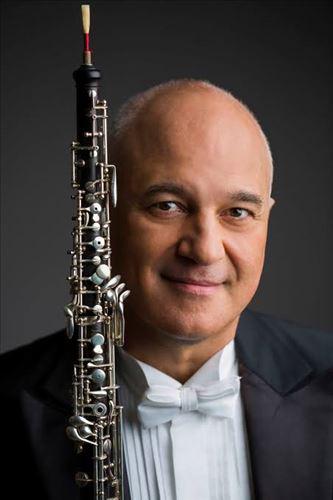
Alex Klein

Classical
Orchestral
Chamber Music
 Viberate Rank: 505685
 Viberate Rank: 505685
 Monthly ListenersFollowers
 Subscribers
 Followers
 Followers
 FansTop Spotify SongsTop YouTube VideosMonthly ListenersFeatured in Playlists
| Playlist | Followers | |
|---|---|---|
1 |  Classical Instrumental and Vocal Music EMITHA | 183.66K |
2 |  Film, Soundtracks and Movie Scores EMITHA | 151.00K |
3 |  Classical Music for the Soul EMITHA | 127.22K |
4 |  Classical/Orchestral Music Max William Lewis | 67.99K |
5 |  Dramatic Classical and Classical Bangers EMITHA | 48.67K |
Audience| City | Monthly Listeners | |
|---|---|---|
1 |  | 118 |
2 |  | 71 |
3 |  | 66 |
4 |  | 66 |
5 |  | 49 |
See full performance history, audience data, playlist activity, rankings, comparisons, and more in Viberate music analytics. Start with a free trial, then continue with a paid plan.
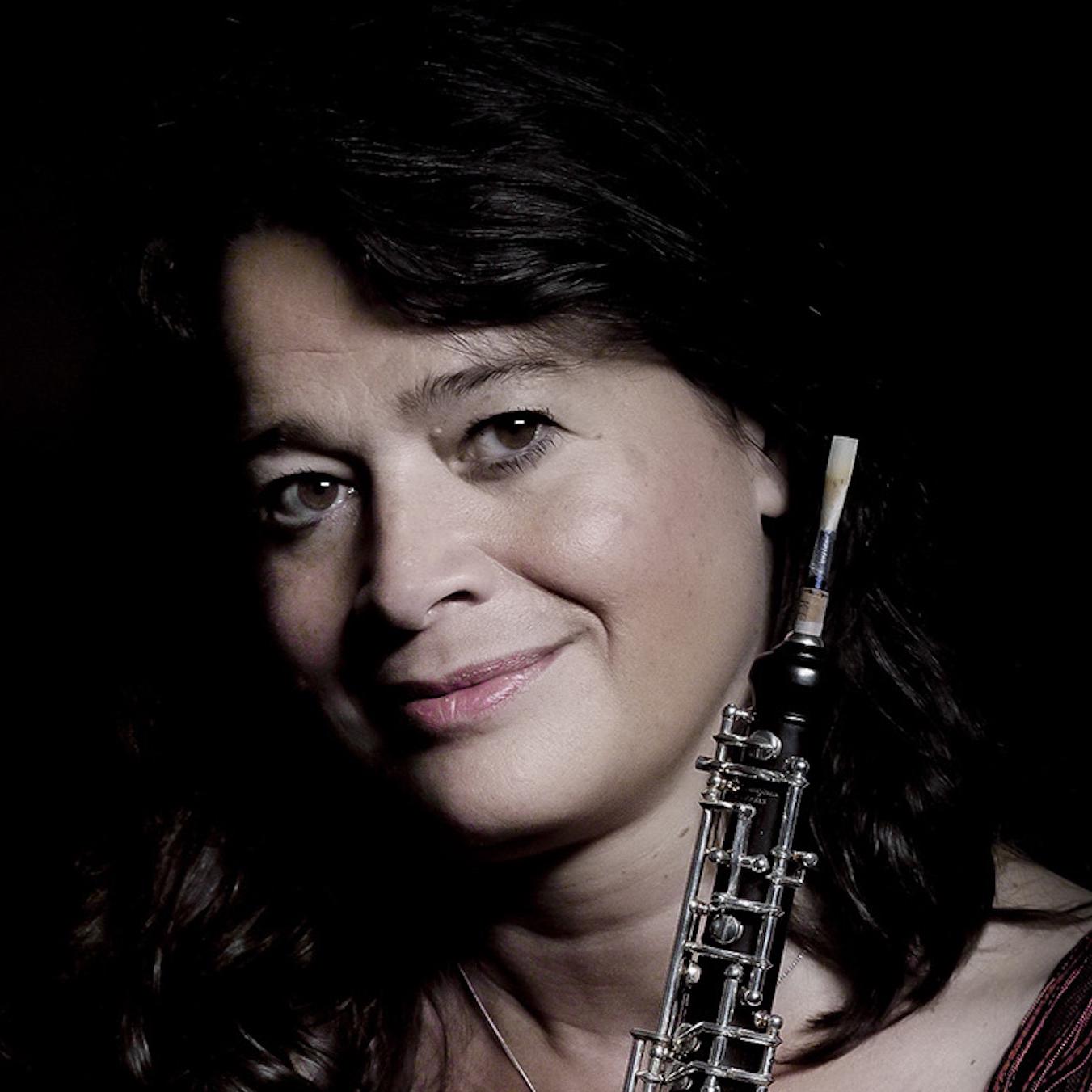
Alex Klein’s Spotify BioAlex Klein was the longtime principal oboist of the Chicago Symphony Orchestra and has made many recordings. He is the artistic director of several festivals and has continued to perform and record, including the album When There Are No Words... Revolutionary Works for Oboe and Piano in 2022.
Klein was born in Porto Alegre, Brazil, in 1964 and grew up in the city of Curitiba. He was immediately attracted to the oboe but did not have the wherewithal to obtain an instrument immediately. So at age nine, he started on the recorder and also began the difficult task of mastering the oboe's temperamental reed, practicing that at home without the instrument to the annoyance of neighbors. Soon, he was making rapid progress; at 11, he joined the Brazilian chamber ensemble Camerata Antigua. Klein performed widely in Brazil as a teenager. He then moved to the U.S. for studies at the Oberlin Conservatory with James Caldwell, earning a bachelor's degree in music and an artist diploma. Prizes helped… his career along, including those at the Lucarelli International Competition for Solo Oboe Players at New York's Carnegie Hall and the 1988 International Competition for Musical Performers Geneva International Music Competition in Geneva, Switzerland (where he was the first oboist to win first prize since the famed Heinz Holliger). Klein taught at the University of Washington and performed in the Seattle area from 1992 to 1994. In 1995, he became the principal oboist of the Chicago Symphony Orchestra and moved to Chicago. In addition to recording many albums with the orchestra, Klein began to make solo albums on the Cedille label; in 1999, he released his debut, Oboe Concertos of the Classical Era, with the Czech National Symphony Orchestra under conductor Paul Freeman. In 2002, he snared a Grammy Award for Best Instrumental Performance for the Chicago Symphony's recording of Richard Strauss' Oboe Concerto.
Klein also appeared with other orchestras, including the Philadelphia Orchestra, the Orchestre de la Suisse Romande, and the Chicago Sinfonietta, but during this period, he began to suffer the effects of focal dystonia. He resigned his Chicago Symphony chair in 2005 but continued to perform and record, adjusting his playing to compensate for the problems caused by the disorder. A recording of Vivaldi oboe concertos appeared on Cedille in 2010. Klein returned to the Chicago Symphony in 2016 but departed once again the following year. In 2018, he became the principal oboist of the Calgary Philharmonic; he continued to hold that position as of the early 2020s. In 2019, joined by regular accompanist Phillip Bush, Klein released the album Twentieth Century Oboe Sonatas on Cedille; it was followed in 2022 by When There Are No Words... Revolutionary Works for Oboe and Piano. Klein has taught at Oberlin College and Northwestern University. He is the artistic director of festivals in Brazil, the U.S., and the French Antilles. ~ James Manheim, Rovi
Viberate is a music analytics platform built for A&Rs, artist managers, labels, booking agents, marketers, and artists.
It helps music professionals track artist growth, analyze audience data, monitor playlist activity, compare artists, follow song performance, and identify opportunities across the music market.
Public artist pages provide a free preview of selected artist data. Paid plans provide access to deeper analytics, historical data, charts, comparisons, playlist tools, exports, alerts, reports, and additional professional features.
Yes. Public Viberate artist pages provide selected artist analytics and music data for free.
Viberate also offers a 7-day free trial of the full platform. A credit card is required to start the trial. The trial includes access to the complete product so users can test deeper artist analytics, historical views, playlist insights, comparisons, charts, exports, alerts, and reporting features before choosing a paid plan.
Viberate provides artist analytics across streaming, playlists, social media, video, radio airplay, songs, and audience markets.
Users can analyze Spotify performance, Spotify and Apple Music playlists, YouTube activity, TikTok and Instagram growth, radio spins, song performance, audience locations, demographics, rankings, and overall artist momentum.
Artist profiles also connect to music charts, similar artists, and comparison tools, helping users benchmark performance and evaluate artists in context.
Viberate updates key artist and track data daily.
For followed artists and tracks, selected data is refreshed multiple times per day. This helps teams monitor playlist changes, streaming movement, audience growth, releases, and campaign performance with more current data.
Update frequency can vary depending on the metric and data source.
Yes. Viberate lets users compare up to five artists side by side across streaming, social media, audience, and engagement metrics.
Users can compare fanbase growth, audience demographics, locations, Spotify performance, social metrics, and other artist data over selected time periods.
Artist comparison can be used for A&R scouting, benchmarking, booking decisions, campaign planning, and evaluating artists with similar audiences or market positions.