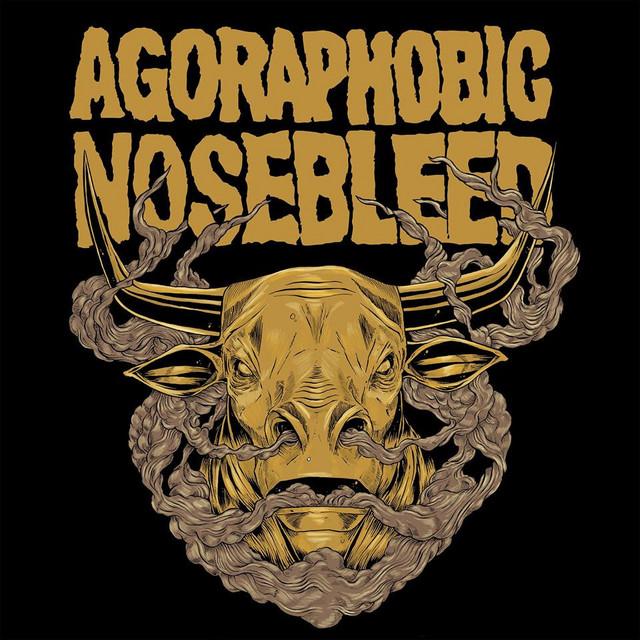
Agoraphobic Nosebleed

Metal
Grindcore
 Viberate Rank: 129848
 Viberate Rank: 129848
 Monthly ListenersFollowers
 Subscribers
 Followers
 Followers
 FansTop Spotify Songs
| Track | 7-Day Streams | |
|---|---|---|
1 | 2.03K | |
2 | 1.44K | |
3 | 1.12K | |
4 | 895 | |
5 | 840 |
Top YouTube VideosMonthly ListenersFeatured in Playlists| Playlist | Followers | |
|---|---|---|
1 |  The Sound of Everything The Sounds of Spotify | 53.83K |
2 |  Ultimate Sludge Metal Loudwire | 30.15K |
3 |  GRINDCORE TeoDaCasteo | 16.57K |
4 | Grindcore classics MillisKav | 16.14K |
5 | MEATCANYON Hunter August Hancock | 9.65K |
Audience| City | Monthly Listeners | |
|---|---|---|
1 | | 288 |
2 | | 281 |
3 | | 192 |
4 |  | 180 |
5 | | 177 |
See full performance history, audience data, playlist activity, rankings, comparisons, and more in Viberate music analytics. Start with a free trial, then continue with a paid plan.
Agoraphobic Nosebleed’s Spotify BioHeaded by guitarist/bassist/drum programmer Scott Hull (also of Pig Destroyer and formerly of A.C. as well), grindcore nut-cases Agoraphobic Nosebleed have existed in various forms since 1994. Their bleak, punishing sound mixes together caustic vocals, harsh (and inhumanly fast) drum-machine beats, and Hull's Earache-schooled guitar riffing. Their songs are short and compact, in most cases clocking in at less than a minute long. Their lyrics are often as unorthodox and/or inscrutable as the band's name and song titles (e.g., "Chalking the Temporal God Module," "The Fatter You Fall Behind," "Lives Ruined Through Sex") would seem to suggest. Topics such as crackpot apocalypse theories, homophobia and misogyny, drug conspiracies, mind control, rampant capitalism and consumerism, and bio-terrorism have all surfaced in their songs; and are often addressed in ambiguous, free-associative ways, interspersed with plenty of tasteless scatological outbursts, sometimes with a humorous slant and… sometimes not.
Following a few split and EP releases and a couple of lineup shifts, Agoraphobic Nosebleed's first "full-length" -- the 26-song, 19-minute Honky Reduction -- came out in 1998 on Relapse Records and was recorded by the lineup of Hull and vocalist/electronics manipulator Jay Randall. The following year saw the release of a 6" EP entitled PCP Tornado as well as a split CD with the Boston, MA, hardcore band Converge entitled The Poacher Diaries. For The Poacher Diaries, Agoraphobic Nosebleed's lineup was expanded to include a second vocalist, J.R. Hayes (also the lead vocalist for Pig Destroyer). Agoraphobic Nosebleed's second full-length, the long-promised Frozen Corpse Stuffed With Dope, finally came out in 2002, once again on Relapse. This time around, Hull and Randall were officially joined by vocalist Carl Schultz and bassist/vocalist Richard Johnson (of Enemy Soil and the Index, and also a member of Agoraphobic Nosebleed in their earlier days). The album also featured guest vocal appearances by Hayes as well as members of Benumb, Necrophagia, Cephalic Carnage, and Brutal Truth. ~ William York, Rovi
Viberate is a music analytics platform built for A&Rs, artist managers, labels, booking agents, marketers, and artists.
It helps music professionals track artist growth, analyze audience data, monitor playlist activity, compare artists, follow song performance, and identify opportunities across the music market.
Public artist pages provide a free preview of selected artist data. Paid plans provide access to deeper analytics, historical data, charts, comparisons, playlist tools, exports, alerts, reports, and additional professional features.
Yes. Public Viberate artist pages provide selected artist analytics and music data for free.
Viberate also offers a 7-day free trial of the full platform. A credit card is required to start the trial. The trial includes access to the complete product so users can test deeper artist analytics, historical views, playlist insights, comparisons, charts, exports, alerts, and reporting features before choosing a paid plan.
Viberate provides artist analytics across streaming, playlists, social media, video, radio airplay, songs, and audience markets.
Users can analyze Spotify performance, Spotify and Apple Music playlists, YouTube activity, TikTok and Instagram growth, radio spins, song performance, audience locations, demographics, rankings, and overall artist momentum.
Artist profiles also connect to music charts, similar artists, and comparison tools, helping users benchmark performance and evaluate artists in context.
Viberate updates key artist and track data daily.
For followed artists and tracks, selected data is refreshed multiple times per day. This helps teams monitor playlist changes, streaming movement, audience growth, releases, and campaign performance with more current data.
Update frequency can vary depending on the metric and data source.
Yes. Viberate lets users compare up to five artists side by side across streaming, social media, audience, and engagement metrics.
Users can compare fanbase growth, audience demographics, locations, Spotify performance, social metrics, and other artist data over selected time periods.
Artist comparison can be used for A&R scouting, benchmarking, booking decisions, campaign planning, and evaluating artists with similar audiences or market positions.