Acker Bilk

Jazz
Smooth Jazz
Indie Pop
 Viberate Rank: 67121
 Viberate Rank: 67121
 Monthly ListenersFollowers
 Subscribers
 Followers
 Followers
 FansTop Spotify Songs
| Track | 7-Day Streams | |
|---|---|---|
1 | 22.96K | |
2 | 17.34K | |
3 | 15.68K | |
4 | 9.65K | |
5 | 9.47K |
Top YouTube VideosMonthly ListenersFeatured in Playlists| Playlist | Followers | |
|---|---|---|
1 |  Classic Easy Listening Spotify | 146.40K |
2 |  Dixieland Classics Filtr Legacy Sweden | 46.34K |
3 |  Sixties 100 Greatest Hits ANDREW HARRY BRIGGS | 37.22K |
4 |  Essential Classics Essential Classics | 31.39K |
5 | Songs: Mad Men Kenneth Lorence | 30.53K |
Audience| City | Monthly Listeners | |
|---|---|---|
1 | | 3.02K |
2 |  | 2.38K |
3 | | 2.22K |
4 | | 1.81K |
5 | | 1.30K |
See full performance history, audience data, playlist activity, rankings, comparisons, and more in Viberate music analytics. Start with a free trial, then continue with a paid plan.
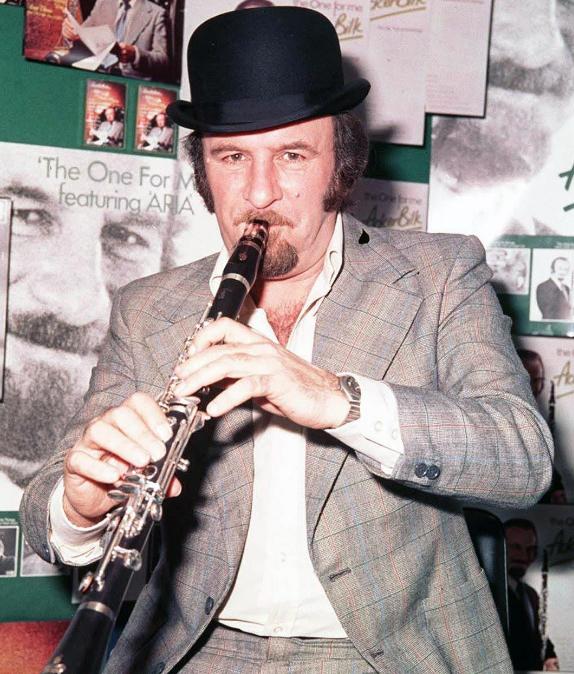
Acker Bilk’s Spotify BioAcker Bilk -- or Mr. Acker Bilk, as he was billed -- has won immortality on rock oldies radio for his surprise 1962 hit "Stranger on the Shore," an evocative ballad featuring his heavily quavering low-register clarinet over a bank of strings. To the jazz world, though, he has a longer-running track record as one of the biggest stars of Britain's trad jazz boom, playing in a distinctive early New Orleans manner. After learning his instrument in the British Army, Bilk joined Ken Colyer's trad band in 1954 before stepping out on his own in 1956. By 1960, a record of his, "Summer Set" -- a pun on the name of his home county -- landed on the British pop charts, and Bilk was on his way, clad in the Edwardian clothing and bowler hats that his publicist told his Paramount Jazz Band to wear. Several other British hits followed, but none bigger than "Stranger," which Bilk wrote for his daughter Jenny. The single stayed 55 weeks on the British charts and crossed the sea to America, where it hit… number one in an era when radio was open to oddball records of all idioms (Bilk gratefully called "Stranger" "my old-age pension"). Released on English Columbia in Britain, several Bilk albums came out in America on the Atco label, and he continued to have hits until the British rock invasion of 1964 made trad seem quaint. With that, Bilk moved into cabaret and continued to have some success in Europe, leading jazz bands, recording with lush string ensembles, and even scoring another hit, "Aria" (number five in Britain), in 1976. Continuing to perform through the 2000s, Bilk slackened his pace so that he could pursue, like Miles Davis, a hobby of painting. ~ Richard S. Ginell, Rovi
Viberate is a music analytics platform built for A&Rs, artist managers, labels, booking agents, marketers, and artists.
It helps music professionals track artist growth, analyze audience data, monitor playlist activity, compare artists, follow song performance, and identify opportunities across the music market.
Public artist pages provide a free preview of selected artist data. Paid plans provide access to deeper analytics, historical data, charts, comparisons, playlist tools, exports, alerts, reports, and additional professional features.
Yes. Public Viberate artist pages provide selected artist analytics and music data for free.
Viberate also offers a 7-day free trial of the full platform. A credit card is required to start the trial. The trial includes access to the complete product so users can test deeper artist analytics, historical views, playlist insights, comparisons, charts, exports, alerts, and reporting features before choosing a paid plan.
Viberate provides artist analytics across streaming, playlists, social media, video, radio airplay, songs, and audience markets.
Users can analyze Spotify performance, Spotify and Apple Music playlists, YouTube activity, TikTok and Instagram growth, radio spins, song performance, audience locations, demographics, rankings, and overall artist momentum.
Artist profiles also connect to music charts, similar artists, and comparison tools, helping users benchmark performance and evaluate artists in context.
Viberate updates key artist and track data daily.
For followed artists and tracks, selected data is refreshed multiple times per day. This helps teams monitor playlist changes, streaming movement, audience growth, releases, and campaign performance with more current data.
Update frequency can vary depending on the metric and data source.
Yes. Viberate lets users compare up to five artists side by side across streaming, social media, audience, and engagement metrics.
Users can compare fanbase growth, audience demographics, locations, Spotify performance, social metrics, and other artist data over selected time periods.
Artist comparison can be used for A&R scouting, benchmarking, booking decisions, campaign planning, and evaluating artists with similar audiences or market positions.