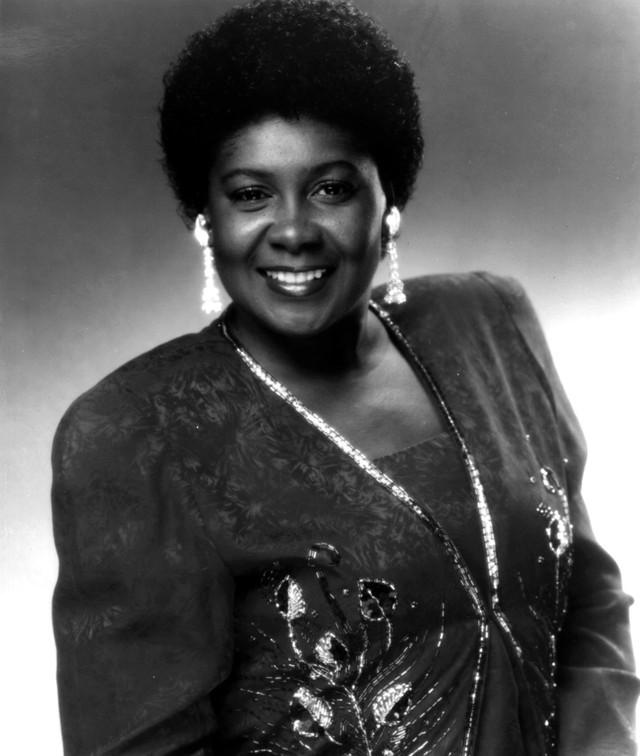
Aaron Neville

R&B
Contemporary R&B
Soul
Funk
 Viberate Rank: 14486
 Viberate Rank: 14486
 Monthly ListenersFollowers
 Subscribers
 Followers
 Followers
 FansTop Spotify Songs
| Track | 7-Day Streams | |
|---|---|---|
1 | 456.26K | |
2 | 234.86K | |
3 | 114.20K | |
4 | 75.01K | |
5 | 41.64K |
Top YouTube VideosMonthly ListenersFeatured in Playlists| Playlist | Followers | |
|---|---|---|
1 |  Love Ballads Spotify | 2.20M |
2 |  70s Soul Classics Spotify | 1.88M |
3 |  Soft 80s Spotify | 1.76M |
4 |  The Black Power Mixtape 1967–1975 Spotify | 834.24K |
5 |  OLD LOVE SONGS 80's-90's meaghan b. | 503.24K |
Audience| City | Monthly Listeners | |
|---|---|---|
1 | | 31.38K |
2 |  | 21.42K |
3 | | 13.44K |
4 |  | 11.63K |
5 | | 11.53K |
See full performance history, audience data, playlist activity, rankings, comparisons, and more in Viberate music analytics. Start with a free trial, then continue with a paid plan.
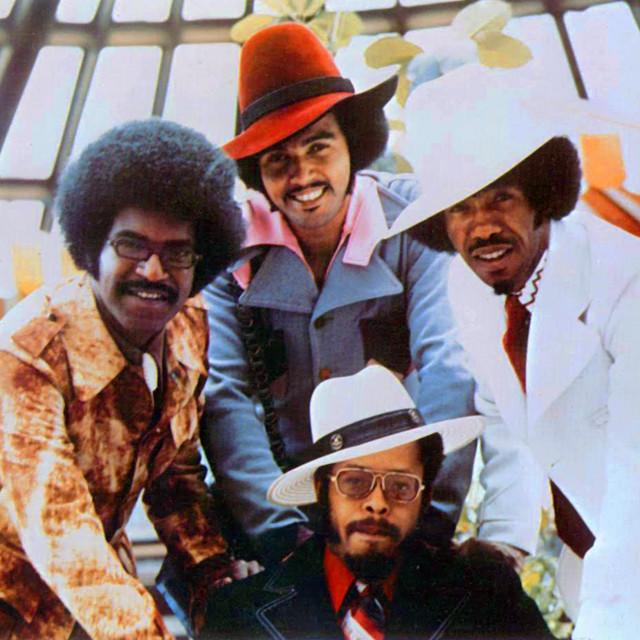
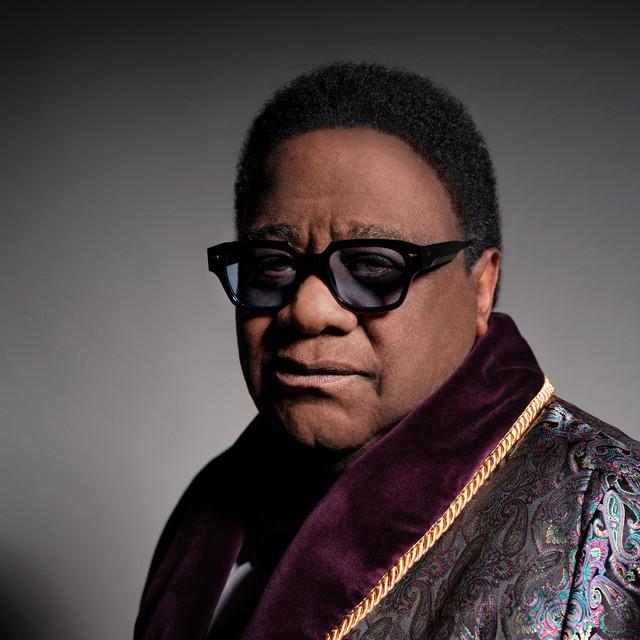
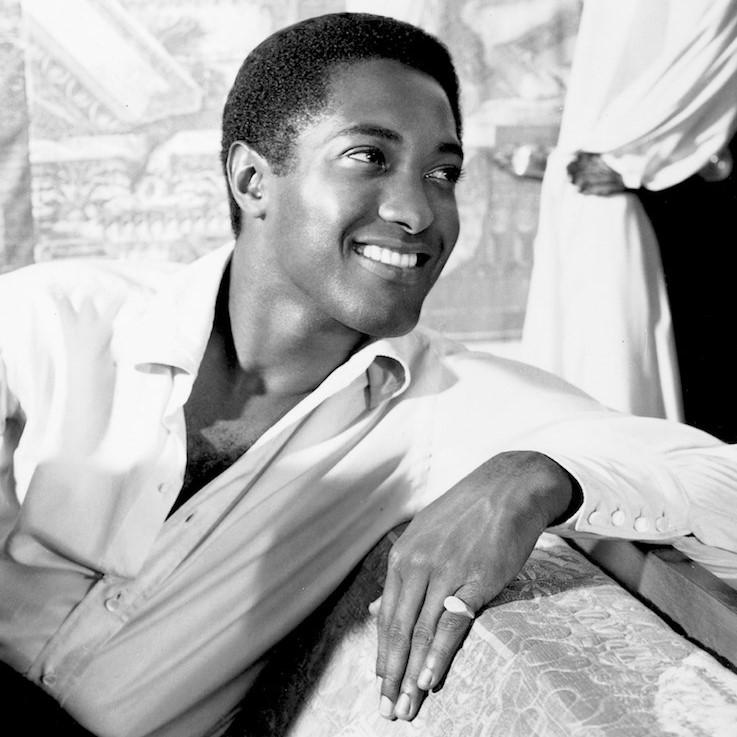
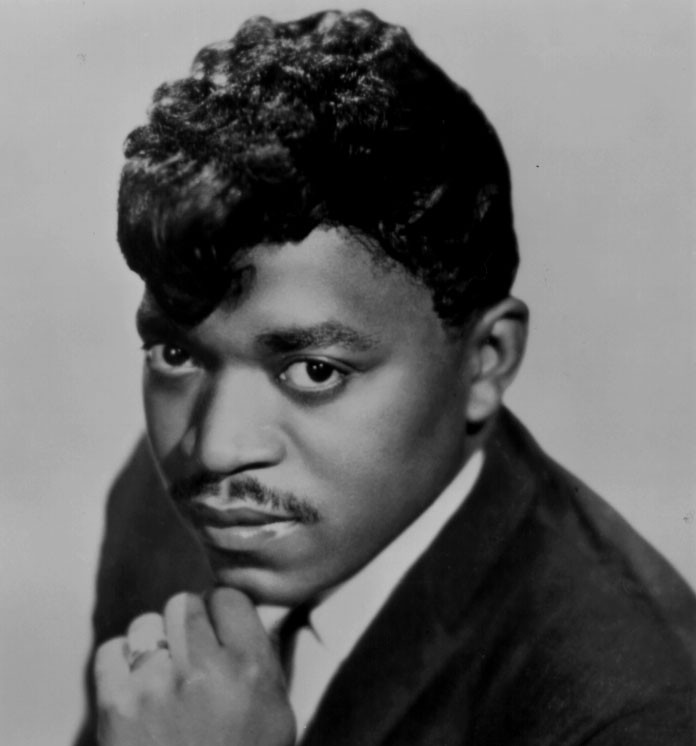
Aaron Neville’s Spotify BioHaving one of the most evocative and recognizable voices in American music, Aaron Neville is an international ambassador of New Orleans R&B, though his soaring falsetto sounds at home in many styles. Coming of age in the incredibly creative 1950s Crescent City R&B scene, Neville gained national attention with his 1966 hit “Tell It Like It Is,” the stirring ballad and #1 hit, as well as with the Wild Tchoupitoulas, a touring Mardi Gras celebration that led to the creation of the Neville Brothers band — an institution that would confirm Neville’s iconic status.
Over his four-time Grammy-winning solo career, Neville has scored a string of hits including “Tell It Like It Is,” memorable duets with Linda Ronstadt including "Don't Know Much" and a hugely popular cover of Main Ingredient’s “Everybody Plays the Fool.” With his latest album, Apache, a solo album that makes the case for Aaron Neville as the most holistic of soul men. Its hard R&B side matches anything the Neville… Brothers ever recorded for true grit, while still allowing plenty of space for a singer who’s arguably the most distinctive vocal stylist on the planet to tell it like it is.
Viberate is a music analytics platform built for A&Rs, artist managers, labels, booking agents, marketers, and artists.
It helps music professionals track artist growth, analyze audience data, monitor playlist activity, compare artists, follow song performance, and identify opportunities across the music market.
Public artist pages provide a free preview of selected artist data. Paid plans provide access to deeper analytics, historical data, charts, comparisons, playlist tools, exports, alerts, reports, and additional professional features.
Yes. Public Viberate artist pages provide selected artist analytics and music data for free.
Viberate also offers a 7-day free trial of the full platform. A credit card is required to start the trial. The trial includes access to the complete product so users can test deeper artist analytics, historical views, playlist insights, comparisons, charts, exports, alerts, and reporting features before choosing a paid plan.
Viberate provides artist analytics across streaming, playlists, social media, video, radio airplay, songs, and audience markets.
Users can analyze Spotify performance, Spotify and Apple Music playlists, YouTube activity, TikTok and Instagram growth, radio spins, song performance, audience locations, demographics, rankings, and overall artist momentum.
Artist profiles also connect to music charts, similar artists, and comparison tools, helping users benchmark performance and evaluate artists in context.
Viberate updates key artist and track data daily.
For followed artists and tracks, selected data is refreshed multiple times per day. This helps teams monitor playlist changes, streaming movement, audience growth, releases, and campaign performance with more current data.
Update frequency can vary depending on the metric and data source.
Yes. Viberate lets users compare up to five artists side by side across streaming, social media, audience, and engagement metrics.
Users can compare fanbase growth, audience demographics, locations, Spotify performance, social metrics, and other artist data over selected time periods.
Artist comparison can be used for A&R scouting, benchmarking, booking decisions, campaign planning, and evaluating artists with similar audiences or market positions.