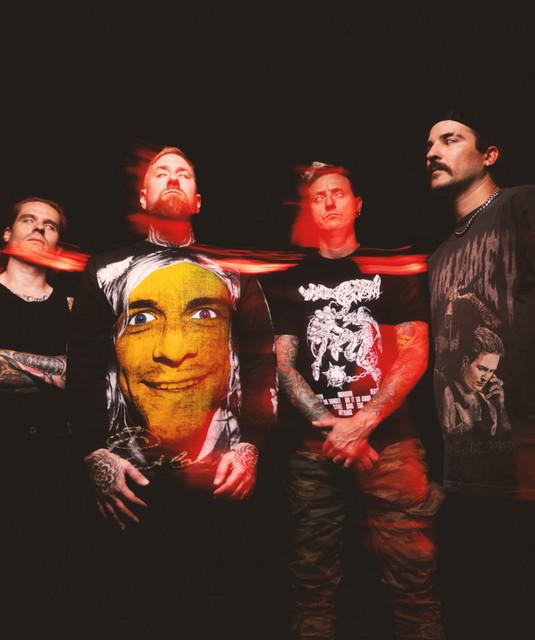
A Killer's Confession

Metal
Alternative Metal
Nu Metal
 Viberate Rank: 64869
 Viberate Rank: 64869
 Monthly ListenersFollowers
 Subscribers
 Followers
 Followers
 FansTop Spotify Songs
| Track | 7-Day Streams | |
|---|---|---|
1 | 18.76K | |
2 | 9.75K | |
3 | 9.56K | |
4 | 7.26K | |
5 | 7.16K |
Top YouTube Videos| Video | 7-Day Views | |
|---|---|---|
1 | 7.27K | |
2 | 5.16K | |
3 | 3.35K | |
4 | 3.14K | |
5 | 2.61K |
Monthly ListenersFeatured in Playlists| Playlist | Followers | |
|---|---|---|
1 |  Heavy Metal Spotify | 1.42M |
2 |  All New Metal Spotify | 812.44K |
3 |  Metal Covers Spotify | 392.44K |
4 |  Fresh Finds Heavy Spotify | 48.62K |
5 | Rockers workout Chris Dial | 21.55K |
Audience| City | Monthly Listeners | |
|---|---|---|
1 | | 1.21K |
2 | | 974 |
3 | | 906 |
4 | | 867 |
5 |  | 864 |
See full performance history, audience data, playlist activity, rankings, comparisons, and more in Viberate music analytics. Start with a free trial, then continue with a paid plan.
A Killer's Confession’s Spotify BioWaylon Reavis, the voice and vision behind A Killer’s Confession, continues his exploration of light and darkness through the Victim trilogy—his most ambitious work yet. Victim 2 (MNRK Heavy) dives into the mind of a vigilante who punishes evil, only to become what he hates. Inspired by the cult film Frailty, it’s a psychological and sonic descent filled with questions of morality, justice, and control.
Tracks like “Hopeless Grey,” “In Case of Emergency,” and “Hollow” push modern metal’s limits, fusing aggression with melody, electronics, and atmosphere. Known for his mask and commanding presence since his Mushroomhead days, Reavis uses imagery as reflection, not disguise. Beneath the horror lies empathy, shaped by his work with victims and survivors. Victim 2 is A Killer’s Confession at its boldest—a record that dares to stare into the darkness and see itself.
Viberate is a music analytics platform built for A&Rs, artist managers, labels, booking agents, marketers, and artists.
It helps music professionals track artist growth, analyze audience data, monitor playlist activity, compare artists, follow song performance, and identify opportunities across the music market.
Public artist pages provide a free preview of selected artist data. Paid plans provide access to deeper analytics, historical data, charts, comparisons, playlist tools, exports, alerts, reports, and additional professional features.
Yes. Public Viberate artist pages provide selected artist analytics and music data for free.
Viberate also offers a 7-day free trial of the full platform. A credit card is required to start the trial. The trial includes access to the complete product so users can test deeper artist analytics, historical views, playlist insights, comparisons, charts, exports, alerts, and reporting features before choosing a paid plan.
Viberate provides artist analytics across streaming, playlists, social media, video, radio airplay, songs, and audience markets.
Users can analyze Spotify performance, Spotify and Apple Music playlists, YouTube activity, TikTok and Instagram growth, radio spins, song performance, audience locations, demographics, rankings, and overall artist momentum.
Artist profiles also connect to music charts, similar artists, and comparison tools, helping users benchmark performance and evaluate artists in context.
Viberate updates key artist and track data daily.
For followed artists and tracks, selected data is refreshed multiple times per day. This helps teams monitor playlist changes, streaming movement, audience growth, releases, and campaign performance with more current data.
Update frequency can vary depending on the metric and data source.
Yes. Viberate lets users compare up to five artists side by side across streaming, social media, audience, and engagement metrics.
Users can compare fanbase growth, audience demographics, locations, Spotify performance, social metrics, and other artist data over selected time periods.
Artist comparison can be used for A&R scouting, benchmarking, booking decisions, campaign planning, and evaluating artists with similar audiences or market positions.