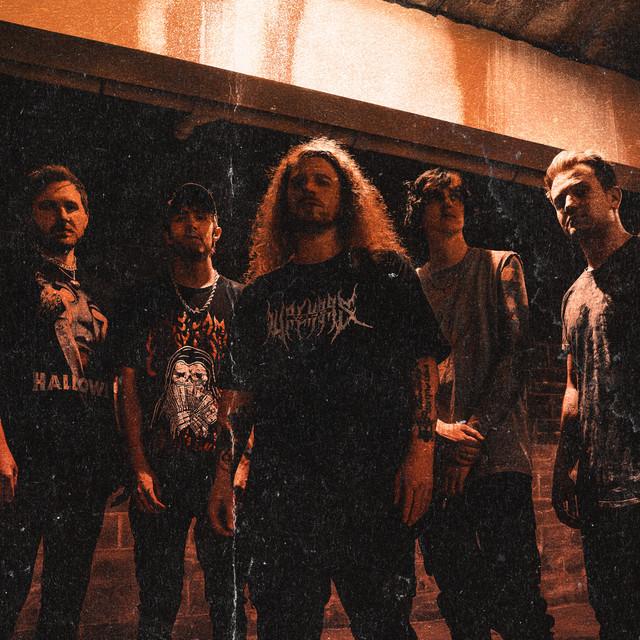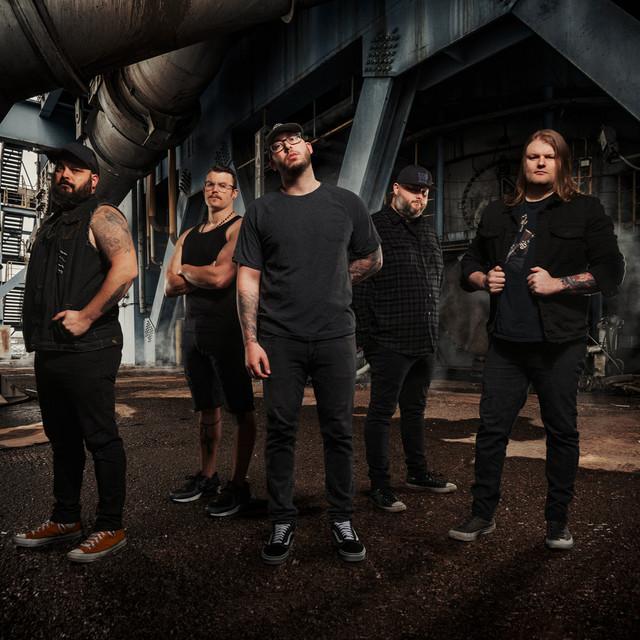
Silent Theory

Rock
Alternative Rock
Other Electronic Music
 Viberate Rank: 23770
 Viberate Rank: 23770
 Monthly ListenersFollowers
 Subscribers
 Followers
 Followers
 FansTop Spotify Songs
| Track | 7-Day Streams | |
|---|---|---|
1 | 85.88K | |
2 | 49.92K | |
3 | 32.67K | |
4 | 31.27K | |
5 | 28.21K |
Top YouTube Videos| Video | 7-Day Views | |
|---|---|---|
1 | 95.40K | |
2 | 35.24K | |
3 | 9.74K | |
4 | 9.58K | |
5 | 7.34K |
Monthly ListenersFeatured in Playlists| Playlist | Followers | |
|---|---|---|
1 |  Hard Rock Spotify | 454.85K |
2 |  Funky Strong Is Your Fight Brittany Costello | 26.33K |
3 | Metal Mosaic Shaan | 22.97K |
4 |  While Working from Home Just Keep It Up | 15.97K |
5 | Deftones type music Ben | 14.38K |
Audience| City | Monthly Listeners | |
|---|---|---|
1 | | 6.17K |
2 | | 6.00K |
3 | | 5.73K |
4 | | 5.09K |
5 |  | 4.68K |
See full performance history, audience data, playlist activity, rankings, comparisons, and more in Viberate music analytics. Start with a free trial, then continue with a paid plan.
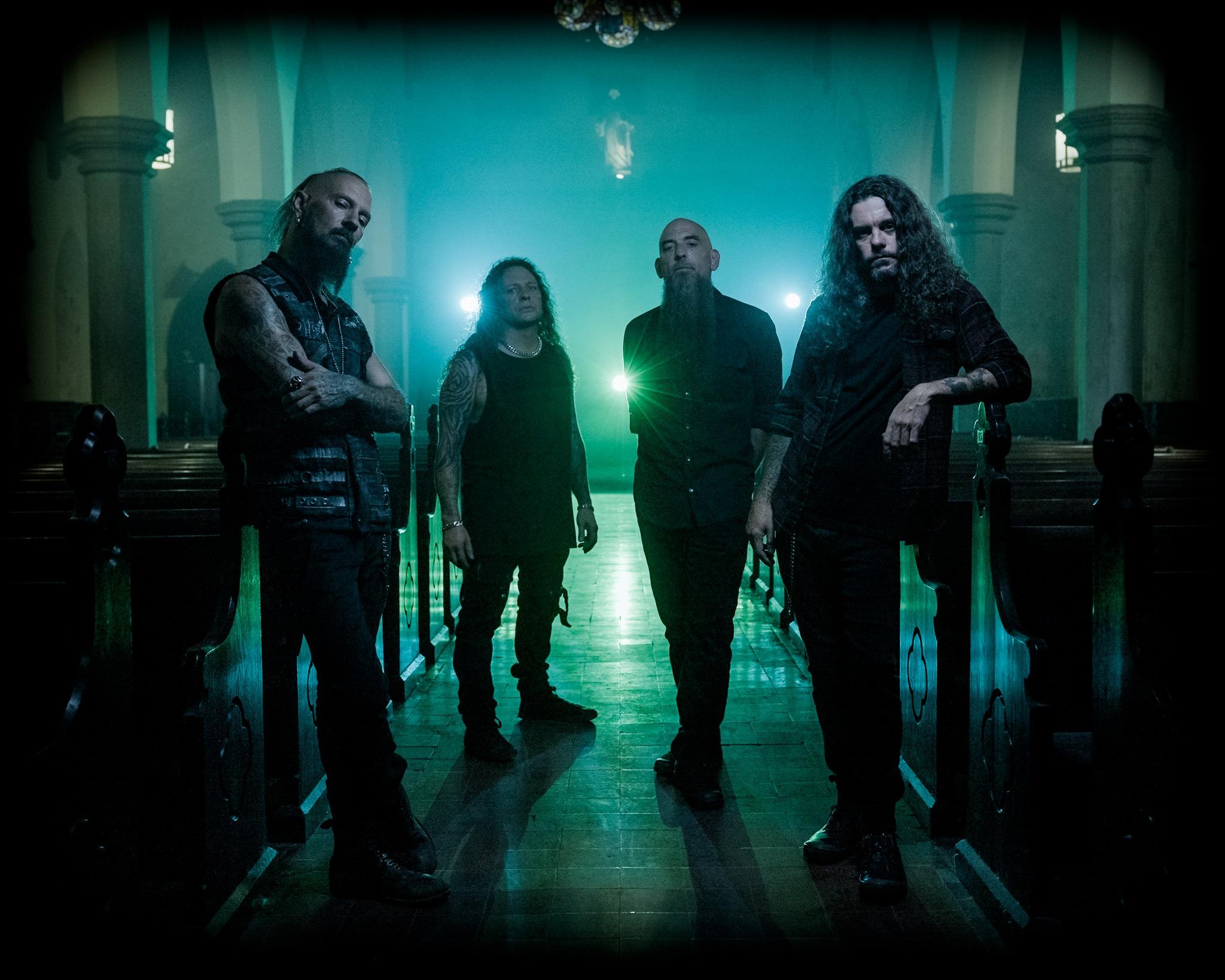
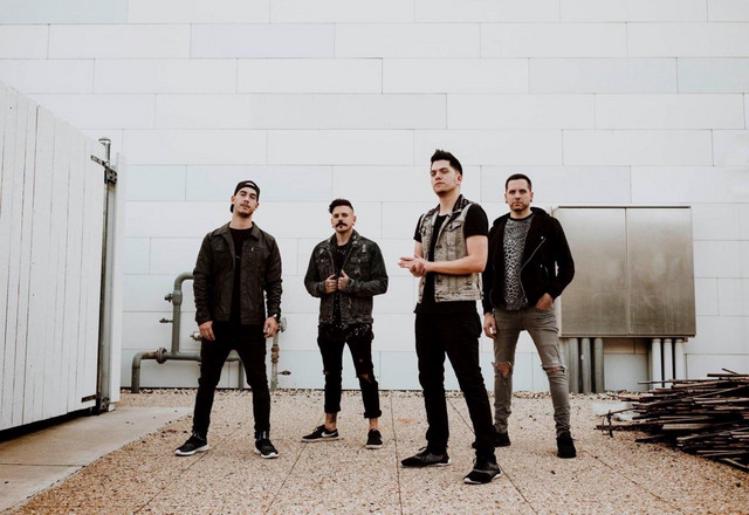
Silent Theory’s Spotify BioSilent Theory is made up of brothers Mitch, Scott, and George Swanger, as well as Robert James and Dakota Elliot Tyler. They are currently located in Moscow, Idaho, but finding worldwide success. "Fragile Minds," released June 2016, charting at #97 for Media Base Active-Rock and #29 for Under the Radar charts. It has since surpassed 27 million video views on YouTube and continues to grow rapidly. Following this success in June 2018, through Loudwire, the band released their second single off the album, Delusions, "Watch Me Burn." The single charted at #67 on the Media Base Active-Rock charts. In 2021, they signed with Paul Crosby Management (founding member of Saliva), Continental Touring, oneRPM and released their album, Hunt or Be Hunted. The first single, “Shaking Cages” charted at #22 on Billboard/BDS and #6 on Foundations charts. The second single, “The Price” also charted in the top 30 on Billboard/BDS. Their last single, "Afterthought," was added to the regular rotation on… SiriusXM’s Octane. To date, the band has amassed over 121 million YouTube video views and over 63 million audio streams. They will be releasing their next album, Tell Us How It Ends, in Fall 2024.
Viberate is a music analytics platform built for A&Rs, artist managers, labels, booking agents, marketers, and artists.
It helps music professionals track artist growth, analyze audience data, monitor playlist activity, compare artists, follow song performance, and identify opportunities across the music market.
Public artist pages provide a free preview of selected artist data. Paid plans provide access to deeper analytics, historical data, charts, comparisons, playlist tools, exports, alerts, reports, and additional professional features.
Yes. Public Viberate artist pages provide selected artist analytics and music data for free.
Viberate also offers a 7-day free trial of the full platform. A credit card is required to start the trial. The trial includes access to the complete product so users can test deeper artist analytics, historical views, playlist insights, comparisons, charts, exports, alerts, and reporting features before choosing a paid plan.
Viberate provides artist analytics across streaming, playlists, social media, video, radio airplay, songs, and audience markets.
Users can analyze Spotify performance, Spotify and Apple Music playlists, YouTube activity, TikTok and Instagram growth, radio spins, song performance, audience locations, demographics, rankings, and overall artist momentum.
Artist profiles also connect to music charts, similar artists, and comparison tools, helping users benchmark performance and evaluate artists in context.
Viberate updates key artist and track data daily.
For followed artists and tracks, selected data is refreshed multiple times per day. This helps teams monitor playlist changes, streaming movement, audience growth, releases, and campaign performance with more current data.
Update frequency can vary depending on the metric and data source.
Yes. Viberate lets users compare up to five artists side by side across streaming, social media, audience, and engagement metrics.
Users can compare fanbase growth, audience demographics, locations, Spotify performance, social metrics, and other artist data over selected time periods.
Artist comparison can be used for A&R scouting, benchmarking, booking decisions, campaign planning, and evaluating artists with similar audiences or market positions.