A Certain Frank

Electronic
Downtempo
Progressive Rock
 Viberate Rank: 632694
 Viberate Rank: 632694
 Monthly ListenersFollowers
 Subscribers
 Followers
 Followers
 FansTop Spotify Songs
| Track | 7-Day Streams | |
|---|---|---|
1 | 241 | |
2 | 47 | |
3 | 40 | |
4 | 12 | |
5 | 11 |
Top YouTube VideosMonthly ListenersFeatured in Playlists| Playlist | Followers | |
|---|---|---|
1 |  New Age Music Disc Guide // Ambient, Minimalism, Balearic, Fourth World, Kankyo Ongaku Tsunaki Kadowaki 🐾 | 1.89K |
2 |  downtempo 90s - 2000s Matt | 1.72K |
3 |  バレアリック音泉 🌴 Balearic Beats, New Age, Ambient House, Downtempo, Sophisti-Pop Tsunaki Kadowaki 🐾 | 1.53K |
4 |  Root canal drewphillips | 1.49K |
Audience| City | Monthly Listeners | |
|---|---|---|
1 |  | 17 |
2 |  | 14 |
3 |  | 13 |
4 | | 13 |
5 |  | 12 |
See full performance history, audience data, playlist activity, rankings, comparisons, and more in Viberate music analytics. Start with a free trial, then continue with a paid plan.
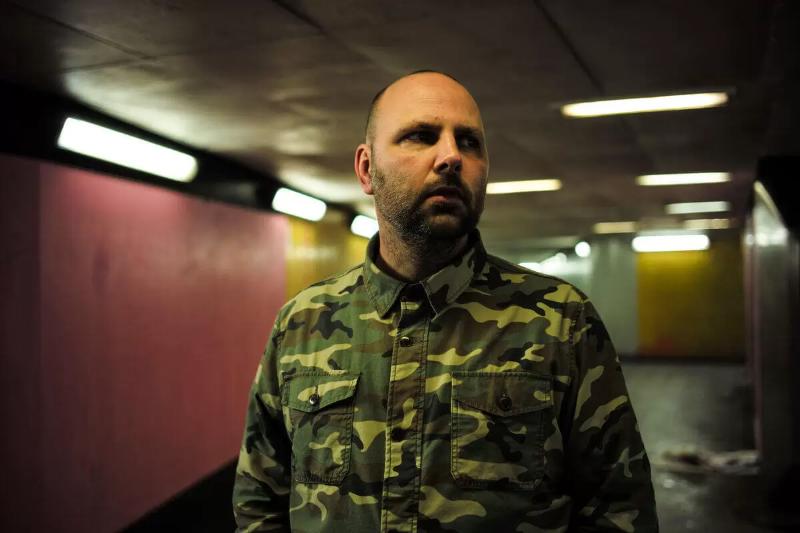
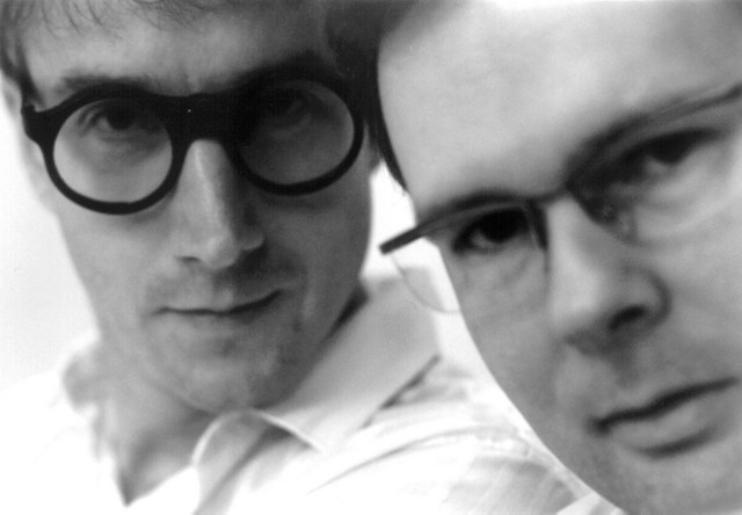
A Certain Frank’s Spotify BioElectronica duo A Certain Frank reunited Frank Fenstermacher and Kurt "Pyrolator" Dahlke, both former members of German new wave pioneers Der Plan, who were often cited as an influence on modern German electronica in the vein of Mouse on Mars and Kreidler. Dahlke, in addition, had also recorded with D.A.F. and under his own Pyrolator alias. After Der Plan disbanded in 1992, Fenstermacher and Dahlke concentrated on running their Ata Tak label for several years, but various producing and remixing activities got them back to recording in 1996, when they issued the first A Certain Frank album No End of No. 1998's Nobody? No! was better distributed, and earned the group an international following in the electronica underground. It was a far more eclectic outing, softening its predecessor's techno bent with elements of pop, lounge, downtempo, and trip-hop, plus a larger cast of supporting acoustic instrumentalists. This approach carried through to A Certain Frank's third album, 2001's… Nothing, which featured guest vocalists Karin Knipphals and Mai Lingani and a live rhythm section of Pascal Plantinga (bass) and Mike Daliot (drums). (Biography by Steve Huey)
Viberate is a music analytics platform built for A&Rs, artist managers, labels, booking agents, marketers, and artists.
It helps music professionals track artist growth, analyze audience data, monitor playlist activity, compare artists, follow song performance, and identify opportunities across the music market.
Public artist pages provide a free preview of selected artist data. Paid plans provide access to deeper analytics, historical data, charts, comparisons, playlist tools, exports, alerts, reports, and additional professional features.
Yes. Public Viberate artist pages provide selected artist analytics and music data for free.
Viberate also offers a 7-day free trial of the full platform. A credit card is required to start the trial. The trial includes access to the complete product so users can test deeper artist analytics, historical views, playlist insights, comparisons, charts, exports, alerts, and reporting features before choosing a paid plan.
Viberate provides artist analytics across streaming, playlists, social media, video, radio airplay, songs, and audience markets.
Users can analyze Spotify performance, Spotify and Apple Music playlists, YouTube activity, TikTok and Instagram growth, radio spins, song performance, audience locations, demographics, rankings, and overall artist momentum.
Artist profiles also connect to music charts, similar artists, and comparison tools, helping users benchmark performance and evaluate artists in context.
Viberate updates key artist and track data daily.
For followed artists and tracks, selected data is refreshed multiple times per day. This helps teams monitor playlist changes, streaming movement, audience growth, releases, and campaign performance with more current data.
Update frequency can vary depending on the metric and data source.
Yes. Viberate lets users compare up to five artists side by side across streaming, social media, audience, and engagement metrics.
Users can compare fanbase growth, audience demographics, locations, Spotify performance, social metrics, and other artist data over selected time periods.
Artist comparison can be used for A&R scouting, benchmarking, booking decisions, campaign planning, and evaluating artists with similar audiences or market positions.