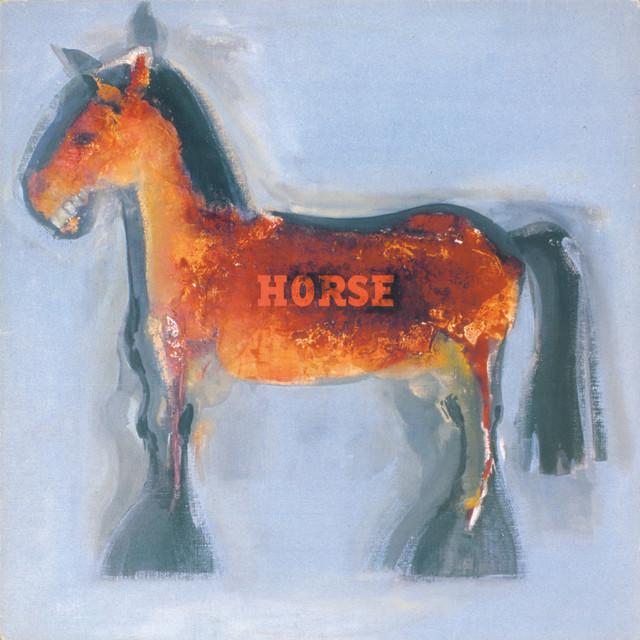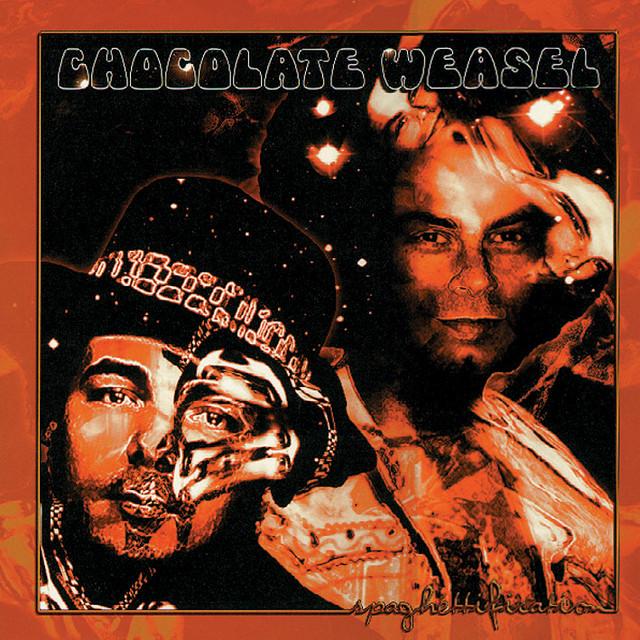
Juryman
Electronic
Dance
Downtempo
 Viberate Rank: 593675
 Viberate Rank: 593675
 Monthly ListenersFollowers
 Subscribers
 Followers
 Followers
 FansTop Spotify Songs
| Track | 7-Day Streams | |
|---|---|---|
1 | 33 | |
2 | 27 | |
3 | 20 | |
4 | 20 | |
5 | 16 |
Top YouTube VideosMonthly ListenersFeatured in Playlists| Playlist | Followers | |
|---|---|---|
1 |  RHYTHM SECTION HQ Rhythm Section International | 11.57K |
2 |  The Sound of Trip Hop The Sounds of Spotify | 5.58K |
3 |  Detroit Techno 1983-2026—hi-tech jazz, electro funk, electronic soul music, deep house 80s 90s sound Ennio Styles | 4.05K |
4 |  Mob Hits PlayStation®️ | 1.67K |
5 |  Fresh Obscure / Rare Artists 🍅 Unknown Genres / Experimental Gems / Part 1 of 2 o808988s | 1.12K |
Audience| City | Monthly Listeners | |
|---|---|---|
1 |  | 25 |
2 |  | 15 |
3 |  | 11 |
4 |  | 10 |
5 |  | 7 |
See full performance history, audience data, playlist activity, rankings, comparisons, and more in Viberate music analytics. Start with a free trial, then continue with a paid plan.
Juryman’s Spotify BioJuryman is the trip-hop side project of Ian Simmonds, who has released material on Ninja Tune's Ntone offshoot, SSR, and his own ATL imprint. Formerly of pop house group the Sandals (who had a huge hit in the early '90s with "Feet"), Simmonds went solo after problems with the group's label forced them to break up (his label, ATL -- All That's Left -- is an ironic tribute to that sobering experience). Although his solo releases began appearing around the time of post-Mo'Wax bandwagon-jumping, Simmonds' tracks have a studied complexity that distinguish them from the breakbeat wallpaper of the spliff-soaked downbeat set. He released his first two 12-inches, "Juryman 1" and "Juryman 2," on ATL before heading to Ninja Tune's experimental Ntone arm for "Juryman 3." His fourth single (care to guess its title?) appeared on Crammed subsidiary SSR in 1997, and included more full-blown drum'n'bass rhythmic elements. The full-length Mail Order Justice followed later that year, recorded with… recording partner Luke Gordon (aka Spacer), the in-house engineer at Howie B.'s Pussyfoot studio. Simmonds' second full-length Last States of Nature appeared under his own name on Studio !K7. ~ Sean Cooper, Rovi
Viberate is a music analytics platform built for A&Rs, artist managers, labels, booking agents, marketers, and artists.
It helps music professionals track artist growth, analyze audience data, monitor playlist activity, compare artists, follow song performance, and identify opportunities across the music market.
Public artist pages provide a free preview of selected artist data. Paid plans provide access to deeper analytics, historical data, charts, comparisons, playlist tools, exports, alerts, reports, and additional professional features.
Yes. Public Viberate artist pages provide selected artist analytics and music data for free.
Viberate also offers a 7-day free trial of the full platform. A credit card is required to start the trial. The trial includes access to the complete product so users can test deeper artist analytics, historical views, playlist insights, comparisons, charts, exports, alerts, and reporting features before choosing a paid plan.
Viberate provides artist analytics across streaming, playlists, social media, video, radio airplay, songs, and audience markets.
Users can analyze Spotify performance, Spotify and Apple Music playlists, YouTube activity, TikTok and Instagram growth, radio spins, song performance, audience locations, demographics, rankings, and overall artist momentum.
Artist profiles also connect to music charts, similar artists, and comparison tools, helping users benchmark performance and evaluate artists in context.
Viberate updates key artist and track data daily.
For followed artists and tracks, selected data is refreshed multiple times per day. This helps teams monitor playlist changes, streaming movement, audience growth, releases, and campaign performance with more current data.
Update frequency can vary depending on the metric and data source.
Yes. Viberate lets users compare up to five artists side by side across streaming, social media, audience, and engagement metrics.
Users can compare fanbase growth, audience demographics, locations, Spotify performance, social metrics, and other artist data over selected time periods.
Artist comparison can be used for A&R scouting, benchmarking, booking decisions, campaign planning, and evaluating artists with similar audiences or market positions.