8stops7

Rock
Alternative Rock
 Viberate Rank: 301282
 Viberate Rank: 301282
 Monthly ListenersFollowers
 Subscribers
 Followers
 Followers
 FansTop Spotify Songs
| Track | 7-Day Streams | |
|---|---|---|
1 | 1.61K | |
2 | 1.34K | |
3 | 285 | |
4 | 154 | |
5 | 117 |
Top YouTube VideosMonthly ListenersFeatured in Playlists| Playlist | Followers | |
|---|---|---|
1 |  90's Nostalgia & 2000 Throw Backs! Major | 88.50K |
2 | GRUNGE zerubi | 80.90K |
3 |  Gran Turismo 7 PlayStation®️ | 36.02K |
4 | Forgotten 90s Alternative Hammer Family | 16.08K |
5 | Bible of Nu-Metal/alternatif Grunt | 15.47K |
Audience| City | Monthly Listeners | |
|---|---|---|
1 |  | 110 |
2 | | 100 |
3 | | 100 |
4 |  | 92 |
5 | | 80 |
See full performance history, audience data, playlist activity, rankings, comparisons, and more in Viberate music analytics. Start with a free trial, then continue with a paid plan.
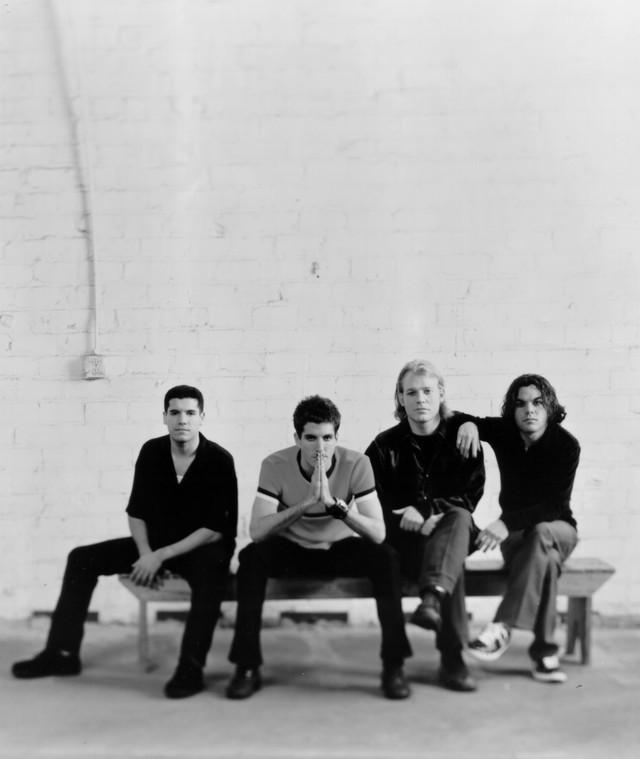
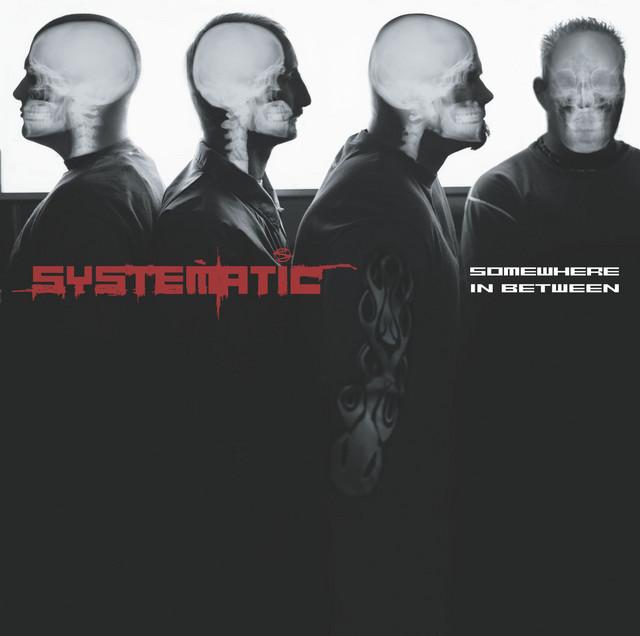
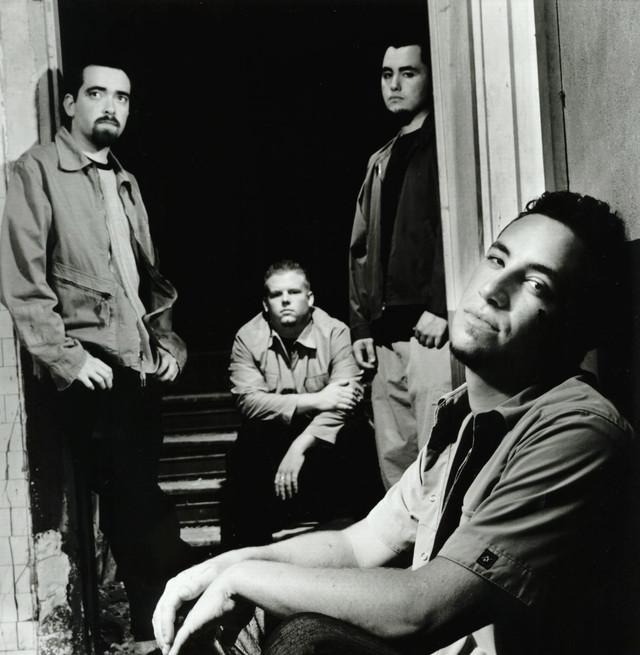
8stops7’s Spotify Bio8STOPS7 had its beginnings in Ventura County, CA, in 1996; bandmembers Evan Sula-Goff (vocals, guitar), Seth Watson (guitar), Adam Powell, (drums), and Alex Viveros (bass) played their first gig on February 21, 1997, Sula-Goff's 21st birthday. In 1998, they independently released their self-produced debut album, Birth of a Cynic, after which they were courted by major labels. They signed with Reprise Records, which released In Moderation in October 1999. The band's unusual name is the result of some intentionally vague number symbolism. According to band members, the "8" in 8STOPS7 resembles the infinity symbol, while the number seven represents a host of unpleasant, limiting things like the seven days of the week, the seven years of bad luck, and seven plagues. Said bandmember Sula-Goff, "Basically, seven is a symbol of something you want to get away from, and eight is the door you go through to get there." 8STOPS7 combined this philosophizing with an alternative rock style and some… thoughtful lyrics which help make their deep thoughts pretty accessible. 8STOPS7 embarked on its first national tour in the winter of 1999-2000 as "My Would-Be Savior" and "Satisfied" placed in charts of radio play on rock stations. Aaron Johnson, also from Ventura County, was brought in as second guitarist, making them a quintet. ~ Stacia Proefrock, Rovi
Viberate is a music analytics platform built for A&Rs, artist managers, labels, booking agents, marketers, and artists.
It helps music professionals track artist growth, analyze audience data, monitor playlist activity, compare artists, follow song performance, and identify opportunities across the music market.
Public artist pages provide a free preview of selected artist data. Paid plans provide access to deeper analytics, historical data, charts, comparisons, playlist tools, exports, alerts, reports, and additional professional features.
Yes. Public Viberate artist pages provide selected artist analytics and music data for free.
Viberate also offers a 7-day free trial of the full platform. A credit card is required to start the trial. The trial includes access to the complete product so users can test deeper artist analytics, historical views, playlist insights, comparisons, charts, exports, alerts, and reporting features before choosing a paid plan.
Viberate provides artist analytics across streaming, playlists, social media, video, radio airplay, songs, and audience markets.
Users can analyze Spotify performance, Spotify and Apple Music playlists, YouTube activity, TikTok and Instagram growth, radio spins, song performance, audience locations, demographics, rankings, and overall artist momentum.
Artist profiles also connect to music charts, similar artists, and comparison tools, helping users benchmark performance and evaluate artists in context.
Viberate updates key artist and track data daily.
For followed artists and tracks, selected data is refreshed multiple times per day. This helps teams monitor playlist changes, streaming movement, audience growth, releases, and campaign performance with more current data.
Update frequency can vary depending on the metric and data source.
Yes. Viberate lets users compare up to five artists side by side across streaming, social media, audience, and engagement metrics.
Users can compare fanbase growth, audience demographics, locations, Spotify performance, social metrics, and other artist data over selected time periods.
Artist comparison can be used for A&R scouting, benchmarking, booking decisions, campaign planning, and evaluating artists with similar audiences or market positions.