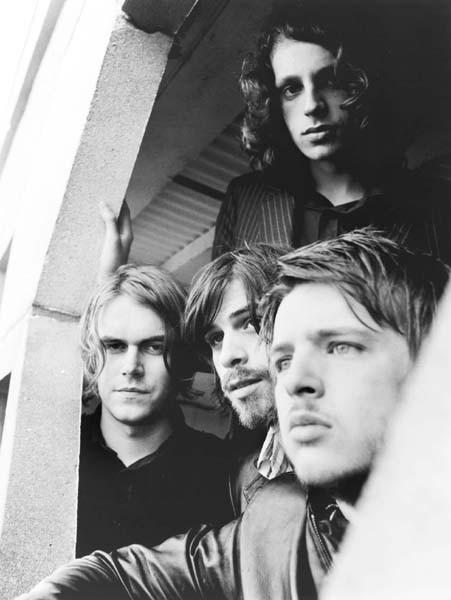
22-20s

Rock
Garage Rock
 Viberate Rank: 158172
 Viberate Rank: 158172
 Monthly ListenersFollowers
 Subscribers
 Followers
 Followers
 FansTop Spotify Songs
| Track | 7-Day Streams | |
|---|---|---|
1 | 7.63K | |
2 | 5.09K | |
3 | 3.53K | |
4 | 356 | |
5 | 348 |
Top YouTube VideosMonthly ListenersFeatured in Playlists| Playlist | Followers | |
|---|---|---|
1 |  One Tree Hill 🌳 paigecarson | 197.32K |
2 |  Motivational Songs Carlos Piles Zaro | 107.19K |
3 |  Shameless Soundtrack - Music from the Showtime TV Series Excelsior Recordings | 60.42K |
4 |  Heard by Tesla Tesla | 47.63K |
5 | dalys | 43.80K |
Audience| City | Monthly Listeners | |
|---|---|---|
1 | | 885 |
2 |  | 485 |
3 | | 472 |
4 |  | 420 |
5 |  | 387 |
See full performance history, audience data, playlist activity, rankings, comparisons, and more in Viberate music analytics. Start with a free trial, then continue with a paid plan.
22-20s’ Spotify BioNamed for the Skip James song "22-20 Blues," the 22-20s hail from Lincolnshire, England, and mix blues, rock, folk, and country influences into a sound that got the quartet noticed early in its career. Vocalist/guitarist Martin Trimble and bassist Glen Bartup had played together in local bands for several years, but formed the 22-20s in mid-2002, while they were still both in their early twenties. Keyboardist Charly Coombes and a series of drummers rounded out the band's initial lineup before the band settled on James Irving as their permanent drummer. The group's consistent gigging caught the ears of Heavenly Records, which signed the band late in 2002; early the following year, the 22-20s released their first single, Such a Fool, as a limited-edition 7". Soon after, they made their first U.S. appearance at the 2003 Coachella Festival; during their U.K. tour later that spring, they also recorded the 05-03 EP, which previewed a handful of their songs in concert.
Supporting gigs for Jet …and Kings of Leon sent the band back to the States, and the 22-20s' relentless touring schedule continued with appearances at Glastonbury, Germany's Southside and Hurricane festivals, and another U.K. tour that fall, which coincided with the release of the single 22 Days. 05-03, another limited-edition pressing, was also issued around that time, and became the 22-20s' first U.S. release. The band took a brief breather from playing live to finish its self-titled debut album, but geared up again in 2004 with appearances at T in the Park, Glastonbury, and Reading, as well as the Fuji Rock Festival in Japan. Singles such as Why Don't You Do It for Me? and Shoot Your Gun heralded the release of The 22-20s in the U.K. that fall, which they supported with, of course, another tour. The band rounded out 2004 with dates in Australia and the news that The 22-20s would be released in the U.S. by Astralwerks in early 2005. However, later that year the group canceled dates, including an appearance at that year’s V Festival; news came in early 2006 that the band had broken up while working on its second album.
Irving played with other groups in the wake of the breakup, including Marner Brown and Fuzzbox Music. Coombes joined his brothers Gaz and Rob in Supergrass as a second guitarist and backing vocalist, played with the band Missing Pieces, and also formed his own group, Charly Coombes & the New Breed. Meanwhile, Trimble and Bartup worked on new material together, but little of it was heard. In 2008, the 22-20s were asked to re-form for the Heavenly Festival, and Trimble, Bartup, and Irving were joined by guitarist Dan Hare for the gig. Though it seemed like the group had no plans to continue after that show, the bandmembers were working on material in secret and toured England in 2009 under the name the Bitter Pills. They released their new music almost as stealthily, dropping the single Latest Heartbreak that December. A live EP arrived in March 2010, and the full-length Shake/Shiver/Moan was released in Japan that May and in the U.S. and the U.K. in June; late that year, the band announced it was relocating to Minneapolis. The 22-20s' third album, Got It If You Want It, arrived in 2012, and shortly afterward, it was announced that Hare had left the group. The band officially announced its breakup on Facebook in 2014. ~ Heather Phares, Rovi
Viberate is a music analytics platform built for A&Rs, artist managers, labels, booking agents, marketers, and artists.
It helps music professionals track artist growth, analyze audience data, monitor playlist activity, compare artists, follow song performance, and identify opportunities across the music market.
Public artist pages provide a free preview of selected artist data. Paid plans provide access to deeper analytics, historical data, charts, comparisons, playlist tools, exports, alerts, reports, and additional professional features.
Yes. Public Viberate artist pages provide selected artist analytics and music data for free.
Viberate also offers a 7-day free trial of the full platform. A credit card is required to start the trial. The trial includes access to the complete product so users can test deeper artist analytics, historical views, playlist insights, comparisons, charts, exports, alerts, and reporting features before choosing a paid plan.
Viberate provides artist analytics across streaming, playlists, social media, video, radio airplay, songs, and audience markets.
Users can analyze Spotify performance, Spotify and Apple Music playlists, YouTube activity, TikTok and Instagram growth, radio spins, song performance, audience locations, demographics, rankings, and overall artist momentum.
Artist profiles also connect to music charts, similar artists, and comparison tools, helping users benchmark performance and evaluate artists in context.
Viberate updates key artist and track data daily.
For followed artists and tracks, selected data is refreshed multiple times per day. This helps teams monitor playlist changes, streaming movement, audience growth, releases, and campaign performance with more current data.
Update frequency can vary depending on the metric and data source.
Yes. Viberate lets users compare up to five artists side by side across streaming, social media, audience, and engagement metrics.
Users can compare fanbase growth, audience demographics, locations, Spotify performance, social metrics, and other artist data over selected time periods.
Artist comparison can be used for A&R scouting, benchmarking, booking decisions, campaign planning, and evaluating artists with similar audiences or market positions.