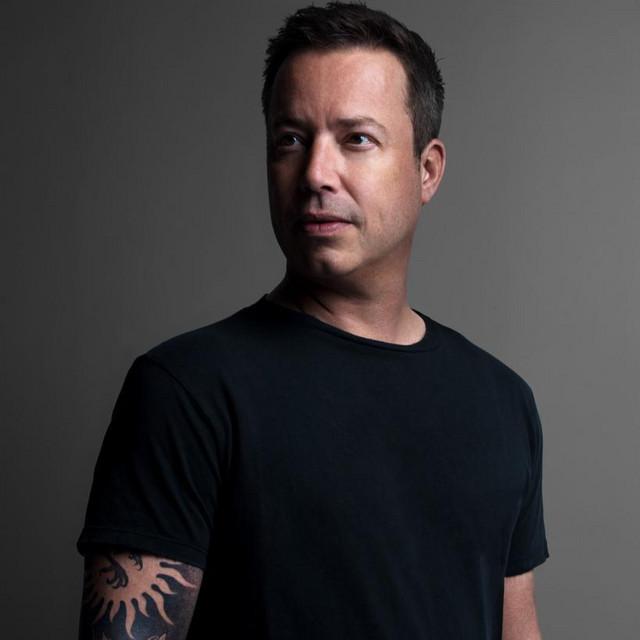
Dirty South


Electronic
Dance
Progressive House
 Viberate Rank: 19895
 Viberate Rank: 19895
 Monthly ListenersFollowers
 Subscribers
 Followers
 Followers
 FansTop Spotify Songs
| Track | 7-Day Streams | |
|---|---|---|
1 | 201.17K | |
2 | 30.03K | |
3 | 22.35K | |
4 | 21.50K | |
5 | 20.84K |
Top YouTube VideosMonthly ListenersFeatured in Playlists| Playlist | Followers | |
|---|---|---|
1 |  Dance Classics Spotify | 1.82M |
2 |  EDM Hits 2026 Christoffer Brants | 371.80K |
3 |  Zoedic EDM Playlist Updated Weekly Elaine Lin | 331.84K |
4 | 2013-2015 EDM Hits Derick | 320.24K |
5 |  Dance Party! Best Dance Hits 🪩 Party Music Lost Records | 287.26K |
Audience| City | Monthly Listeners | |
|---|---|---|
1 |  | 23.63K |
2 |  | 15.95K |
3 |  | 12.10K |
4 | | 11.66K |
5 | | 11.33K |
See full performance history, audience data, playlist activity, rankings, comparisons, and more in Viberate music analytics. Start with a free trial, then continue with a paid plan.
Dirty South’s Spotify BioKicking his career off as a mash-up artist, Serbian-Australian producer Dragan Roganović has released many successful EDM productions and remixes under the moniker Dirty South. Prone to grandiose crescendos and euphoric dance cuts, he began issuing a series of original progressive and electro house albums in the 2010s and even branched out into film with his indie pop-inspired second album, 2014's With You, which included a self-directed visual accompaniment piece. In the latter part of the decade, his shimmering sound took on a slightly darker hue, especially with his fourth full-length, 2018's Darko.
Born in Belgrade, Dragan moved with his family to Australia when he was 13. He first began making bootleg remixes of dance tracks with only a tape deck, a mixer, and a splicer at his disposal, but in 2004 he bought his first laptop computer and Dirty South was born. The Vicious Vinyl label would issue his debut single, "Sleazy," in 2005, while 2006 saw his remix of Evermore's "It's Too… Late" top the Australian club charts. In 2008 his remix of Kaskade's "Sorry" was nominated for a Grammy Award for Best Remixed Recording, while 2011 saw him nominated for the award again for his work on the Temper Trap's "Sweet Disposition." The compilation Strictly Dirty South was released in 2011 as well. In 2012 he released the "City of Dreams" single in collaboration with Swedish DJ Alesso, while 2013 saw him make his official debut with the album Speed of Life. His 2014 LP, With You, was influenced by indie pop and was accompanied by a 38-minute film directed by Roganović with songs from the album as its soundtrack. While he continued to issue singles like "Find a Way," "All of Us," and "I Swear," he wouldn't return with another full-length until XV. Released in February 2018, the set featured ANIMA! on "Next to You" and "If It All Stops," Rudy on "Love Story" and "Higher," and Eden Prince on "Believe." Roganović returned later that year with his fourth Dirty South album, Darko, which he described as the "moodier cousin of XV." The moody vibes continued on the more club-driven 2019 EP Little Devious, though the 2020 single, "Kiss from God," saw a return to the lofty celestial pop of his earlier style. ~ David Jeffries, Rovi
Viberate is a music analytics platform built for A&Rs, artist managers, labels, booking agents, marketers, and artists.
It helps music professionals track artist growth, analyze audience data, monitor playlist activity, compare artists, follow song performance, and identify opportunities across the music market.
Public artist pages provide a free preview of selected artist data. Paid plans provide access to deeper analytics, historical data, charts, comparisons, playlist tools, exports, alerts, reports, and additional professional features.
Yes. Public Viberate artist pages provide selected artist analytics and music data for free.
Viberate also offers a 7-day free trial of the full platform. A credit card is required to start the trial. The trial includes access to the complete product so users can test deeper artist analytics, historical views, playlist insights, comparisons, charts, exports, alerts, and reporting features before choosing a paid plan.
Viberate provides artist analytics across streaming, playlists, social media, video, radio airplay, songs, and audience markets.
Users can analyze Spotify performance, Spotify and Apple Music playlists, YouTube activity, TikTok and Instagram growth, radio spins, song performance, audience locations, demographics, rankings, and overall artist momentum.
Artist profiles also connect to music charts, similar artists, and comparison tools, helping users benchmark performance and evaluate artists in context.
Viberate updates key artist and track data daily.
For followed artists and tracks, selected data is refreshed multiple times per day. This helps teams monitor playlist changes, streaming movement, audience growth, releases, and campaign performance with more current data.
Update frequency can vary depending on the metric and data source.
Yes. Viberate lets users compare up to five artists side by side across streaming, social media, audience, and engagement metrics.
Users can compare fanbase growth, audience demographics, locations, Spotify performance, social metrics, and other artist data over selected time periods.
Artist comparison can be used for A&R scouting, benchmarking, booking decisions, campaign planning, and evaluating artists with similar audiences or market positions.