Zs

Jazz
Avant-garde Jazz
 Viberate Rank: 361750
 Viberate Rank: 361750
 Monthly ListenersFollowers
 Subscribers
 Followers
 Followers
 FansTop Spotify Songs
| Track | 7-Day Streams | |
|---|---|---|
1 | 42 | |
2 | 38 | |
3 | 24 | |
4 | 22 | |
5 | 22 |
Top YouTube VideosMonthly ListenersFeatured in Playlists| Playlist | Followers | |
|---|---|---|
1 | 3VOOR12 Luisterpaal 3voor12 | 1.71K |
2 |  3voor12 #HELEOUDEMUZIEK 3voor12 | 1.64K |
3 | influences hunter | 1.60K |
4 | Stuart Maconie's Freak Zone 🔊 (BBC 6 Music) reacharound98 | 1.12K |
Audience| City | Monthly Listeners | |
|---|---|---|
1 | | 7 |
2 | | 7 |
3 | | 6 |
4 | | 6 |
5 |  | 6 |
See full performance history, audience data, playlist activity, rankings, comparisons, and more in Viberate music analytics. Start with a free trial, then continue with a paid plan.
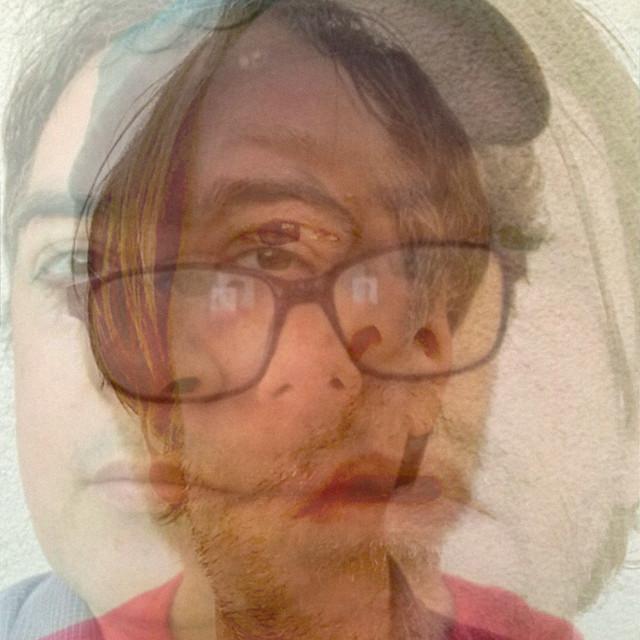
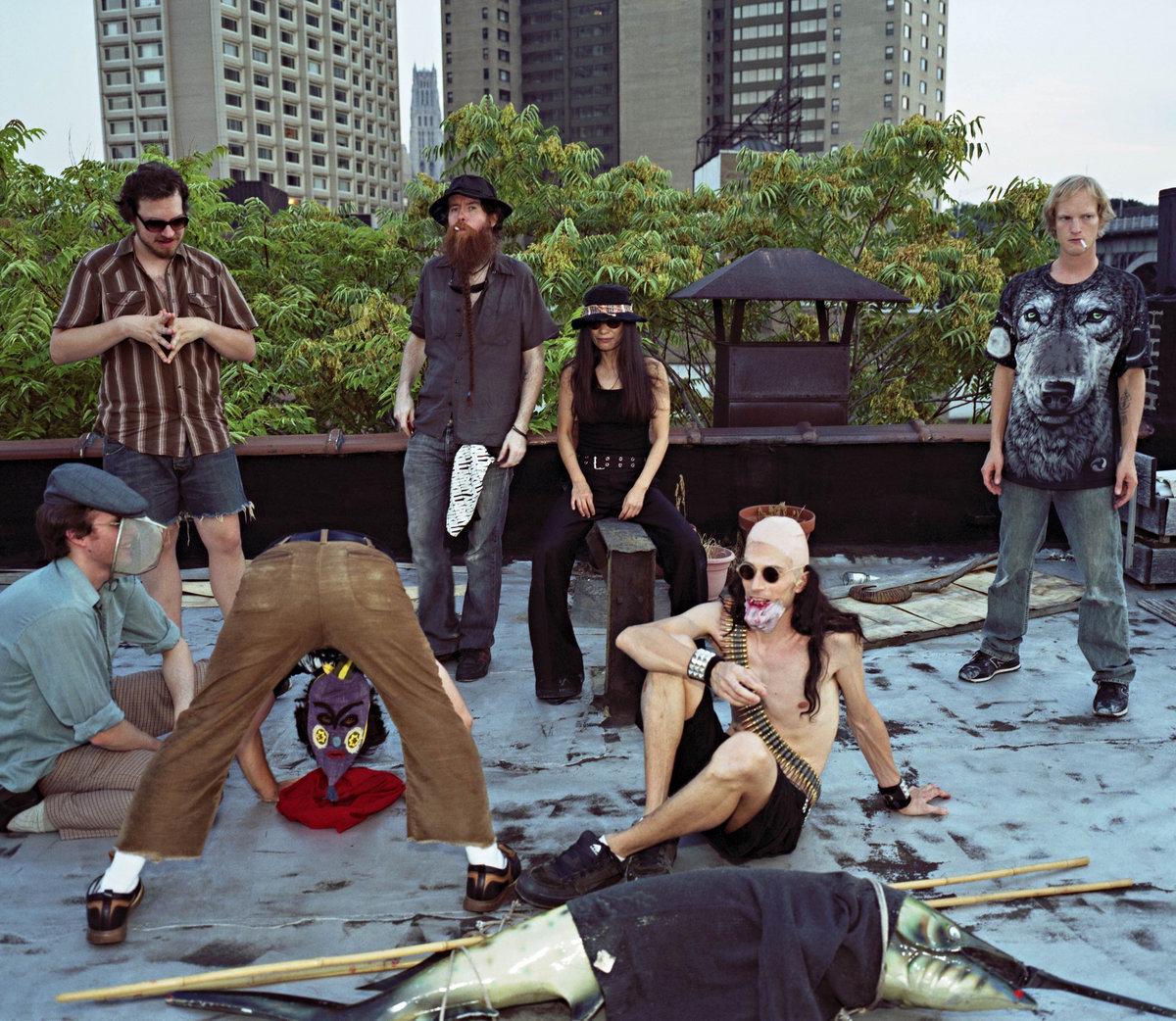
Zs’ Spotify BioFormed in Brooklyn in the early part of the 21st century, Zs existed in a carefully schooled post-minimalist avant-garde landscape while also fitting in with the noise-loving D.I.Y. ethos of the Brooklyn rock scene. Meeting at the Manhattan School of Music, the bandmembers formed a quintet, though immediately branched into collectivist mode, anchored predominantly by saxophonist Sam Hillmer, guitarist Ben Greenberg, and drummer Ian Antonio. Seeking, like many before them (including the now establishment-like Bang on a Can), to do away with the stodginess of scored music, Zs adapted a saxophone-based ensemble into a precise, uncompromising unit whose cycling panels of sound created sheets of noise (and vice versa).
Their first recordings, a series of five EPs, were written by individual bandmembers, including an untitled 2003 two-track debut by guitarist Charlie Looker. Hillmer and fellow tenor saxophonist Alex Mincek wrote the follow-up, Zs, released the same year, which began to build… the band's clockwork mechanics. While it churned impressively, it took until 2005's Karate Bump EP for Zs to find the visceral pulse that defined their voice and removed them from the proverbial concert hall. Saxophonists Hillmer and Mincek began working with extended percussive techniques, resulting in Zs' ability to create a tonally shifting rhythmic grid on which they could apply noise. Citing growing frustrations, the bandmembers renewed their focus, directing their energy toward putting on their own shows and playing with friends' bands. The music likewise took a more collaborative bent, as well as achieving a trance-like center.
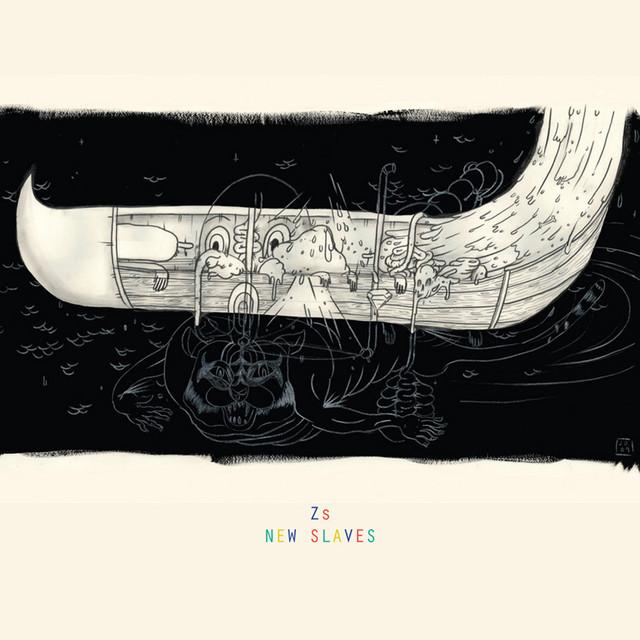
Mincek departed by the time of the band's full-length debut, 2007's Arms, whose various tracks featured Hillmer's saxophone alone, a new emphasis on guitars (though founding guitarist Charlie Looker left soon thereafter), and several songs featuring chanted vocals. The band received surprise attention when perennial shock jock Howard Stern featured Arms on his show for several days running, his crew cracking jokes at Zs' expense (Stern: "It's mood music...if you're in a mental home"), but ultimately exposing several million people to their recordings and, as the band later pointed out, instigating a discussion of John Cage on Howard Stern. In 2010, Zs followed with New Slaves, a noise-drone epic that encompassed all their minimalist precision as well as a more panoramic sense of space than ever before. ~ Jesse Jarnow, Rovi
Viberate is a music analytics platform built for A&Rs, artist managers, labels, booking agents, marketers, and artists.
It helps music professionals track artist growth, analyze audience data, monitor playlist activity, compare artists, follow song performance, and identify opportunities across the music market.
Public artist pages provide a free preview of selected artist data. Paid plans provide access to deeper analytics, historical data, charts, comparisons, playlist tools, exports, alerts, reports, and additional professional features.
Yes. Public Viberate artist pages provide selected artist analytics and music data for free.
Viberate also offers a 7-day free trial of the full platform. A credit card is required to start the trial. The trial includes access to the complete product so users can test deeper artist analytics, historical views, playlist insights, comparisons, charts, exports, alerts, and reporting features before choosing a paid plan.
Viberate provides artist analytics across streaming, playlists, social media, video, radio airplay, songs, and audience markets.
Users can analyze Spotify performance, Spotify and Apple Music playlists, YouTube activity, TikTok and Instagram growth, radio spins, song performance, audience locations, demographics, rankings, and overall artist momentum.
Artist profiles also connect to music charts, similar artists, and comparison tools, helping users benchmark performance and evaluate artists in context.
Viberate updates key artist and track data daily.
For followed artists and tracks, selected data is refreshed multiple times per day. This helps teams monitor playlist changes, streaming movement, audience growth, releases, and campaign performance with more current data.
Update frequency can vary depending on the metric and data source.
Yes. Viberate lets users compare up to five artists side by side across streaming, social media, audience, and engagement metrics.
Users can compare fanbase growth, audience demographics, locations, Spotify performance, social metrics, and other artist data over selected time periods.
Artist comparison can be used for A&R scouting, benchmarking, booking decisions, campaign planning, and evaluating artists with similar audiences or market positions.