Zoroaster

Metal
Doom/Sludge Metal
 Viberate Rank: 472288
 Viberate Rank: 472288
 Monthly ListenersFollowers
 Subscribers
 Followers
 Followers
 FansTop Spotify Songs
| Track | 7-Day Streams | |
|---|---|---|
1 | 205 | |
2 | 43 | |
3 | 40 | |
4 | 38 | |
5 | 30 |
Top YouTube VideosMonthly ListenersFeatured in Playlists| Playlist | Followers | |
|---|---|---|
1 |  Stoner Rock A-Z boogievan | 24.16K |
2 |  Stoner Metal The Brick | 21.40K |
3 |  Stoner Rock Classics Graham Grimm Young | 10.61K |
4 | Stoner Rock/Stoner Metal/Heavy Psych/Occult (old vs new) ragazzo-gr | 5.34K |
5 |  Ultimate Stoner Rock & Metal Loudwire | 5.19K |
Audience| City | Monthly Listeners | |
|---|---|---|
1 | | 15 |
2 | | 12 |
3 |  | 9 |
4 |  | 9 |
5 | | 8 |
See full performance history, audience data, playlist activity, rankings, comparisons, and more in Viberate music analytics. Start with a free trial, then continue with a paid plan.
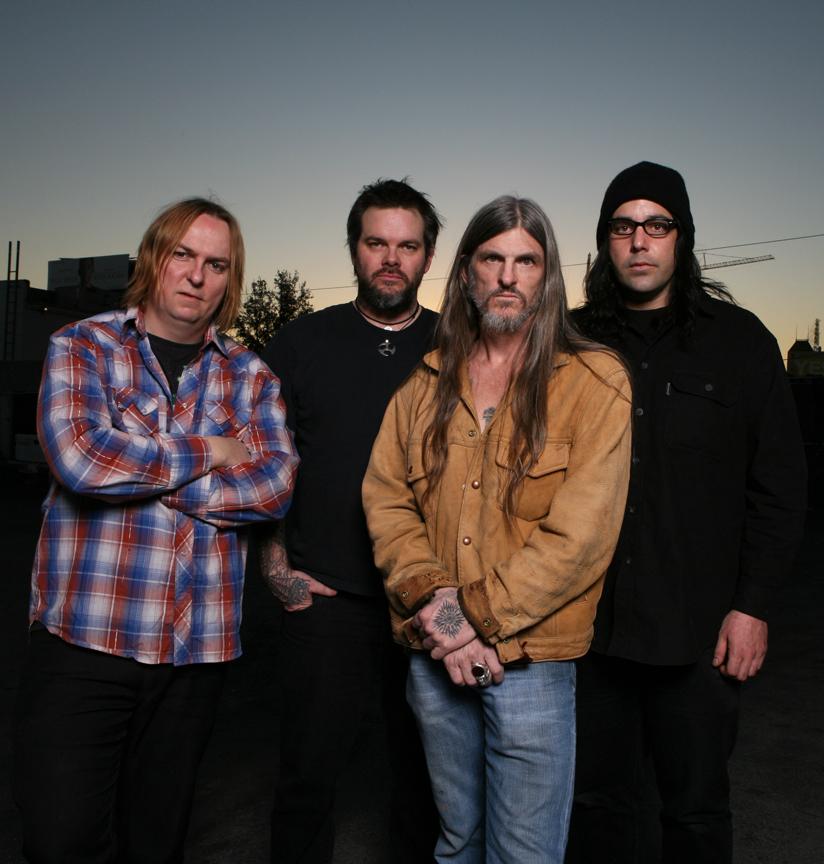
Zoroaster’s Spotify BioZoroaster was formed in the summer of 2003 by Brent Anderson (bass & vocals), Will Fiore (guitar & vocals), and Rod Fiore (drums), three former colleagues in the defunct group Terminal Doom Explosion who rediscovered their mutual interests in primal, concrete sludge-doom when they began rehearsing and performing on an almost nightly basis, in and around their native Atlanta, GA/ Influenced by heavy metal progenitors Black Sabbath, black metal founders like Venom and Celtic Frost, later-day doom disciples such as Sleep and Electric Wizard, and, naturally, Southern sludge masters like Eyehategod and Acid Bath, Zoroaster drew the attentions of Battle Kommand Records with their 2005 demo, which, after a few tweaks and improvements, was released as their debut eponymous mini-album the following year. Positive press soon led to the group's signing to Southern Lord for the release of their first full-length album, Dog Magic, in 2007, and their second long-player, Voice of Saturn, emerged two… years later on their own Terminal Doom label. In 2010, the band continued their fusion of classic doom with psychedelic and shoegaze elements, releasing Matador on E1. ~ Eduardo Rivadavia, Rovi
Viberate is a music analytics platform built for A&Rs, artist managers, labels, booking agents, marketers, and artists.
It helps music professionals track artist growth, analyze audience data, monitor playlist activity, compare artists, follow song performance, and identify opportunities across the music market.
Public artist pages provide a free preview of selected artist data. Paid plans provide access to deeper analytics, historical data, charts, comparisons, playlist tools, exports, alerts, reports, and additional professional features.
Yes. Public Viberate artist pages provide selected artist analytics and music data for free.
Viberate also offers a 7-day free trial of the full platform. A credit card is required to start the trial. The trial includes access to the complete product so users can test deeper artist analytics, historical views, playlist insights, comparisons, charts, exports, alerts, and reporting features before choosing a paid plan.
Viberate provides artist analytics across streaming, playlists, social media, video, radio airplay, songs, and audience markets.
Users can analyze Spotify performance, Spotify and Apple Music playlists, YouTube activity, TikTok and Instagram growth, radio spins, song performance, audience locations, demographics, rankings, and overall artist momentum.
Artist profiles also connect to music charts, similar artists, and comparison tools, helping users benchmark performance and evaluate artists in context.
Viberate updates key artist and track data daily.
For followed artists and tracks, selected data is refreshed multiple times per day. This helps teams monitor playlist changes, streaming movement, audience growth, releases, and campaign performance with more current data.
Update frequency can vary depending on the metric and data source.
Yes. Viberate lets users compare up to five artists side by side across streaming, social media, audience, and engagement metrics.
Users can compare fanbase growth, audience demographics, locations, Spotify performance, social metrics, and other artist data over selected time periods.
Artist comparison can be used for A&R scouting, benchmarking, booking decisions, campaign planning, and evaluating artists with similar audiences or market positions.