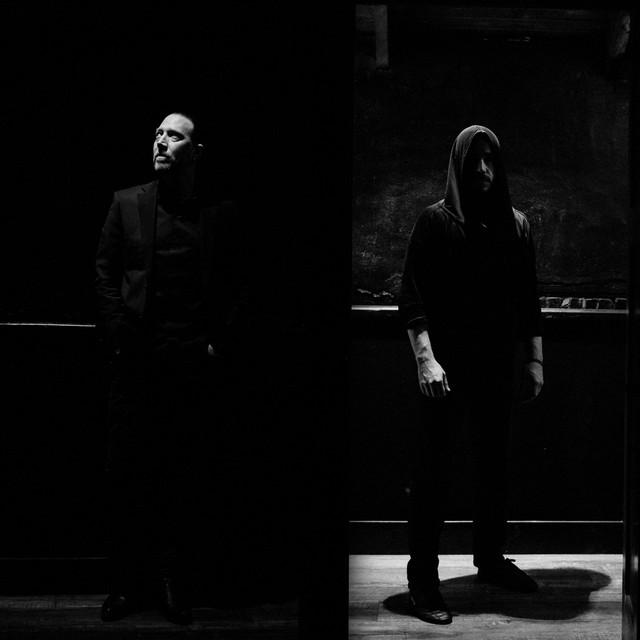
Zombi

Rock
Progressive Rock
Space Rock
 Viberate Rank: 166251
 Viberate Rank: 166251
 Monthly ListenersFollowers
 Subscribers
 Followers
 Followers
 FansTop Spotify Songs
| Track | 7-Day Streams | |
|---|---|---|
1 | 444 | |
2 | 369 | |
3 | 217 | |
4 | 188 | |
5 | 143 |
Top YouTube VideosMonthly ListenersFeatured in Playlists| Playlist | Followers | |
|---|---|---|
1 |  Heavy Metal Instrumentals 🎸 JaviFlames | 13.78K |
2 |  80s Sci-Fi Ambience / Synthwave sorrowschild | 9.14K |
3 |  Synthwave Covers MetroVeteran | 9.13K |
4 |  Neo-80's / Synthwave / Outrun YES HOT ASHES | 8.86K |
5 |  Outrun / futuresynth Lee Gray | 7.52K |
Audience| City | Monthly Listeners | |
|---|---|---|
1 | | 131 |
2 | | 92 |
3 | | 90 |
4 | | 86 |
5 |  | 80 |
See full performance history, audience data, playlist activity, rankings, comparisons, and more in Viberate music analytics. Start with a free trial, then continue with a paid plan.
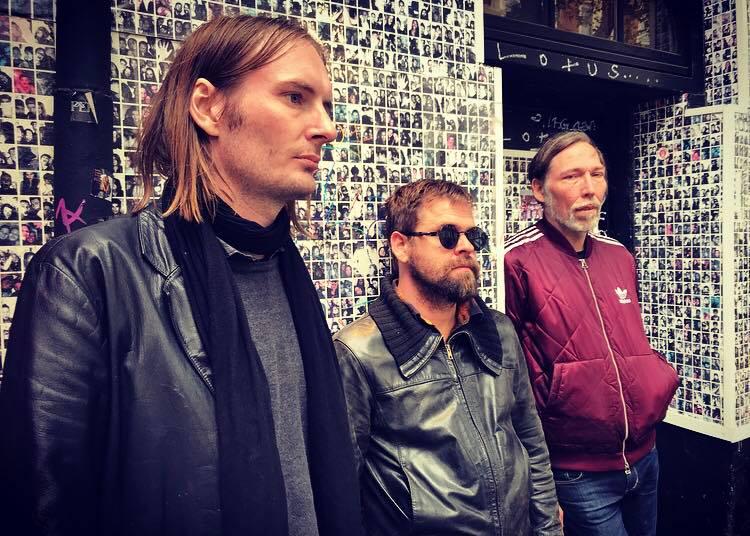
Zombi’s Spotify BioAn instrumental duo with a remarkably massive sound, Zombi are equally inspired by horror movie soundtrack maestros like John Carpenter and Goblin, electronic pioneers such as Tangerine Dream and Vangelis, and prog rock wizards like King Crimson and Genesis. Frequently eschewing guitar in favor of bass, drums, and plenty of analog synths, Zombi's fascination with horror scores peaked on 2004's debut album, Cosmos. Their horizons expanded with the vintage prog homages of 2006's Surface to Air and the fusions of Italo-disco and Krautrock on 2011's Escape Velocity, which presented different -- but equally genuine -- incarnations of their music. As the sounds Zombi championed early on became more popular in the 2010s, they switched gears. Following their 2013 bucket-list tour with Goblin, they went in a heavier, more rock-oriented direction, and 2015's Shape Shift, the riff-laden 2020, and 2024's improvisation-based Direct Inject suggested Zombi's epic sound and capacity for reinvention… were limitless.
When multi-instrumentalist Steve Moore and drummer A.E. Paterra joined forces as Zombi in 2000, they were both veterans of Pittsburgh's metal and no wave music scenes: Moore was a member of Microwaves, while Paterra played with the 1985. They were also steeped in the area's horror legacy. Moore grew up in Monroeville, Pennsylvania, where George A. Romero shot his 1978 classic Dawn of the Dead at the local mall; Paterra hailed from nearby Canonsburg, and his aunt worked on special effects wizard Tom Savini's 1990 remake of Night of the Living Dead. They bonded over their shared love of Goblin's music for Romero's films, and took inspiration from the Italian band's work for their own, more rock-oriented style.
Naming themselves for the Italian title for Dawn of the Dead, Zombi made their recorded debut in 2001 with a self-titled, self-released album, and followed it with 2003's Twilight Sentinel EP. Their eerie-yet-heavy sound and frequent tours won them fans in the horror community, and the opportunity to compose their first score came with Adam Wingard's 2003 debut film, Home Sick. In 2004, Zombi signed with Relapse Records, which released their official debut album, Cosmos, that August. That year, they also created the soundtrack for Nick Palumbo's Murder-Set-Pieces. In 2005, Moore and Paterra issued The Zombi Anthology, a limited-edition collection of their earliest releases, on their own VCO label. In addition, Moore struck out on his own to compose the score to the documentary Horror Business. In May 2006, Zombi released Surface to Air, a fuller and more expansive take on their style, and continued to tour extensively for the rest of the year.
Moore and Paterra decided to take a break from their intense live schedule after their 2007 tour with Trans Am and the Psychic Paramount ended. By the time of December 2007's Digitalis EP, Zombi were essentially a studio project. With Moore in New York and Paterra in Pittsburgh, the pair engaged in long-distance collaboration, building tracks by sharing files of their individual performances. This approach dovetailed with the more synth-heavy, electronic direction their music took starting with February 2009's Spirit Animal. Around the same time, Zombi issued a split album with their good friends Maserati. Later that year, Paterra released his solo debut as Majeure, Timespan, on that band's home, Temporary Residence. When Maserati's drummer Jerry Fuchs died in a tragic accident that November, Moore helped the band complete the final album they recorded with Fuchs, Pyramid of the Sun, and Paterra played drums on their tour in support of it. During this time, Moore and Paterra worked on other projects, together and on their own, that included the 2011 Majeure EP Synthesizer of the Gods. In May of that year, they returned as Zombi with Escape Velocity, their most dance-influenced album yet.
After Escape Velocity's release, Moore and Paterra further expanded their horizons with their projects outside of Zombi. Along with collaborating on 2012's Brainstorm, a split release between Moore and Majeure, their other releases included Moore's album Light Echoes; Burning Feeling, the debut from his solo project Lovelock; Mercury, the first full-length from his collaboration with Daniel O'Sullivan as Miracle; and Majeure's second album, Solar Maximum. The duo revived Zombi in 2013 when they got the chance to support their heroes Goblin on the veteran band's U.S. tour. For their first live dates in six years, Moore and Paterra played a set of vintage Zombi material that was so well-received that Moore became an auxiliary keyboardist for Goblin on the tour's later dates. Playing live rekindled their love for the heavier side of their music, and as they continued to work on their own projects (such as Moore's scores for the Wingard film The Guest and the Belgian film Cub), they planned their first Zombi album in four years. Recorded at Pittsburgh's Machine Age Studios and Moore's own central New York studio, October 2015's Shape Shift was some of the duo's heaviest and most direct music since Surface to Air. That year, Relapse also reissued The Zombi Anthology.
For a few years, Paterra and Moore returned to their other obligations. Paterra juggled his duties in Contact, the duo he formed with filmmaker/musician Paul Lawler, with his work as Majeure and composed the score to the 2018 film The Cure. Meanwhile, Moore reunited with O'Sullivan for 2018's Miracle album Strife of Love in a Dream and issued the solo album Beloved Exile the following year. He also remained busy as a composer, creating the scores for films including 2017's Mayhem and a pair of 2020 features by director Joe Beegis, Bliss and VFW. The latter two scores used more guitar than most of Moore's music, an approach that rubbed off on Zombi's next album, 2020. Released in July of its namesake year, it built on Shape Shift's prog rock epics and featured additional guitar courtesy of Trans Am's Phil Manley. The duo's May 2021 EP Liquid Crystal expanded on 2020's sound with more moody, rangy, guitar- and synth-driven explorations. A year later, they teamed up with members of the Sword, Trans Am, Pinkish Black, and Zao on Zombi & Friends, Vol. 1, which found them interpreting songs by the Doobie Brothers, Dionne Warwick, and Eddie Rabbit among others.
In between tours with the Sword and OM, Zombi started work on their seventh album in late 2022. Moore and Paterra improvised ideas at their friend Fred Weaver's studio in Clearfield, Pennsylvania, then fine-tuned them at their own home studios. Appearing 20 years after Cosmos' release, Direct Inject arrived in March 2024. Featuring contributions from Manley and Zao percussionist Jeff Gretz, the album ranged from synth-driven hard rock to R&B-inspired slow jams.~ Heather Phares
Viberate is a music analytics platform built for A&Rs, artist managers, labels, booking agents, marketers, and artists.
It helps music professionals track artist growth, analyze audience data, monitor playlist activity, compare artists, follow song performance, and identify opportunities across the music market.
Public artist pages provide a free preview of selected artist data. Paid plans provide access to deeper analytics, historical data, charts, comparisons, playlist tools, exports, alerts, reports, and additional professional features.
Yes. Public Viberate artist pages provide selected artist analytics and music data for free.
Viberate also offers a 7-day free trial of the full platform. A credit card is required to start the trial. The trial includes access to the complete product so users can test deeper artist analytics, historical views, playlist insights, comparisons, charts, exports, alerts, and reporting features before choosing a paid plan.
Viberate provides artist analytics across streaming, playlists, social media, video, radio airplay, songs, and audience markets.
Users can analyze Spotify performance, Spotify and Apple Music playlists, YouTube activity, TikTok and Instagram growth, radio spins, song performance, audience locations, demographics, rankings, and overall artist momentum.
Artist profiles also connect to music charts, similar artists, and comparison tools, helping users benchmark performance and evaluate artists in context.
Viberate updates key artist and track data daily.
For followed artists and tracks, selected data is refreshed multiple times per day. This helps teams monitor playlist changes, streaming movement, audience growth, releases, and campaign performance with more current data.
Update frequency can vary depending on the metric and data source.
Yes. Viberate lets users compare up to five artists side by side across streaming, social media, audience, and engagement metrics.
Users can compare fanbase growth, audience demographics, locations, Spotify performance, social metrics, and other artist data over selected time periods.
Artist comparison can be used for A&R scouting, benchmarking, booking decisions, campaign planning, and evaluating artists with similar audiences or market positions.