Zoe Graham

Pop
Mainstream Pop
Indie Rock
 Viberate Rank: 334016
 Viberate Rank: 334016
 Monthly ListenersFollowers
 Subscribers
 Followers
 Followers
 FansTop Spotify Songs
| Track | 7-Day Streams | |
|---|---|---|
1 | 92 | |
2 | 55 | |
3 | 47 | |
4 | 38 | |
5 | 37 |
Top YouTube VideosMonthly ListenersFeatured in Playlists| Playlist | Followers | |
|---|---|---|
1 | Guy Garvey's Finest Hour 🔊 (BBC 6 Music) reacharound98 | 3.28K |
2 |  The Sound of Scottish Indie The Sounds of Spotify | 1.53K |
3 |  TRNSMT 2019 John Hamilton | 1.51K |
4 |  Reeperbahn Festival 2024 Reeperbahn Festival | 1.05K |
Audience| City | Monthly Listeners | |
|---|---|---|
1 | | 77 |
2 | | 76 |
3 | | 34 |
4 | | 29 |
5 |  | 14 |
See full performance history, audience data, playlist activity, rankings, comparisons, and more in Viberate music analytics. Start with a free trial, then continue with a paid plan.
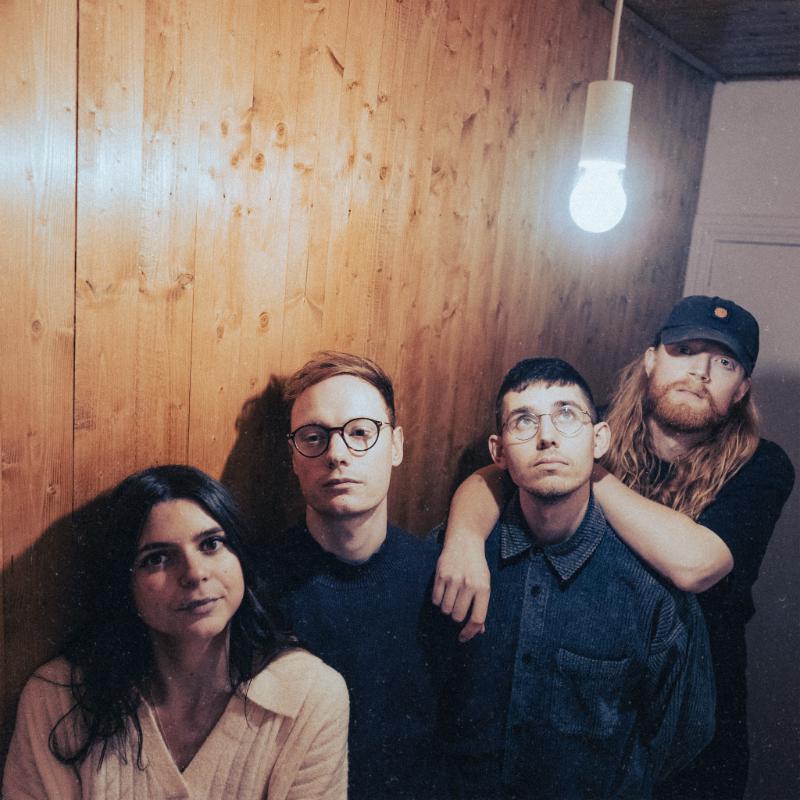
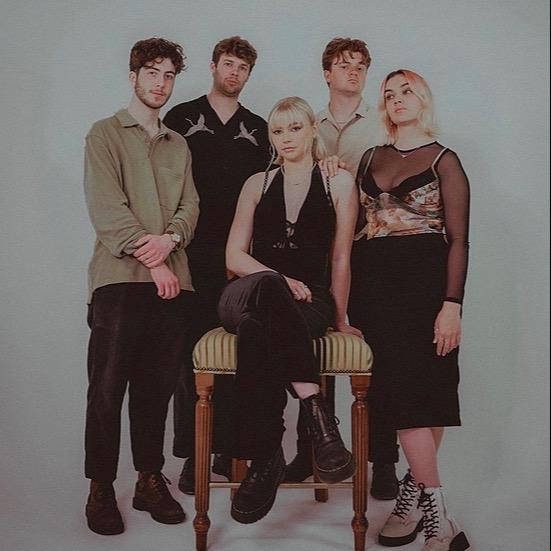
Zoe Graham’s Spotify BioZoe Graham writes songs that feel like doing push-ups on the moon: heavy, but with an unmistakably light touch. Her debut album —TENT — out 21 March, has all the intimacy and vulnerability of the therapist’s chaise longue, but with the door flung wide open for others to listen in.
Guitars curdle with plush synths and tautly machined drums, as Zoe draws influence from Kate Bush (she shares a knack for catch-you-off-guard choruses with the ‘80s icon), St Vincent (Daddy’s Home was a regular backing sound during writing sessions for TENT), and Beck (“he’s very free as a songwriter; everything’s thought through, but it’s not painstaking”). She leans on David Bowie’s advice not to stay grounded in your deep pool of ideas, but rather to push up and off, and let your toes just brush the floor from time to time.
Zoe has previously shared stages with artists including Jenny Hval, Lo Moon, Gurriers, ARXX, Kate Nash, Rae Morris, Hamish Hawk and more.
Viberate is a music analytics platform built for A&Rs, artist managers, labels, booking agents, marketers, and artists.
It helps music professionals track artist growth, analyze audience data, monitor playlist activity, compare artists, follow song performance, and identify opportunities across the music market.
Public artist pages provide a free preview of selected artist data. Paid plans provide access to deeper analytics, historical data, charts, comparisons, playlist tools, exports, alerts, reports, and additional professional features.
Yes. Public Viberate artist pages provide selected artist analytics and music data for free.
Viberate also offers a 7-day free trial of the full platform. A credit card is required to start the trial. The trial includes access to the complete product so users can test deeper artist analytics, historical views, playlist insights, comparisons, charts, exports, alerts, and reporting features before choosing a paid plan.
Viberate provides artist analytics across streaming, playlists, social media, video, radio airplay, songs, and audience markets.
Users can analyze Spotify performance, Spotify and Apple Music playlists, YouTube activity, TikTok and Instagram growth, radio spins, song performance, audience locations, demographics, rankings, and overall artist momentum.
Artist profiles also connect to music charts, similar artists, and comparison tools, helping users benchmark performance and evaluate artists in context.
Viberate updates key artist and track data daily.
For followed artists and tracks, selected data is refreshed multiple times per day. This helps teams monitor playlist changes, streaming movement, audience growth, releases, and campaign performance with more current data.
Update frequency can vary depending on the metric and data source.
Yes. Viberate lets users compare up to five artists side by side across streaming, social media, audience, and engagement metrics.
Users can compare fanbase growth, audience demographics, locations, Spotify performance, social metrics, and other artist data over selected time periods.
Artist comparison can be used for A&R scouting, benchmarking, booking decisions, campaign planning, and evaluating artists with similar audiences or market positions.