Zip-Tie Handcuffs

Rock
Alternative Rock
Garage Rock
 Viberate Rank: 478265
 Viberate Rank: 478265
 Monthly ListenersFollowers
 Subscribers
 Followers
 Followers
 FansTop Spotify Songs
| Track | 7-Day Streams | |
|---|---|---|
1 | 207 | |
2 | 135 | |
3 | 102 | |
4 | 35 | |
5 | 25 |
Top YouTube VideosMonthly ListenersFeatured in Playlists| Playlist | Followers | |
|---|---|---|
1 | Shameless US Soundtrack (S1-S10) Katia Muscariello | 19.83K |
2 |  Xmas Punk : Christmas Punk Rock Fernando Crow | 14.05K |
3 | Garage Rock: Emerging & Established Ryan Rutter | 7.93K |
4 |  Garage Punk / Lo-Fi Nick Seaney | 5.40K |
5 |  Shameless US Soundtrack (S1-S11) Fabian | 5.29K |
Audience| City | Monthly Listeners | |
|---|---|---|
1 | | 29 |
2 | | 25 |
3 |  | 20 |
4 |  | 19 |
5 | | 19 |
See full performance history, audience data, playlist activity, rankings, comparisons, and more in Viberate music analytics. Start with a free trial, then continue with a paid plan.
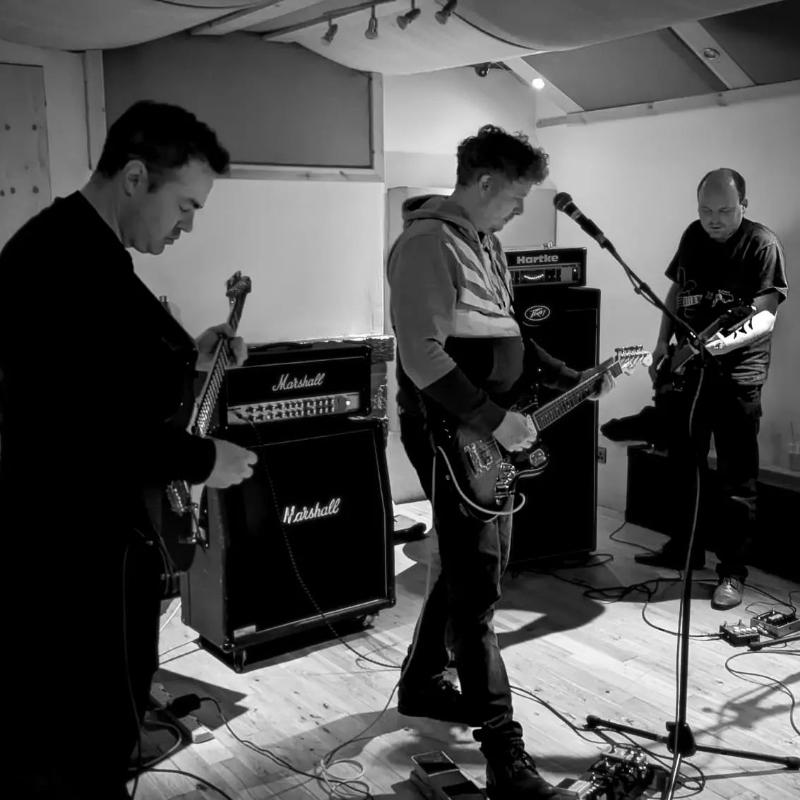
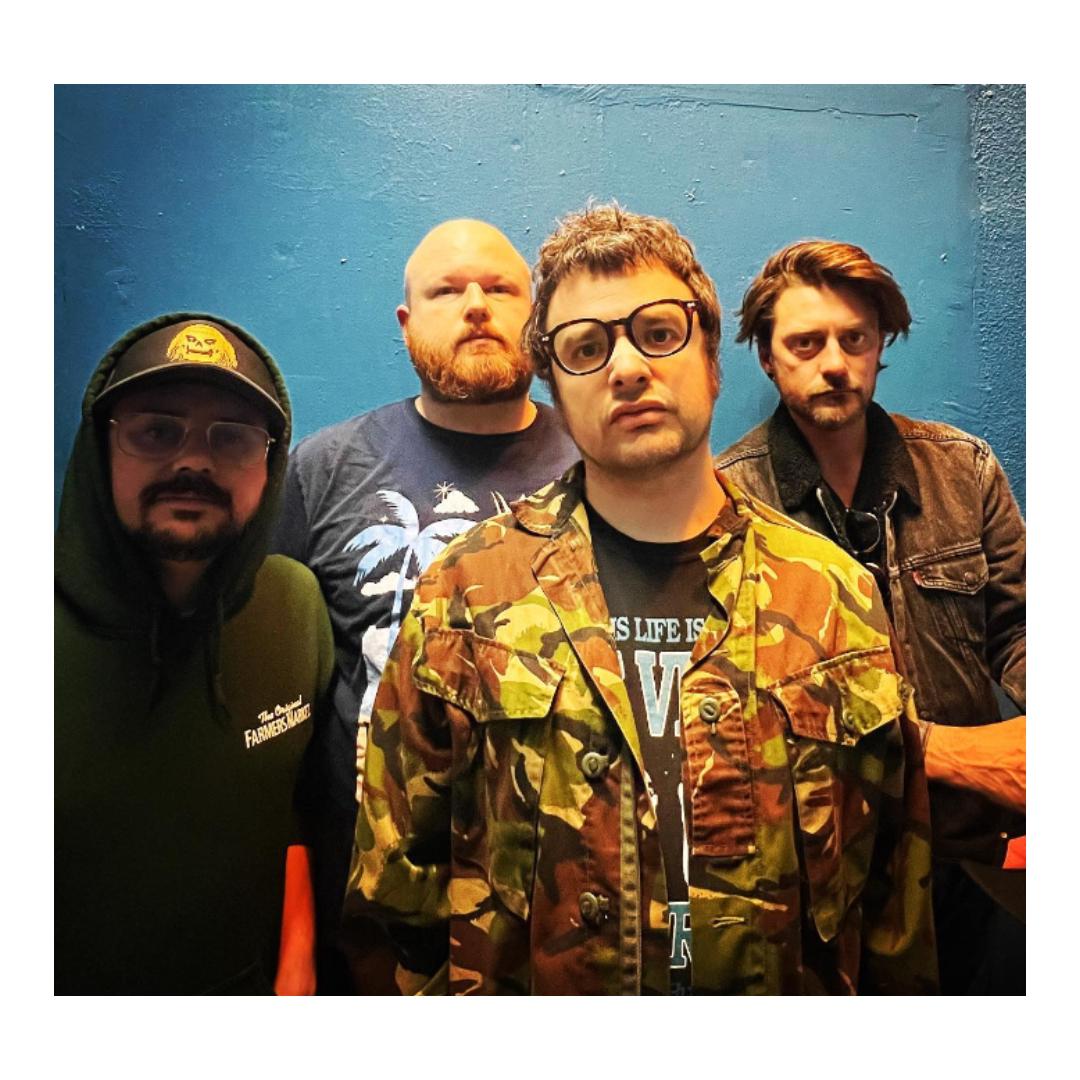
Zip-Tie Handcuffs’ Spotify BioFormed in 2008 in Boston, Massachusetts by Matt Ford (guitar, vocals) Ian Grinold (bass, vocals) and Max Levy (drums, vocals) fusing influences in punk, psychedelic rock, 60's pop and surf.
Zip-Tie Handcuffs have released 6 albums to date with their 7th album “Moss” set to be released on May 31st, 2024. Their catalog has spanned from noisy street punk to heavy, fast stoner rock to sun-soaked psych rock n' roll.
Their live show has garnered attention as winners of the Boston Rock n Roll Rumble in 2015, as well as being nominated for Live Artist of the Year and winner of Punk/Hardcore artist of the year at the Boston Music Awards in 2015. They have shared the stage with notable acts such as Fuzz, Wand, Together Pangea, Night Beats, and Jacuzzi Boys.
In 2017 Jerome Badot joined the group on Bass, as Ian took time off to focus more time on family. 2023 saw Ian’s return to the band, this time on second guitar, with Jerome remaining on the bass.
Viberate is a music analytics platform built for A&Rs, artist managers, labels, booking agents, marketers, and artists.
It helps music professionals track artist growth, analyze audience data, monitor playlist activity, compare artists, follow song performance, and identify opportunities across the music market.
Public artist pages provide a free preview of selected artist data. Paid plans provide access to deeper analytics, historical data, charts, comparisons, playlist tools, exports, alerts, reports, and additional professional features.
Yes. Public Viberate artist pages provide selected artist analytics and music data for free.
Viberate also offers a 7-day free trial of the full platform. A credit card is required to start the trial. The trial includes access to the complete product so users can test deeper artist analytics, historical views, playlist insights, comparisons, charts, exports, alerts, and reporting features before choosing a paid plan.
Viberate provides artist analytics across streaming, playlists, social media, video, radio airplay, songs, and audience markets.
Users can analyze Spotify performance, Spotify and Apple Music playlists, YouTube activity, TikTok and Instagram growth, radio spins, song performance, audience locations, demographics, rankings, and overall artist momentum.
Artist profiles also connect to music charts, similar artists, and comparison tools, helping users benchmark performance and evaluate artists in context.
Viberate updates key artist and track data daily.
For followed artists and tracks, selected data is refreshed multiple times per day. This helps teams monitor playlist changes, streaming movement, audience growth, releases, and campaign performance with more current data.
Update frequency can vary depending on the metric and data source.
Yes. Viberate lets users compare up to five artists side by side across streaming, social media, audience, and engagement metrics.
Users can compare fanbase growth, audience demographics, locations, Spotify performance, social metrics, and other artist data over selected time periods.
Artist comparison can be used for A&R scouting, benchmarking, booking decisions, campaign planning, and evaluating artists with similar audiences or market positions.