Zero Hour

Metal
Progressive Metal
 Viberate Rank: 340618
 Viberate Rank: 340618
 Monthly ListenersFollowers
 Subscribers
 Followers
 Followers
 FansTop Spotify Songs
| Track | 7-Day Streams | |
|---|---|---|
1 | 146 | |
2 | 94 | |
3 | 67 | |
4 | 40 | |
5 | 34 |
Top YouTube VideosMonthly ListenersFeatured in Playlists| Playlist | Followers | |
|---|---|---|
1 | Melodic-Progressive-Metal genus amoris | 4.06K |
2 |  HEAVY ROTATION - All New Metal & Hard Rock JEITEMILLER | 1.39K |
Audience| City | Monthly Listeners | |
|---|---|---|
1 |  | 35 |
2 |  | 19 |
3 |  | 13 |
4 |  | 12 |
5 |  | 11 |
See full performance history, audience data, playlist activity, rankings, comparisons, and more in Viberate music analytics. Start with a free trial, then continue with a paid plan.
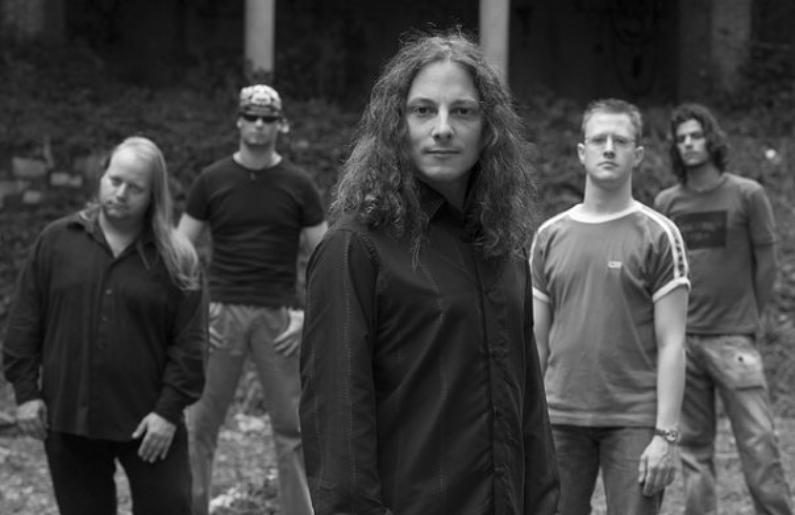
Zero Hour’s Spotify BioProgressive metal outfit Zero Hour was formed in the San Francisco Bay area in 1993 by brothers Troy (bass) and Jasun Tipton (guitar), along with longtime friend Mike Guy (drums). The search for a vocalist seemed to be over when Frank Mendez (formerly of Rogue's Gallery) joined in 1995, along with keyboardist Mike Conner (ex-Prodigy -- not the electronica group or the rap artist). However, Mendez was gone before year's end, and Conner helped recruit his former bandmate Erik Rosvold to take Mendez's place. Unfortunately, Conner developed carpal tunnel syndrome as the group was preparing to record its debut album in 1997, and was forced to leave. His place was taken on record by the tag team of Matt Guillory and Phil Bennett, both veterans of many a prog session. The band self-released its self-produced, self-titled mini-album in 1998, and it eventually landed Zero Hour a deal with the neo-prog label Laser's Edge/Sensory. Their major label debut, The Towers of Avarice, was issued in… early 2001. ~ Steve Huey, Rovi
Viberate is a music analytics platform built for A&Rs, artist managers, labels, booking agents, marketers, and artists.
It helps music professionals track artist growth, analyze audience data, monitor playlist activity, compare artists, follow song performance, and identify opportunities across the music market.
Public artist pages provide a free preview of selected artist data. Paid plans provide access to deeper analytics, historical data, charts, comparisons, playlist tools, exports, alerts, reports, and additional professional features.
Yes. Public Viberate artist pages provide selected artist analytics and music data for free.
Viberate also offers a 7-day free trial of the full platform. A credit card is required to start the trial. The trial includes access to the complete product so users can test deeper artist analytics, historical views, playlist insights, comparisons, charts, exports, alerts, and reporting features before choosing a paid plan.
Viberate provides artist analytics across streaming, playlists, social media, video, radio airplay, songs, and audience markets.
Users can analyze Spotify performance, Spotify and Apple Music playlists, YouTube activity, TikTok and Instagram growth, radio spins, song performance, audience locations, demographics, rankings, and overall artist momentum.
Artist profiles also connect to music charts, similar artists, and comparison tools, helping users benchmark performance and evaluate artists in context.
Viberate updates key artist and track data daily.
For followed artists and tracks, selected data is refreshed multiple times per day. This helps teams monitor playlist changes, streaming movement, audience growth, releases, and campaign performance with more current data.
Update frequency can vary depending on the metric and data source.
Yes. Viberate lets users compare up to five artists side by side across streaming, social media, audience, and engagement metrics.
Users can compare fanbase growth, audience demographics, locations, Spotify performance, social metrics, and other artist data over selected time periods.
Artist comparison can be used for A&R scouting, benchmarking, booking decisions, campaign planning, and evaluating artists with similar audiences or market positions.