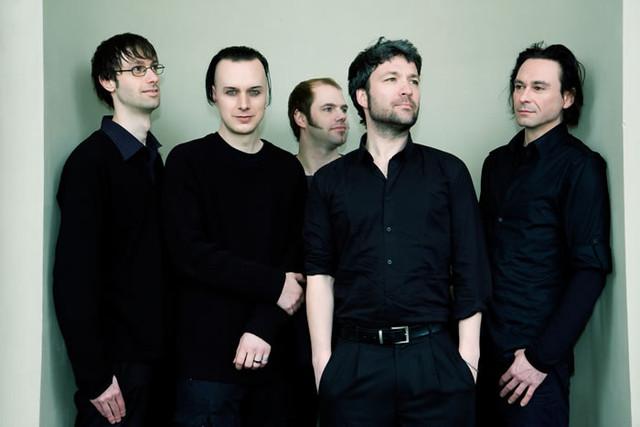
Zeraphine

Rock
Alternative Rock
Gothic Metal
 Viberate Rank: 114017
 Viberate Rank: 114017
 Monthly ListenersFollowers
 Subscribers
 Followers
 Followers
 FansTop Spotify Songs
| Track | 7-Day Streams | |
|---|---|---|
1 | 12.22K | |
2 | 8.19K | |
3 | 7.26K | |
4 | 6.31K | |
5 | 5.83K |
Top YouTube Videos| Video | 7-Day Views | |
|---|---|---|
1 | 114 | |
2 | 5 |
Monthly ListenersFeatured in Playlists| Playlist | Followers | |
|---|---|---|
1 |  Gothic Club Hits: Goth, Darkwave, Deathrock, EBM & Industrial netti | 29.18K |
2 |  Industrial | EBM | Darkwave | Dark Electro | Aggrotech | Industrial Techno by DARKLARK darklark | 22.25K |
3 |  GOTHIC METAL & GOTHIC ROCK KiraGaragoru | 19.38K |
4 | Gothic rock | Deathrock | Postpunk | Darkwave by DARKLARK darklark | 8.42K |
5 |  INDUSTRIAL ROCK - INDUSTRIAL METAL Orkus! | 5.17K |
Audience| City | Monthly Listeners | |
|---|---|---|
1 |  | 1.57K |
2 |  | 1.01K |
3 | | 965 |
4 |  | 844 |
5 | | 772 |
See full performance history, audience data, playlist activity, rankings, comparisons, and more in Viberate music analytics. Start with a free trial, then continue with a paid plan.
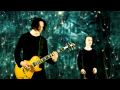
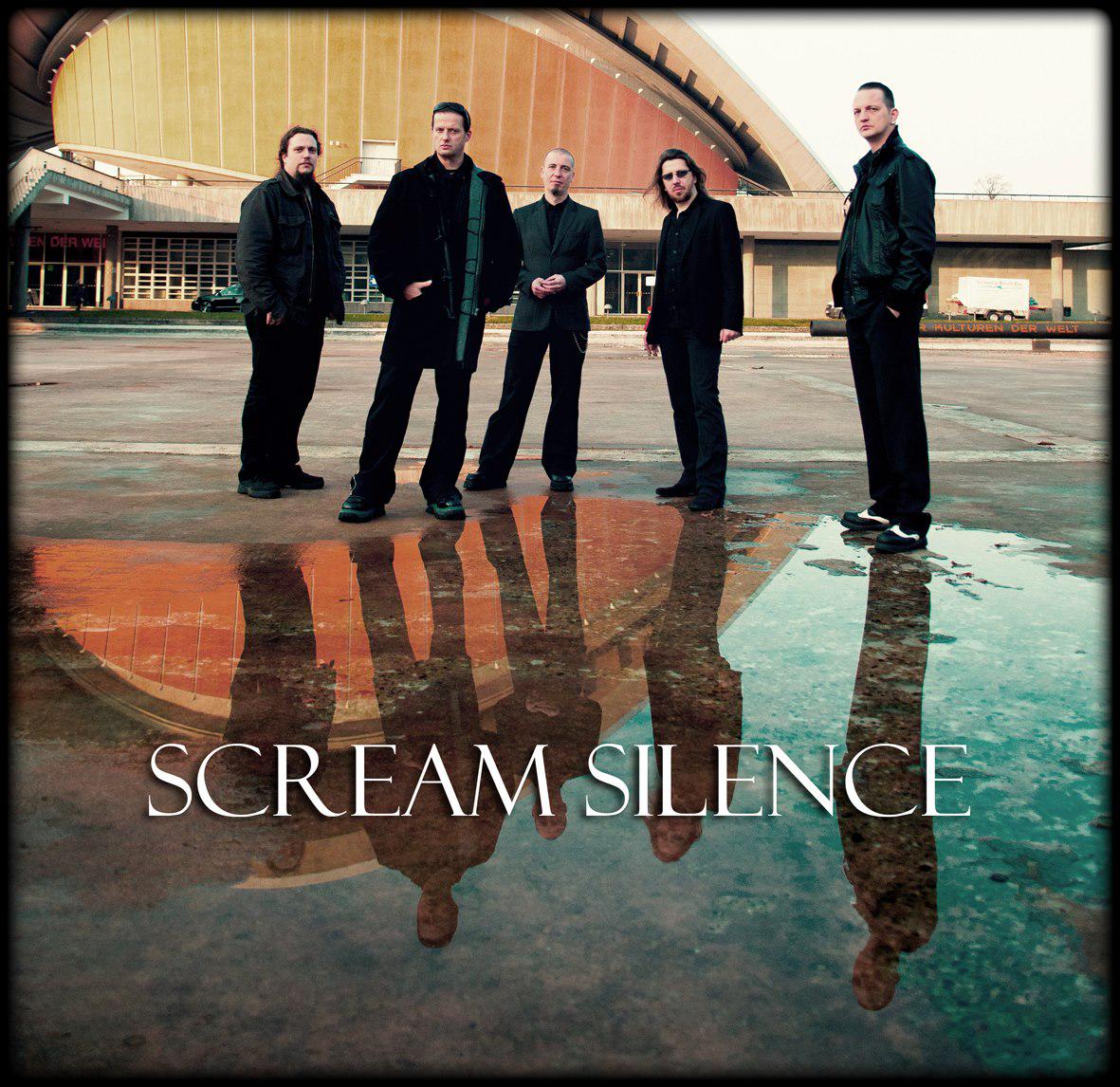
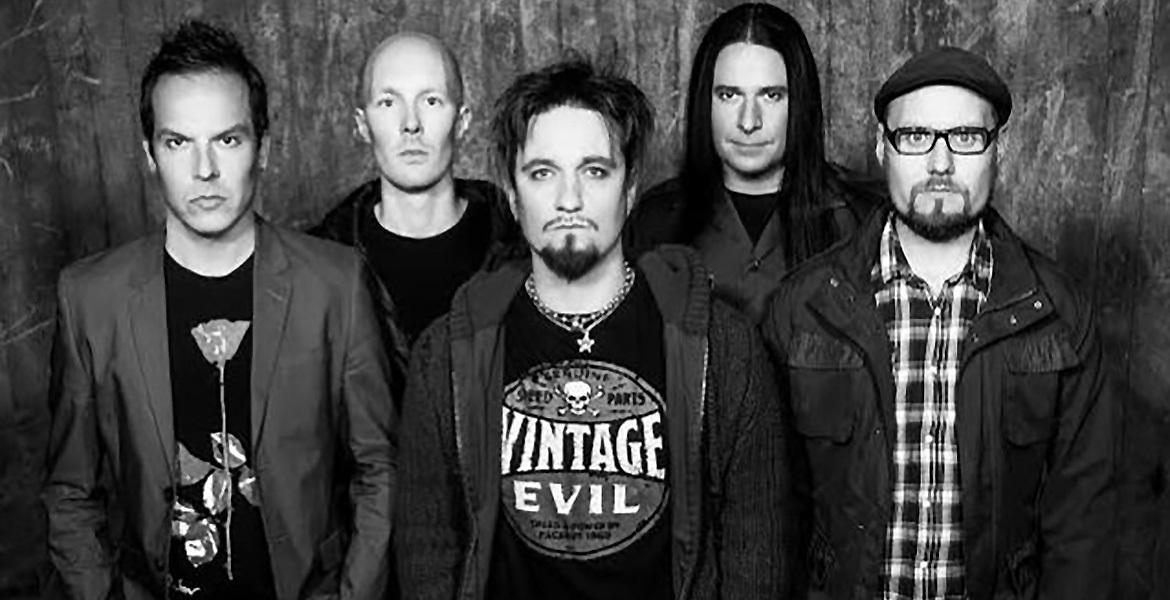
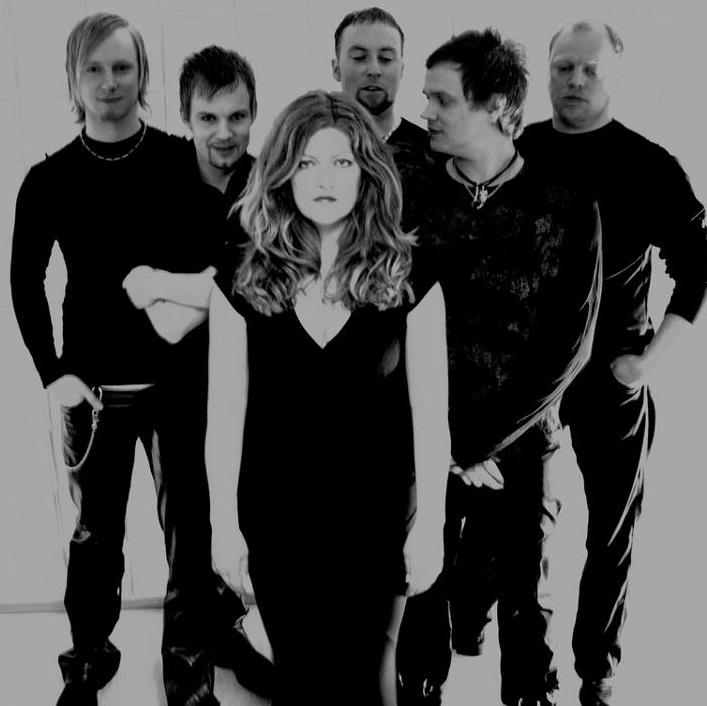
Zeraphine’s Spotify BioZeraphine, a bilingual goth-rooted alternative rock band from Berlin, arose from the demise of Dreadful Shadows, an influential English-language German darkwave band from the 1990s. Zeraphine was founded in 2000 by vocalist/lyricist Sven Friedrich and guitarist Norman Selbig, who had been among the founding members of Dreadful Shadows (whose existence lasted from 1993 to 2000 and resulted in four albums). Together with renowned Berlin producer Thommy Hein, Friedrich and Selbig conceived their new band as Helix; however, when they later discovered that name had already been taken, they decided instead upon Zeraphine, which is derived from the Hebrew word seraph (i.e., a celestial being with six wings, two hands, and a human voice), whose plural form, seraphim, appears most notably in the Old Testament Book of Isaiah (6:1-3): "...I saw the Lord sitting upon a throne, high and lifted up; and His train filled the Hekhal (i.e., sanctuary). Above Him stood the Seraphim; each had six wings:… with two he covered his face, and with two he covered his feet, and with two he flew." Joining Friedrich and Selbig in Zeraphine were guitarist Manuel Senger, bassist Michael Nepp, and drummer Marcellus Puhlemann.
With the name Zeraphine settled upon, a full lineup in place, and producer Thommy Hein at command, the band went about recording its debut album, Kalte Sonne (2002), for the Drakkar Entertainment label. The album was entirely sung in German, which was a departure from Friedrich's work in Dreadful Shadows, for which he sung in English. Characterized by alternating moods of aggression and melancholia, along with dark, emotional songwriting, Kalte Sonne proved successful on several counts; in particular, fans responded well to the evocative German-language lyrics, as the readers of Orkus magazine, for instance, voted the band Newcomer of the Year for 2002. Regardless, Traumaworld (2003), the band's second album, was bilingual, with 11 of the 13 songs sung in English, the remaining two in German. Friedrich explained, "It's difficult to express, but as far as I'm concerned, many of the songs simply have an English feel to them." The band's well-established fan base didn't seem to mind, more or less, as Traumaworld was hailed as a masterwork by many; plus, it was the band's first to chart, at number 80. Moreover, the English-language songs allowed for greater international appeal, particularly in neighboring European countries.
In 2004 Zeraphine released the New Years Day maxi-CD, which featured a cover of the early-'80s U2 hit, and also the Die Macht in Dir maxi-CD, which featured the lead single from their forthcoming album, Blind Camera (2005). This album, the band's third full-length effort, was even more bilingual than Traumaworld, with English and German employed interchangably. Blind Camera was the most popular Zeraphine album yet, climbing all the way to number 33 on the German chart; the single "Die Macht in Dir" also charted, at number 61, becoming the band's first genuine hit. Zeraphine then retreated from the widespread popularity of Blind Camera, which marked the end of their recording contract with Drakkar/Sony BMG. They decided, along with their producer, Thommy Hein, to form their own label, Phonyx. Still (2006) was their inaugural album release for the label, and though it didn't match the commercial success of its predecessors, it nonetheless sold remarkably well for an independent release, charting Top 50. A year later Drakkar released Years in Black (2007), a retrospective best-of collection covering Zeraphine's tenure with the label. ~ Jason Birchmeier, Rovi
Viberate is a music analytics platform built for A&Rs, artist managers, labels, booking agents, marketers, and artists.
It helps music professionals track artist growth, analyze audience data, monitor playlist activity, compare artists, follow song performance, and identify opportunities across the music market.
Public artist pages provide a free preview of selected artist data. Paid plans provide access to deeper analytics, historical data, charts, comparisons, playlist tools, exports, alerts, reports, and additional professional features.
Yes. Public Viberate artist pages provide selected artist analytics and music data for free.
Viberate also offers a 7-day free trial of the full platform. A credit card is required to start the trial. The trial includes access to the complete product so users can test deeper artist analytics, historical views, playlist insights, comparisons, charts, exports, alerts, and reporting features before choosing a paid plan.
Viberate provides artist analytics across streaming, playlists, social media, video, radio airplay, songs, and audience markets.
Users can analyze Spotify performance, Spotify and Apple Music playlists, YouTube activity, TikTok and Instagram growth, radio spins, song performance, audience locations, demographics, rankings, and overall artist momentum.
Artist profiles also connect to music charts, similar artists, and comparison tools, helping users benchmark performance and evaluate artists in context.
Viberate updates key artist and track data daily.
For followed artists and tracks, selected data is refreshed multiple times per day. This helps teams monitor playlist changes, streaming movement, audience growth, releases, and campaign performance with more current data.
Update frequency can vary depending on the metric and data source.
Yes. Viberate lets users compare up to five artists side by side across streaming, social media, audience, and engagement metrics.
Users can compare fanbase growth, audience demographics, locations, Spotify performance, social metrics, and other artist data over selected time periods.
Artist comparison can be used for A&R scouting, benchmarking, booking decisions, campaign planning, and evaluating artists with similar audiences or market positions.