Zenttric

Rock
Indie Rock
Alternative Rock
 Viberate Rank: 143867
 Viberate Rank: 143867
 Monthly ListenersFollowers
 Subscribers
 Followers
 Followers
 FansTop Spotify Songs
| Track | 7-Day Streams | |
|---|---|---|
1 | 89.95K | |
2 | 1.46K | |
3 | 1.33K | |
4 | 1.29K | |
5 | 295 |
Top YouTube VideosMonthly ListenersFeatured in Playlists| Playlist | Followers | |
|---|---|---|
1 |  Las típicas canciones... de series Las Típicas Canciones Que No Sabes Cómo Se Llaman | 251.34K |
2 |  A GRITO PELADO by @raquelreitx Raquel Reitx | 53.42K |
3 |  POP ESPAÑOL DE AHORA Y SIEMPRE DMUSIC | 49.22K |
4 |  Valeria Season 1-2-3-4 Netflix LR | 31.52K |
5 |  El Solo 3.0 Gonzalo Montoya | 30.18K |
Audience| City | Monthly Listeners | |
|---|---|---|
1 | | 48.73K |
2 | | 20.24K |
3 | | 9.49K |
4 | | 5.80K |
5 | | 5.20K |
See full performance history, audience data, playlist activity, rankings, comparisons, and more in Viberate music analytics. Start with a free trial, then continue with a paid plan.
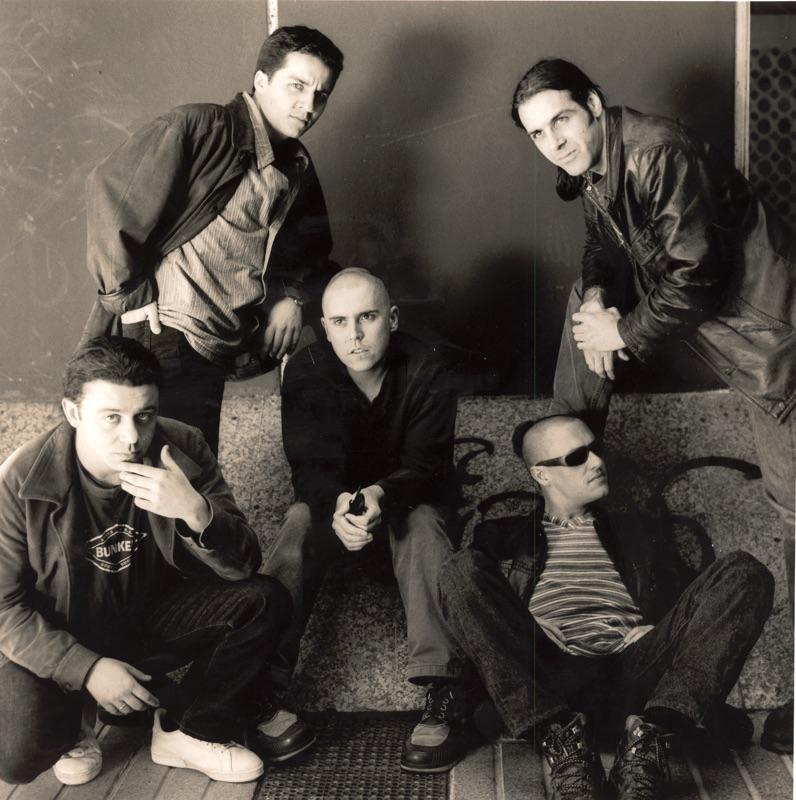
Zenttric’s Spotify BioZenttric formed in December 2005, when guitarist Mikel Otero and drummer Javi Moe began writing songs together in Bilbao, Spain. After singer Gutxi Bibang and bassist Jorge Murillo joined the lineup in early 2006, Zenttric -- whose name is an abbreviation of "excéntrico," the Spanish word for "eccentric" -- began uploading their energetic pop songs to MySpace. MySpace helped the band develop a wide audience outside of Bilbao, and by June 2007, the band had become popular enough to open for the Rolling Stones at Anoeta Stadium. Two years later, they released a self-titled debut album, which earned several nominations at the Spanish Music Awards and spawned the popular single "Sólo Quiero Bailar." Otero and Murillo left the lineup before Zenttric's next release, Tripolar. ~ Andrew Leahey, Rovi
Viberate is a music analytics platform built for A&Rs, artist managers, labels, booking agents, marketers, and artists.
It helps music professionals track artist growth, analyze audience data, monitor playlist activity, compare artists, follow song performance, and identify opportunities across the music market.
Public artist pages provide a free preview of selected artist data. Paid plans provide access to deeper analytics, historical data, charts, comparisons, playlist tools, exports, alerts, reports, and additional professional features.
Yes. Public Viberate artist pages provide selected artist analytics and music data for free.
Viberate also offers a 7-day free trial of the full platform. A credit card is required to start the trial. The trial includes access to the complete product so users can test deeper artist analytics, historical views, playlist insights, comparisons, charts, exports, alerts, and reporting features before choosing a paid plan.
Viberate provides artist analytics across streaming, playlists, social media, video, radio airplay, songs, and audience markets.
Users can analyze Spotify performance, Spotify and Apple Music playlists, YouTube activity, TikTok and Instagram growth, radio spins, song performance, audience locations, demographics, rankings, and overall artist momentum.
Artist profiles also connect to music charts, similar artists, and comparison tools, helping users benchmark performance and evaluate artists in context.
Viberate updates key artist and track data daily.
For followed artists and tracks, selected data is refreshed multiple times per day. This helps teams monitor playlist changes, streaming movement, audience growth, releases, and campaign performance with more current data.
Update frequency can vary depending on the metric and data source.
Yes. Viberate lets users compare up to five artists side by side across streaming, social media, audience, and engagement metrics.
Users can compare fanbase growth, audience demographics, locations, Spotify performance, social metrics, and other artist data over selected time periods.
Artist comparison can be used for A&R scouting, benchmarking, booking decisions, campaign planning, and evaluating artists with similar audiences or market positions.