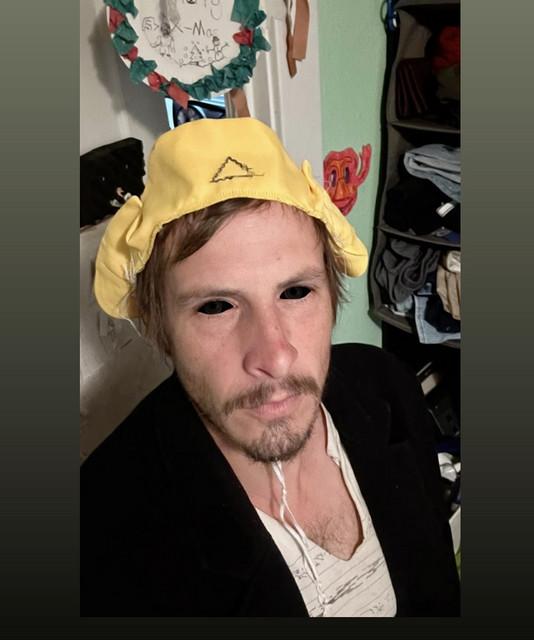
zannie

Pop
Indie Pop
 Viberate Rank: 428592
 Viberate Rank: 428592
 Monthly ListenersFollowers
 Subscribers
 Followers
 Followers
 FansTop Spotify Songs
| Track | 7-Day Streams | |
|---|---|---|
1 | 475 | |
2 | 420 | |
3 | 71 | |
4 | 68 | |
5 | 55 |
Top YouTube VideosMonthly ListenersFeatured in Playlists| Playlist | Followers | |
|---|---|---|
1 |  Oblique Spotify | 209.73K |
2 |  Things You Should Listen To Billie Marten | 9.07K |
3 |  songs to listen to when your doing homework Samantha Kramer | 8.34K |
4 |  UN-WRAPPED Derrick Gee | 8.33K |
5 |  Enneagram Type 4 Erica Summer | 4.22K |
Audience| City | Monthly Listeners | |
|---|---|---|
1 | | 41 |
2 | | 37 |
3 | | 31 |
4 | | 28 |
5 | | 23 |
See full performance history, audience data, playlist activity, rankings, comparisons, and more in Viberate music analytics. Start with a free trial, then continue with a paid plan.
zannie’s Spotify BioHow Do I Get That Star (coming August 19th) is Zannie Owens’ debut record under their own name, as well as the first release with Kill Rock Stars. Previously, they performed as Potted Plant and they co-helmed the band Really Big Pinecone alongside Michael Buishas (0 Stars, .michael). This latest effort is self-produced, and features contributions from friends in New York, as well as zannie’s brother Sam, who plays bass and also mixed the record. Made over the course of four years, the record deals with feelings of pining for the unknown, the mystical, and the mundane. To paraphrase zannie, the record was produced mitotically from their mind. The resulting 11 songs (picked precisely because of the number’s magical, symmetrical qualities), are warm to the touch. To listen to How Do I Get That Star is to immerse oneself in a sound bath or look up at the stars on a summer night in the middle of nowhere.
Viberate is a music analytics platform built for A&Rs, artist managers, labels, booking agents, marketers, and artists.
It helps music professionals track artist growth, analyze audience data, monitor playlist activity, compare artists, follow song performance, and identify opportunities across the music market.
Public artist pages provide a free preview of selected artist data. Paid plans provide access to deeper analytics, historical data, charts, comparisons, playlist tools, exports, alerts, reports, and additional professional features.
Yes. Public Viberate artist pages provide selected artist analytics and music data for free.
Viberate also offers a 7-day free trial of the full platform. A credit card is required to start the trial. The trial includes access to the complete product so users can test deeper artist analytics, historical views, playlist insights, comparisons, charts, exports, alerts, and reporting features before choosing a paid plan.
Viberate provides artist analytics across streaming, playlists, social media, video, radio airplay, songs, and audience markets.
Users can analyze Spotify performance, Spotify and Apple Music playlists, YouTube activity, TikTok and Instagram growth, radio spins, song performance, audience locations, demographics, rankings, and overall artist momentum.
Artist profiles also connect to music charts, similar artists, and comparison tools, helping users benchmark performance and evaluate artists in context.
Viberate updates key artist and track data daily.
For followed artists and tracks, selected data is refreshed multiple times per day. This helps teams monitor playlist changes, streaming movement, audience growth, releases, and campaign performance with more current data.
Update frequency can vary depending on the metric and data source.
Yes. Viberate lets users compare up to five artists side by side across streaming, social media, audience, and engagement metrics.
Users can compare fanbase growth, audience demographics, locations, Spotify performance, social metrics, and other artist data over selected time periods.
Artist comparison can be used for A&R scouting, benchmarking, booking decisions, campaign planning, and evaluating artists with similar audiences or market positions.