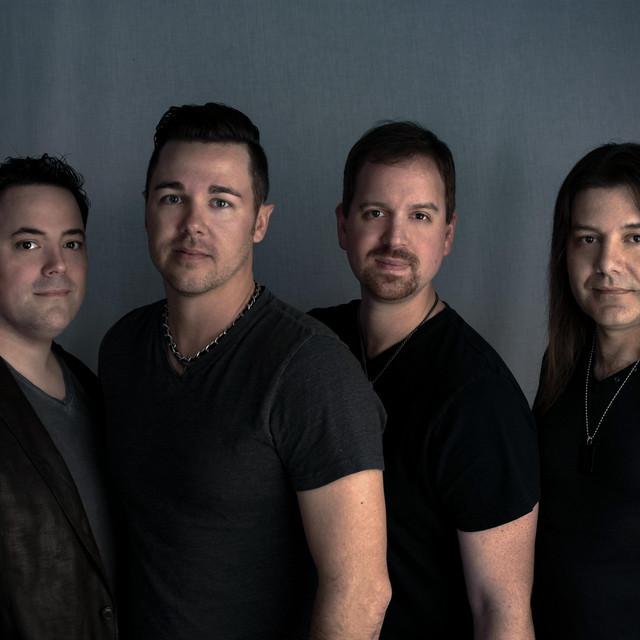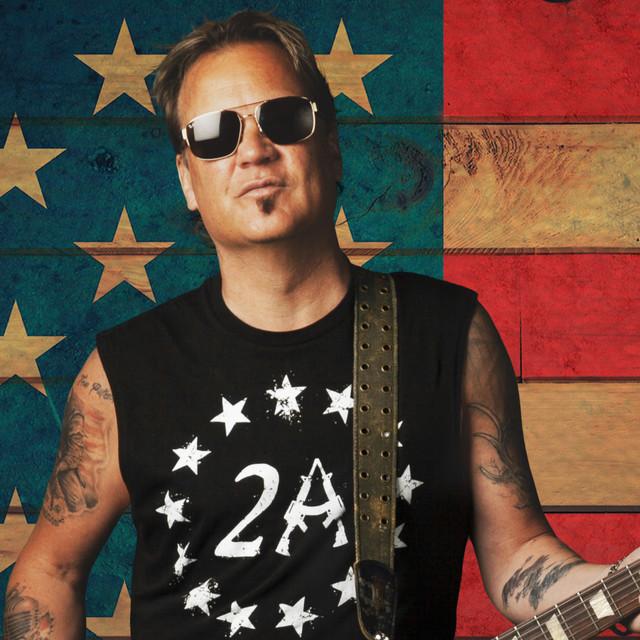
Zane Lewis

Country
Contemporary Country
Country Rock
 Viberate Rank: 482536
 Viberate Rank: 482536
 Monthly ListenersFollowers
 Subscribers
 Followers
 Followers
 FansTop Spotify Songs
| Track | 7-Day Streams | |
|---|---|---|
1 | 50 | |
2 | 39 | |
3 | 18 | |
4 | 13 | |
5 | 12 |
Top YouTube VideosMonthly ListenersFeatured in Playlists| Playlist | Followers | |
|---|---|---|
1 |  Dark Country 2025. The Devil Inside | 9.12K |
2 |  CREED #IFightFor Playlist creedmovie | 6.70K |
3 |  Trucking Sondre Eek | 4.30K |
4 | Rebel Country Matt Clapper | 1.98K |
5 | Hunting music Mikeyera1 | 1.83K |
Audience| City | Monthly Listeners | |
|---|---|---|
1 | | 12 |
2 |  | 7 |
3 |  | 7 |
4 |  | 7 |
5 | | 6 |
See full performance history, audience data, playlist activity, rankings, comparisons, and more in Viberate music analytics. Start with a free trial, then continue with a paid plan.
Zane Lewis’ Spotify BioA sixth-generation Texan, honky tonk rocker Zane Lewis was born in Lubbock, a town famed for its musicians (Buddy Holly being the most notable), and raised in Round Rock just north of Austin. His father was a fiddle player who had his own western swing band in college so Lewis grew up hearing not only the music of Bob Wills but also the music of the other artists in his father's record collection, including Willie Nelson, Waylon Jennings, and the Eagles. Later Lewis gravitated to George Strait and the southern country rock of Lynyrd Skynyrd and Charlie Daniels as well as the harder rock sounds of Van Halen and the tireless conviction of bands like U2. He began playing guitar while he was a student at Texas Tech, and while he sang constantly in private, Lewis wasn't quite ready to make the move to being a professional singer. After graduating with a degree in advertising, Lewis moved into the magazine publishing business, establishing a successful equestrian magazine called Western &… English Today, and the money he made from selling it to a larger publishing firm financed his debut 2003 album, This Town, which Lewis recorded with members of LeAnn Rimes' road band. The album was a regional hit with the title track actually grazing the bottom of the national country charts and generating some radio time. The follow-up album, the self-titled Zane Lewis, produced by Lex Lipsitz and Brett James, was released in 2008 by Slant Records. ~ Steve Leggett, Rovi
Viberate is a music analytics platform built for A&Rs, artist managers, labels, booking agents, marketers, and artists.
It helps music professionals track artist growth, analyze audience data, monitor playlist activity, compare artists, follow song performance, and identify opportunities across the music market.
Public artist pages provide a free preview of selected artist data. Paid plans provide access to deeper analytics, historical data, charts, comparisons, playlist tools, exports, alerts, reports, and additional professional features.
Yes. Public Viberate artist pages provide selected artist analytics and music data for free.
Viberate also offers a 7-day free trial of the full platform. A credit card is required to start the trial. The trial includes access to the complete product so users can test deeper artist analytics, historical views, playlist insights, comparisons, charts, exports, alerts, and reporting features before choosing a paid plan.
Viberate provides artist analytics across streaming, playlists, social media, video, radio airplay, songs, and audience markets.
Users can analyze Spotify performance, Spotify and Apple Music playlists, YouTube activity, TikTok and Instagram growth, radio spins, song performance, audience locations, demographics, rankings, and overall artist momentum.
Artist profiles also connect to music charts, similar artists, and comparison tools, helping users benchmark performance and evaluate artists in context.
Viberate updates key artist and track data daily.
For followed artists and tracks, selected data is refreshed multiple times per day. This helps teams monitor playlist changes, streaming movement, audience growth, releases, and campaign performance with more current data.
Update frequency can vary depending on the metric and data source.
Yes. Viberate lets users compare up to five artists side by side across streaming, social media, audience, and engagement metrics.
Users can compare fanbase growth, audience demographics, locations, Spotify performance, social metrics, and other artist data over selected time periods.
Artist comparison can be used for A&R scouting, benchmarking, booking decisions, campaign planning, and evaluating artists with similar audiences or market positions.