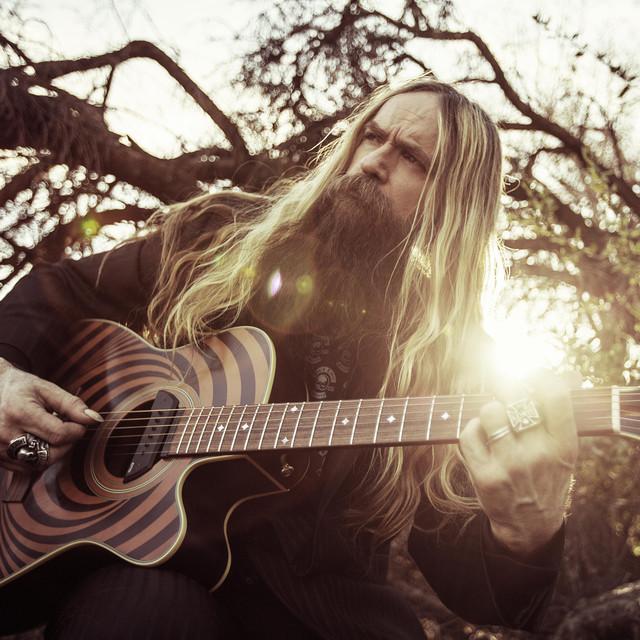
Zakk Wylde

Rock
Hard Rock
Groove Metal
 Viberate Rank: 7461
 Viberate Rank: 7461
 Monthly ListenersFollowers
 Subscribers
 Followers
 Followers
 FansTop Spotify Songs
| Track | 7-Day Streams | |
|---|---|---|
1 | 667.61K | |
2 | 126.44K | |
3 | 62.11K | |
4 | 49.85K | |
5 | 46.62K |
Top YouTube Videos| Video | 7-Day Views | |
|---|---|---|
1 | 141.05K | |
2 | 102.97K | |
3 | 52.49K | |
4 | 48.51K | |
5 | 28.96K |
Monthly ListenersFeatured in Playlists| Playlist | Followers | |
|---|---|---|
1 | Emo Music Everyone Knows カルロス・エンリケ | 234.75K |
2 |  Dads garage music AidenWojnarowski14 | 173.73K |
3 | MERICA🇺🇸🍻 Kamryn Stitz | 130.45K |
4 | 90’s & 2000’s Rock Tanner Thompson | 94.75K |
5 | Emo Songs Everyone Knows nisha | 93.82K |
Audience| City | Monthly Listeners | |
|---|---|---|
1 |  | 12.37K |
2 | | 9.93K |
3 |  | 8.19K |
4 | | 8.13K |
5 | | 7.84K |
See full performance history, audience data, playlist activity, rankings, comparisons, and more in Viberate music analytics. Start with a free trial, then continue with a paid plan.
Zakk Wylde’s Spotify BioZakk Wylde is a globally celebrated hard rock/heavy metal guitarist, songwriter, and producer. His professional reputation was established with Ozzy Osbourne between 1988 and 1995. Since then, he has led and recorded with the heavy metal band Black Label Society and released two largely acoustic, critically acclaimed solo albums. His original pentatonic, pinched blues shredding technique, deeply rooted in vintage Southern rock, Peter Green's influence, '70s hard rock, and classic metal have influenced a generation of guitarists. Wylde's signature guitar is a Les Paul Custom painted with a bullseye. He calls it "The Grail.
Wylde was born and raised in New Jersey. He began studying guitar at age eight but soon quit, practicing obsessively on his own. He didn't return to formal lessons until his mid-teens, then formed his first band, Stone Henge, in 1984, and played with several others along the Jersey Shore.
In 1987, Wylde sent Osbourne a demo tape. He was hired after a single audition.… The guitarist made his recorded debut a year later on No Rest for the Wicked. The album went double platinum. He remained with Ozzy through 1995's Ozzmosis (that also featured Black Sabbath bassist Geezer Butler). A year earlier, Wylde had formed the power trio Pride & Glory. After releasing a self-titled album in 1995, the group disbanded, and Wylde (after considering membership in Guns N' Roses) mounted a solo career with the release of the now-classic, acoustically based Book of Shadows in 1996.
In 1998, he and drummer Phil Ondich recorded Sonic Brew as Black Label Society in 1998 for the Japanese Spitfire label. It was released internationally in the spring of 1999. They recruited a full band with second guitarist Nick Catanese and bassist John DeServio, but the lineup was not stable. Robert Trujillo would serve as the band's bassist for a time before leaving to join Metallica (DeServio returned). Ondich left after the band's second album, Stronger Than Death, in 2000 and was replaced by Craig Nunenmacher.
Wylde returned to Ozzy's band in 2001 while continuing his work with Black Label Society. The guitarist played on Osbourne's Down to Earth that year and toured with him for the following year's Live at Budokan. Wylde also toured with BLS in 2001, resulting in the concert set Alcohol Fueled Brewtality + 5; in 2002, they delivered the studio album1919 Eternal.
Wylde's work with Black Label Society was clearly his priority. Between 2003 and 2006, he was named Most Valuable Guitarist in Guitar World's readers' poll based on both the band's studio and live performances in that time. BLS released four more albums -- The Blessed Hellride, Hangover Music Vol. VI, Mafia, and Shot to Hell (the latter was the last to feature Catanese and Nunenmacher) -- between 2003 and 2006, when the guitarist returned to studio work with Osbourne. He played on 2007's Black Rain and toured with him through 2009. The BLS compilation Skullage was released as well. Wylde was hospitalized and treated for blood clots in 2010. He subsequently stopped drinking.
He re-entered the studio with BLS. Order of the Black, featuring new drummer Will Hunt, was issued through E1 in 2011.
Wylde made an appearance on that year's American Idol, playing guitar behind singer James Durbin on a rendition of Sammy Hagar's "Heavy Metal." During a BLS tour with Guns N' Roses, he regularly joined GNR on-stage to cover AC/DC's "Whole Lotta Rosie." As a sideline, he entered into a partnership with Blair's Sauces and Snacks to produce "Berserker" Hot Sauce.
In 2013, BLS issued the two-disc, unplugged live recording Unblackened. It offered live versions of songs from their catalog as well as several new studio tracks. Among the notable entries were covers of Bill Withers' "Ain't No Sunshine (When She's Gone)" and Leon Russell's "A Song for You." In the fall, Wylde partnered with the Death Wish Coffee Company to market his own brew, Valhalla Java Odinforce Blend. It is one of the few dark roast coffees that contain more caffeine that lighter brews.
By the time BLS recorded again, Hunt had been replaced by drummer Chad Szeliga. The resultant album, Catacombs of the Black Vatican, was released in 2014.
After touring, Wylde hunkered down in his home studio to complete writing and recording the sequel to Book of Shadows. Book of Shadows II followed in spring 2016, 27 years after its predecessor. It featured 15 deeply personal songs using an acoustic driven framework. ~ Thom Jurek, Rovi
Viberate is a music analytics platform built for A&Rs, artist managers, labels, booking agents, marketers, and artists.
It helps music professionals track artist growth, analyze audience data, monitor playlist activity, compare artists, follow song performance, and identify opportunities across the music market.
Public artist pages provide a free preview of selected artist data. Paid plans provide access to deeper analytics, historical data, charts, comparisons, playlist tools, exports, alerts, reports, and additional professional features.
Yes. Public Viberate artist pages provide selected artist analytics and music data for free.
Viberate also offers a 7-day free trial of the full platform. A credit card is required to start the trial. The trial includes access to the complete product so users can test deeper artist analytics, historical views, playlist insights, comparisons, charts, exports, alerts, and reporting features before choosing a paid plan.
Viberate provides artist analytics across streaming, playlists, social media, video, radio airplay, songs, and audience markets.
Users can analyze Spotify performance, Spotify and Apple Music playlists, YouTube activity, TikTok and Instagram growth, radio spins, song performance, audience locations, demographics, rankings, and overall artist momentum.
Artist profiles also connect to music charts, similar artists, and comparison tools, helping users benchmark performance and evaluate artists in context.
Viberate updates key artist and track data daily.
For followed artists and tracks, selected data is refreshed multiple times per day. This helps teams monitor playlist changes, streaming movement, audience growth, releases, and campaign performance with more current data.
Update frequency can vary depending on the metric and data source.
Yes. Viberate lets users compare up to five artists side by side across streaming, social media, audience, and engagement metrics.
Users can compare fanbase growth, audience demographics, locations, Spotify performance, social metrics, and other artist data over selected time periods.
Artist comparison can be used for A&R scouting, benchmarking, booking decisions, campaign planning, and evaluating artists with similar audiences or market positions.