Zack Mexico

Rock
Indie Rock
Space Rock
 Viberate Rank: 348803
 Viberate Rank: 348803
 Monthly ListenersFollowers
 Subscribers
 Followers
 Followers
 FansTop Spotify Songs
| Track | 7-Day Streams | |
|---|---|---|
1 | 742 | |
2 | 74 | |
3 | 46 | |
4 | 41 | |
5 | 31 |
Top YouTube VideosMonthly ListenersFeatured in Playlists| Playlist | Followers | |
|---|---|---|
1 | space rock & psychedelia Edson Alejandro Adame | 8.05K |
2 |  Songs To Drive To Future Islands | 6.95K |
3 |  You Can Dance If You Want To Nathan Reston | 5.30K |
4 | surf rock/garage/alt/indie/punk/lofi Ricky Rietjens | 4.42K |
5 |  You're Gonna Need a Lot of Music YARDACT | 3.63K |
Audience| City | Monthly Listeners | |
|---|---|---|
1 | | 57 |
2 | | 46 |
3 | | 40 |
4 | | 39 |
5 | | 35 |
See full performance history, audience data, playlist activity, rankings, comparisons, and more in Viberate music analytics. Start with a free trial, then continue with a paid plan.
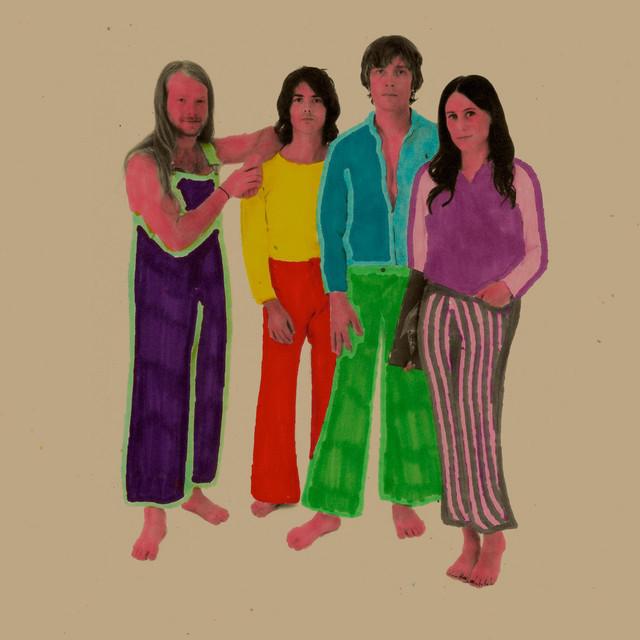
Zack Mexico’s Spotify BioZack Mexico is a ferocious Psychedelic POP /Indie Rock band whose original songs are a collaboration of the technical prowess of multi-instrumentalist band members and their visceral love affair with creating music.
In 2011 the North Carolina based Experimental Rock band Zack Mexico was formed in Kill Devil Hills by John Saturley, Jamie Brumbeloe, Joey LaFountaine and TJ Harrington.
Sharing common interests and their passion for creating music; Matt Wentz joined Zack Mexico in 2012, and then Josh Martier and Stephen Brown in 2014.
With two outstanding drummers, Joey LaFountaine and Josh Martier, Zack Mexico emerge from a slim and moving line of sand in the open Atlantic proving they are a force that can make some noise.
Viberate is a music analytics platform built for A&Rs, artist managers, labels, booking agents, marketers, and artists.
It helps music professionals track artist growth, analyze audience data, monitor playlist activity, compare artists, follow song performance, and identify opportunities across the music market.
Public artist pages provide a free preview of selected artist data. Paid plans provide access to deeper analytics, historical data, charts, comparisons, playlist tools, exports, alerts, reports, and additional professional features.
Yes. Public Viberate artist pages provide selected artist analytics and music data for free.
Viberate also offers a 7-day free trial of the full platform. A credit card is required to start the trial. The trial includes access to the complete product so users can test deeper artist analytics, historical views, playlist insights, comparisons, charts, exports, alerts, and reporting features before choosing a paid plan.
Viberate provides artist analytics across streaming, playlists, social media, video, radio airplay, songs, and audience markets.
Users can analyze Spotify performance, Spotify and Apple Music playlists, YouTube activity, TikTok and Instagram growth, radio spins, song performance, audience locations, demographics, rankings, and overall artist momentum.
Artist profiles also connect to music charts, similar artists, and comparison tools, helping users benchmark performance and evaluate artists in context.
Viberate updates key artist and track data daily.
For followed artists and tracks, selected data is refreshed multiple times per day. This helps teams monitor playlist changes, streaming movement, audience growth, releases, and campaign performance with more current data.
Update frequency can vary depending on the metric and data source.
Yes. Viberate lets users compare up to five artists side by side across streaming, social media, audience, and engagement metrics.
Users can compare fanbase growth, audience demographics, locations, Spotify performance, social metrics, and other artist data over selected time periods.
Artist comparison can be used for A&R scouting, benchmarking, booking decisions, campaign planning, and evaluating artists with similar audiences or market positions.