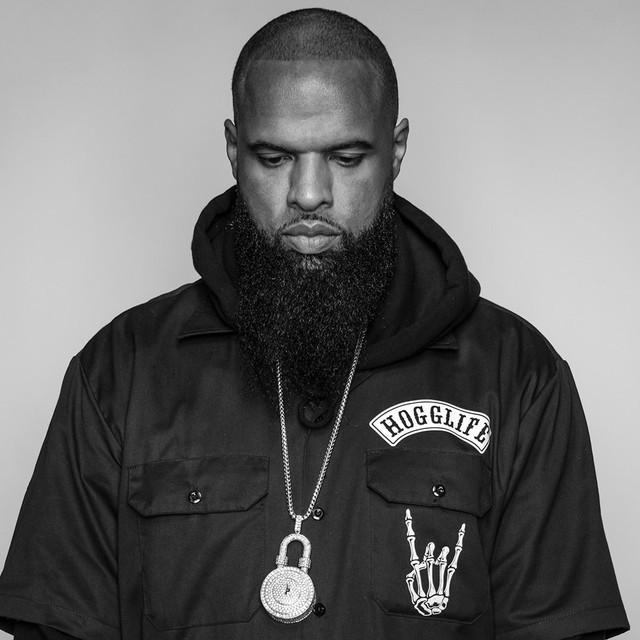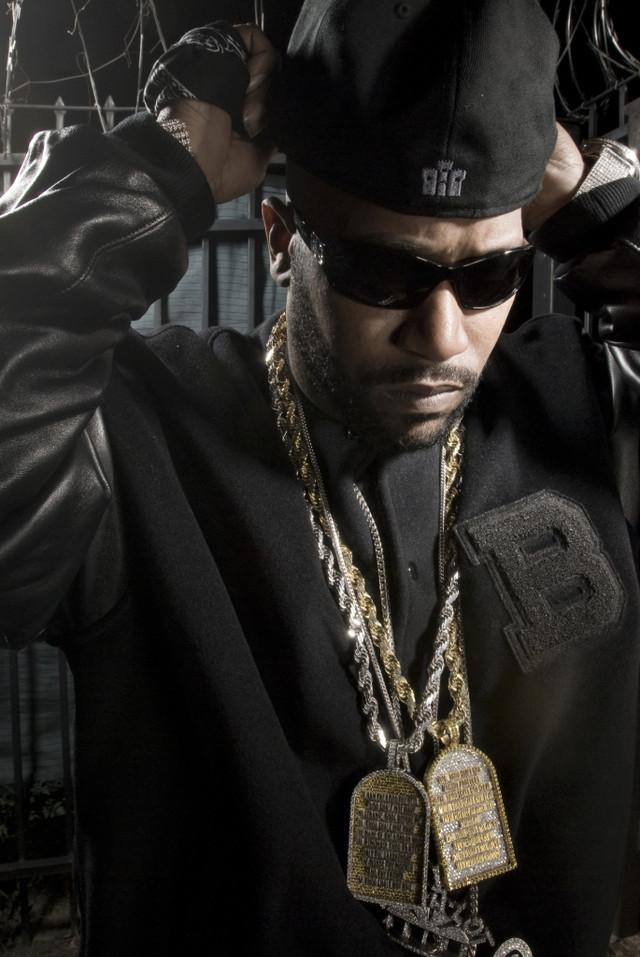
Z-Ro

Hip Hop
Contemporary Hip Hop
 Viberate Rank: 15469
 Viberate Rank: 15469
 Monthly ListenersFollowers
 Subscribers
 Followers
 Followers
 FansTop Spotify Songs
| Track | 7-Day Streams | |
|---|---|---|
1 | 85.61K | |
2 | 79.61K | |
3 | 39.72K | |
4 | 36.46K | |
5 | 32.85K |
Top YouTube Videos| Video | 7-Day Views | |
|---|---|---|
1 | 21.36K | |
2 | 16.81K | |
3 | 16.47K | |
4 | 14.12K | |
5 | 12.12K |
Monthly ListenersFeatured in Playlists| Playlist | Followers | |
|---|---|---|
1 |  Gym Motivation 💪🏼 Old School 80s - 2026 🏛️ Beast Mode Music | 181.75K |
2 |  WORK OUT PLAYLIST 2026 Swilson Playlists | 127.83K |
3 |  Green Room Joe Rogan | 123.81K |
4 | Mat Young | 67.69K |
5 |  PRA TREINAR PUTO Cesar Campos | 62.54K |
Audience| City | Monthly Listeners | |
|---|---|---|
1 | | 109.15K |
2 | | 74.36K |
3 | | 53.27K |
4 | | 52.15K |
5 | | 31.18K |
See full performance history, audience data, playlist activity, rankings, comparisons, and more in Viberate music analytics. Start with a free trial, then continue with a paid plan.
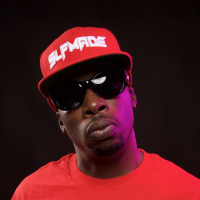
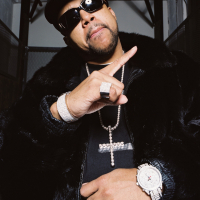
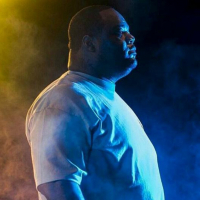
Z-Ro’s Spotify BioA prolific Houston rapper with a baritone voice that is both smooth and menacing, Z-Ro merges hip-hop and R&B with explicitly honest tales of street life, relationships, and love. He debuted in the late '90s and first charted with his second album, Z-Ro vs. the World (2000), leading to a long-term affiliation with Rap-A-Lot Records. While signed to the globally recognized Houston label, Z-Ro hit the Billboard 200 with nine albums, starting with The Life of Joseph W. McVey (2004) and including his five-volume "drug series" introduced with Crack (2008) and concluded with Angel Dust (2012). Z-Ro went on to launch 1 Deep Entertainment, the outlet for all of his output since then. Drankin' & Drivin' (2016), No Love Boulevard (2017), and The Ghetto Gospel (2024) are among the full-length highlights of his independent phase. Z-Ro has hit the R&B/hip-hop singles chart several times, as both a featured artist (Bun B's "Get Throwed," Slim Thug's "Gangsta") and lead artist (including "Top Notch"… and "Never [These Days]"). He's also known as the Mo City Don, named in reference to the Missouri city where he was raised.
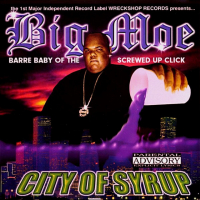
Born Joseph Wayne McVey, Z-Ro -- who moved from his birthplace of Houston to nearby Missouri City as a youngster -- grew up with equal parts inspiration from hardcore rappers like the Geto Boys and 2Pac and soulful crooners like Sam Cooke and Babyface. Z-Ro got his start with the Screwed Up Click, a crew of Houston rappers led by the late DJ Screw. He made his solo debut in 1998 with Look What You Did to Me, following it with an album release almost every year for nearly two decades. He signed with Rap-A-Lot during this period and made his label debut in 2004 with his eighth LP, The Life of Joseph W. McVey. The following year, he issued Let the Truth Be Told, which featured Juvenile, Ashanti, and frequent guest Paul Wall. The album peaked on the Billboard 200 at number 69. His "drug series" -- Crack, Cocaine, Heroin, Meth, and Angel Dust -- spanned the 2008 to 2012 period. Crack was his highest-charting album to date -- it reached number 48 -- and contained the number 62 R&B/hip-hop single "Top Notch," a collaboration with Pimp C.
Z-Ro went independent after the 2014 release of The Crown. Drankin' & Drivin', issued two years later on his 1 Deep Entertainment label, peaked in the Top Ten of the R&B/hip-hop chart and cracked the upper half of the Billboard 200. Legendary followed before the end of the year. In 2017, after the release of his 21st album, No Love Boulevard, he announced his retirement. That didn't last long, however, as he quickly followed with album 22, Codeine. The return proved to be neither tentative nor short-lived, as his rate of output remained high with albums such as Sadism, Rohammad Ali, and Pressure all issued within a few years. In 2024, he reaffirmed his role as a preacher for the streets with The Ghetto Gospel, one of his smoothest works, featuring appearances from longtime peer Mike D, Paul Wall, Lil' Keke, and Mýa. ~ TiVo Staff, Rovi
Viberate is a music analytics platform built for A&Rs, artist managers, labels, booking agents, marketers, and artists.
It helps music professionals track artist growth, analyze audience data, monitor playlist activity, compare artists, follow song performance, and identify opportunities across the music market.
Public artist pages provide a free preview of selected artist data. Paid plans provide access to deeper analytics, historical data, charts, comparisons, playlist tools, exports, alerts, reports, and additional professional features.
Yes. Public Viberate artist pages provide selected artist analytics and music data for free.
Viberate also offers a 7-day free trial of the full platform. A credit card is required to start the trial. The trial includes access to the complete product so users can test deeper artist analytics, historical views, playlist insights, comparisons, charts, exports, alerts, and reporting features before choosing a paid plan.
Viberate provides artist analytics across streaming, playlists, social media, video, radio airplay, songs, and audience markets.
Users can analyze Spotify performance, Spotify and Apple Music playlists, YouTube activity, TikTok and Instagram growth, radio spins, song performance, audience locations, demographics, rankings, and overall artist momentum.
Artist profiles also connect to music charts, similar artists, and comparison tools, helping users benchmark performance and evaluate artists in context.
Viberate updates key artist and track data daily.
For followed artists and tracks, selected data is refreshed multiple times per day. This helps teams monitor playlist changes, streaming movement, audience growth, releases, and campaign performance with more current data.
Update frequency can vary depending on the metric and data source.
Yes. Viberate lets users compare up to five artists side by side across streaming, social media, audience, and engagement metrics.
Users can compare fanbase growth, audience demographics, locations, Spotify performance, social metrics, and other artist data over selected time periods.
Artist comparison can be used for A&R scouting, benchmarking, booking decisions, campaign planning, and evaluating artists with similar audiences or market positions.