YUP

Punk
Punk Rock
Alternative Rock
 Viberate Rank: 266637
 Viberate Rank: 266637
 Monthly ListenersFollowers
 Subscribers
 Followers
 Followers
 FansTop Spotify Songs
| Track | 7-Day Streams | |
|---|---|---|
1 | 3.12K | |
2 | 1.69K | |
3 | 1.15K | |
4 | 991 | |
5 | 931 |
Top YouTube VideosMonthly ListenersFeatured in Playlists| Playlist | Followers | |
|---|---|---|
1 |  Parhaat suomihitit 90-luvulta Spotify | 25.48K |
2 |  OLVARin parhaat by Pelaajat.com Arttu Hämäläinen | 9.16K |
3 |  KAIKKIEN AIKOJEN BÄNGERIT @LAURIKAIVOLUOTO Lauri Kaivoluoto | 5.33K |
4 | Iskelmää ja parhaita kotimaisia Jere Laakso | 5.28K |
5 | Radio Rockin 1000 kaikkien aikojen kovinta rock-biisiä Teemu Nätkinniemi | 3.31K |
Audience| City | Monthly Listeners | |
|---|---|---|
1 | | 5.07K |
2 | | 989 |
3 | | 732 |
4 | | 356 |
5 | | 353 |
See full performance history, audience data, playlist activity, rankings, comparisons, and more in Viberate music analytics. Start with a free trial, then continue with a paid plan.
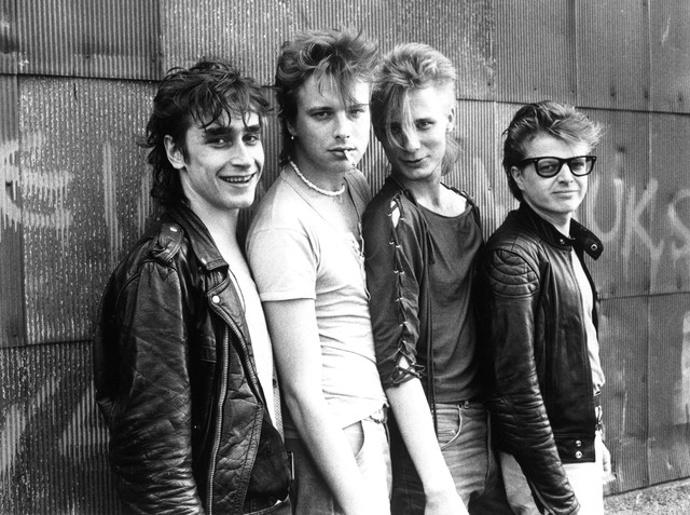
YUP’s Spotify BioRecovering from '80s punk wave in Finland, there spawned two very complex but innovative rock groups, CMX and YUP. Although YUP was founded in the late '80s, a later version of YUP dates to the early '90s. This young but creative trio (consisting of vocalist/guitarist Jarkko Martikainen, bassist Valtteri Tynkkynen, and drummer Jussi Hyyrynen) formed YUP against their art school's jazz bands. Very soon they created their own progressive style to combine all forms of rock and later YUP's first independent LP in Finnish, Huuda Harkiten, with their new keyboard player Tommi Kärkkäinen, was released creating both interest and hatred among the tight Finnish rock subculture.
On 1993's Toppatakkeja ja Toledon Terästä, YUP's punk rock was still quite progressive, though the complete sound wasn't so rough anymore. The band's new lineup with drummer Janne Mannonen and guitarist Jussi Hyyrynen (who had formerly played drums) raised YUP's playing to a whole new level and its old jamming sound was… disappearing. Also, the band's small success on the Finnish charts showed that it was time to move on to a bigger recording label.
At that point, keyboardist Tommi Kärkkäinen left YUP due to artistic differences with other bandmembers. The band then recruited Petri Tiainen to play keyboards -- an old friend from art school. And so, in 1994, they released Homo Sapiens, which was more sophisticated compared to their two earlier recordings. Martikainen's lyrics achieved a more political and argumentative level and the band slowed down its progressive speed from Toppatakkeja ja Toledon Terästä.
The years 1995 through 1998 were a time of change for YUP. 1996's album Yövieraat and 1998's Outo Elämä were totally different from Homo Sapiens and especially from Toppatakkeja ja Toledon Terästä. While Homo Sapiens and Toppatakkeja were fast and musically rich, Yövieraat and Outo Elämä achieved popularity, in both an artistic and commercial sense. Outo Elämä was a commercial success, but old fans were not happy.
YUP's sixth album, Normaalien Maihinnousu, was a total success in every way. One reason may have been their new producer, Riku Mattila, who was a very important figure in Finnish rock music during the '80s. In addition, Maihinnousu's first single, "Meitä Odotellaan Mullan Alla," was a simple but really catchy song, and garnered YUP a larger pop music audience. Normaalien Maihinnousu was YUP's first LP to go to number one on the Finnish album charts, and the band were also lauded in magazines such as Soundi and Rumba in both music critic and audience polls.
YUP came to a point of making compromises. Their veteran fans had constantly demanded new progressive rock records, but Martikainen maintained that they wanted to change as they saw fit. But despite this statement, YUP released their eagerly awaited new album, Lauluja Metsästä, in 2001. Hence the name "Songs From the Wood", on which YUP finally addressed the public's claims that the band were the "Jethro Tull of Finland." Musically, YUP mixed lots of new, some old, and a little bit of really old material. Thus Lauluja Metsästä is listenable for both new and old fans. It proved to be an even bigger commercial success than Normaalien Maihinnousu -- Lauluja Metsästä remained at number one on the album chart for a long time. ~ Antti J. Ravelin, Rovi
Viberate is a music analytics platform built for A&Rs, artist managers, labels, booking agents, marketers, and artists.
It helps music professionals track artist growth, analyze audience data, monitor playlist activity, compare artists, follow song performance, and identify opportunities across the music market.
Public artist pages provide a free preview of selected artist data. Paid plans provide access to deeper analytics, historical data, charts, comparisons, playlist tools, exports, alerts, reports, and additional professional features.
Yes. Public Viberate artist pages provide selected artist analytics and music data for free.
Viberate also offers a 7-day free trial of the full platform. A credit card is required to start the trial. The trial includes access to the complete product so users can test deeper artist analytics, historical views, playlist insights, comparisons, charts, exports, alerts, and reporting features before choosing a paid plan.
Viberate provides artist analytics across streaming, playlists, social media, video, radio airplay, songs, and audience markets.
Users can analyze Spotify performance, Spotify and Apple Music playlists, YouTube activity, TikTok and Instagram growth, radio spins, song performance, audience locations, demographics, rankings, and overall artist momentum.
Artist profiles also connect to music charts, similar artists, and comparison tools, helping users benchmark performance and evaluate artists in context.
Viberate updates key artist and track data daily.
For followed artists and tracks, selected data is refreshed multiple times per day. This helps teams monitor playlist changes, streaming movement, audience growth, releases, and campaign performance with more current data.
Update frequency can vary depending on the metric and data source.
Yes. Viberate lets users compare up to five artists side by side across streaming, social media, audience, and engagement metrics.
Users can compare fanbase growth, audience demographics, locations, Spotify performance, social metrics, and other artist data over selected time periods.
Artist comparison can be used for A&R scouting, benchmarking, booking decisions, campaign planning, and evaluating artists with similar audiences or market positions.